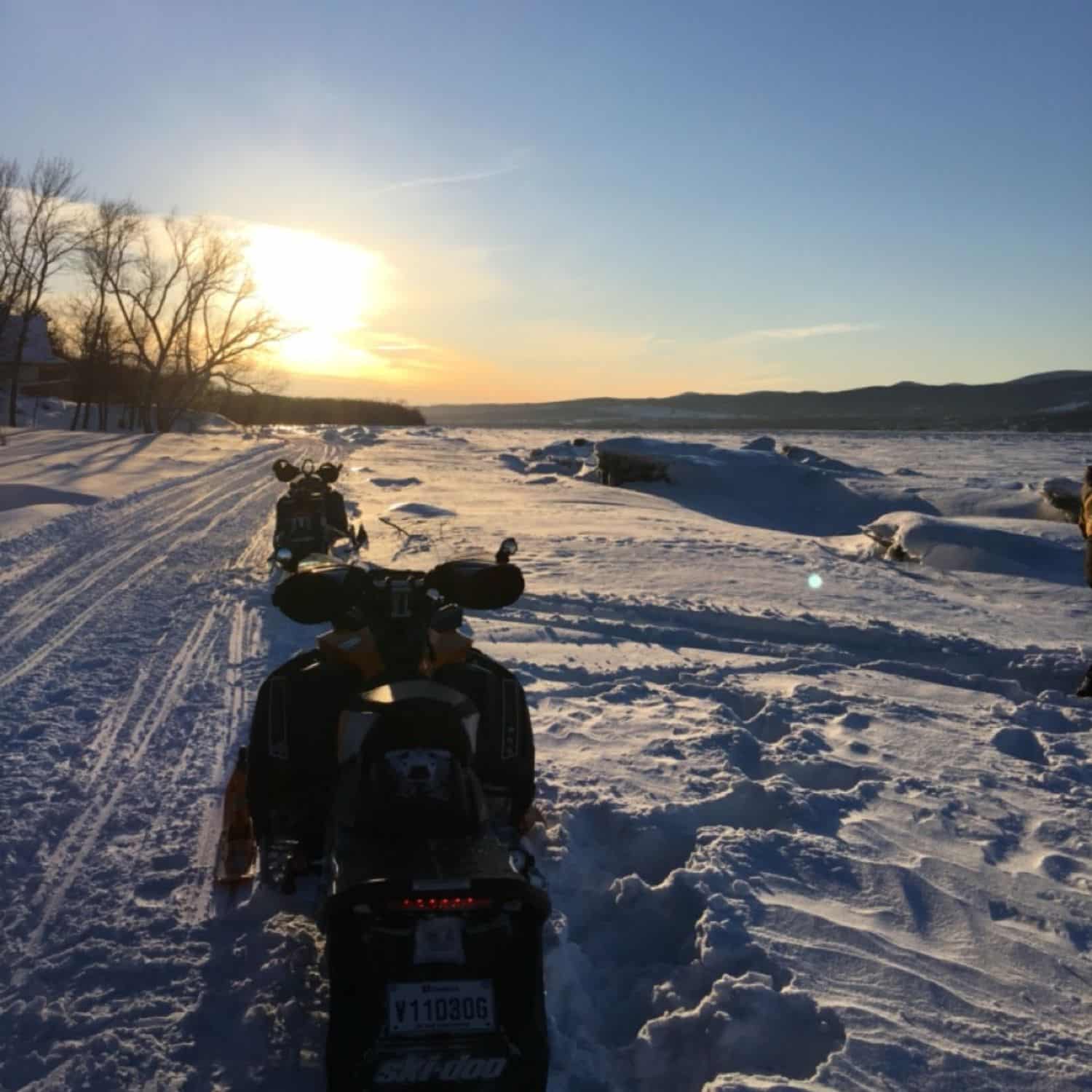
Snowmobiling is an integral part of Canada’s winter identity. Much more than just a motorized leisure activity, it represents a cultural heritage, a regional economic driver, and a powerful social bond. Today, the next generation is well represented: young people are increasingly interested in snowmobiling and are actively contributing to ensuring the sustainability of this passion.
Contrary to some perceptions, young people are not abandoning the snowy trails; they are rediscovering them, adapting them, and breathing new life into them.
An initial approach that is often family-based
For most young snowmobilers, their introduction to the sport comes through their families.
From an early age, many accompany their parents or grandparents on rides, learning the basics of driving, trail etiquette, and safety. This intergenerational transmission is one of the pillars of snowmobiling in Canada. It allows them to share a common passion and pass on essential values such as caution, patience, and respect for the environment.
Snowmobiling thus becomes a special time for family gatherings. Stops at lodges, breaks to admire the scenery, and conversations over a hot meal are an integral part of the experience. For young people, these memories create a strong emotional attachment to this winter sport, which goes far beyond the simple notion of performance or speed.
The appeal of adventure and freedom
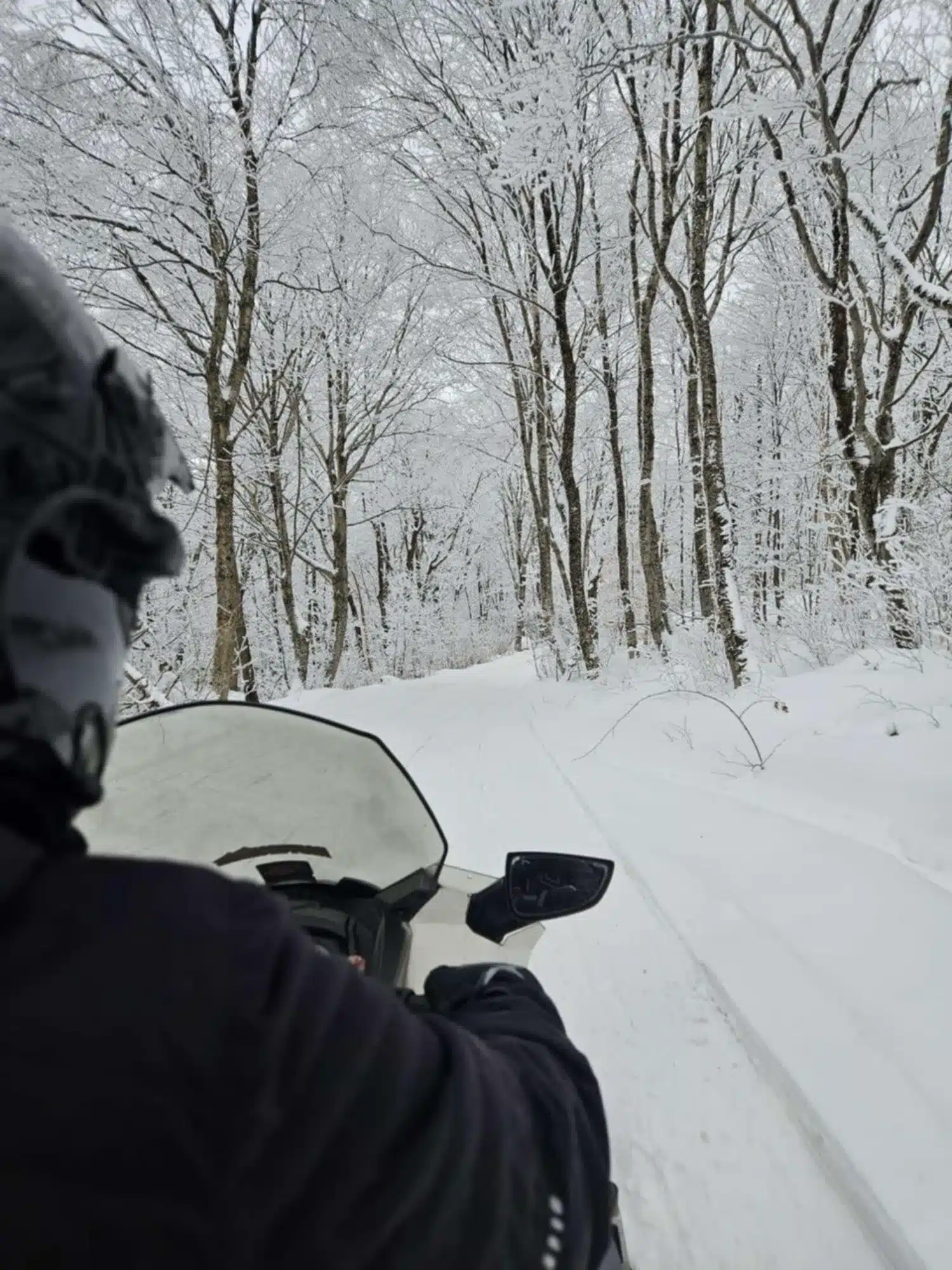
What particularly appeals to young people is the feeling of freedom that snowmobiling provides. Traveling miles of snow-covered trails, exploring areas that are sometimes inaccessible by other means, and feeling the adrenaline rush of riding in winter are all elements that satisfy their desire for adventure. Snowmobiling allows them to escape from everyday life, disconnect from screens, and enjoy an immersive experience in the great outdoors.
Unlike some highly structured sports activities, snowmobiling offers a sense of autonomy while requiring a high level of responsibility. Young people quickly learn to read the terrain, adapt their driving to weather conditions, and respect other trail users. These lessons contribute to the development of maturity and a sense of responsibility.
Mountain snowmobiling: a challenge that also appeals to the next generation
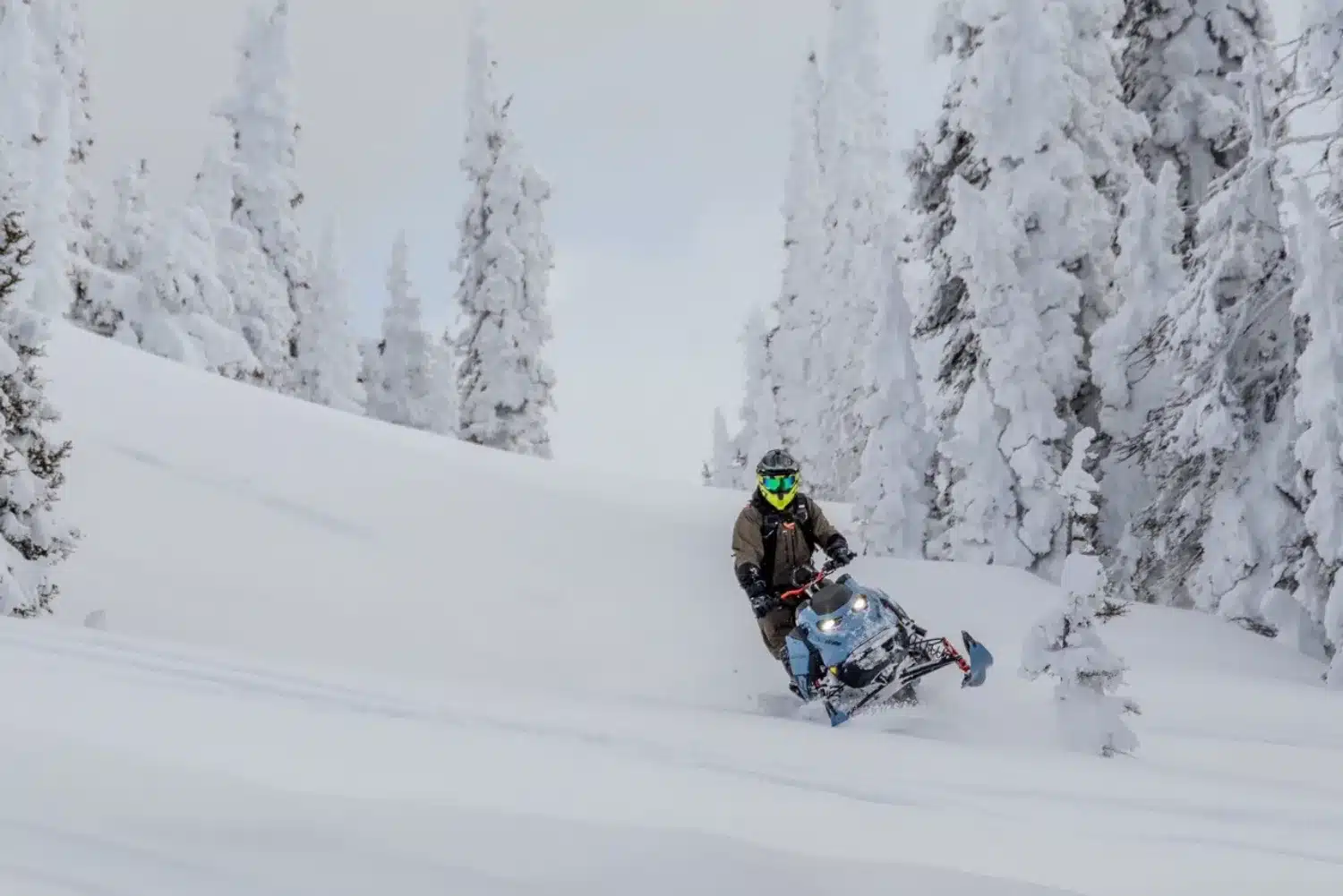
In recent years, mountain snowmobiling has attracted a growing number of young enthusiasts. This discipline, which focuses on deep snow, steep slopes, and rough terrain, is a natural progression for those seeking new challenges. It emphasizes technique, physical fitness, and reading the terrain rather than speed.
Mountain snowmobiling requires advanced mastery of the machine. Young people develop specific skills, such as body weight management, control, and anticipating the snowmobile’s reactions. This practice also promotes team spirit, as outings are rarely done alone. Mutual assistance and communication are essential, especially in more isolated environments.
Safety is paramount. Young people are increasingly aware of the importance of specialized training, appropriate equipment, and knowledge of risks, particularly avalanches. This responsible approach helps to promote a more mature and structured image of mountain snowmobiling, far from the clichés.
Safety at the heart of priorities
The issue of safety is central when it comes to young people and snowmobiling. Mandatory training for those under 16, wearing protective equipment, respecting speed limits, and knowledge of regulations are essential elements in ensuring responsible practice.
A well-maintained snowmobile, an appropriate helmet, and driving adapted to the conditions are an integral part of snowmobiling culture. By focusing on education rather than repression, the community promotes a new generation that is aware of the risks and respectful of the rules. Present in all regions, snowmobile clubs also offer structured supervision that promotes safe and respectful practice. These organizations also help raise awareness among young people about environmental issues, trail maintenance, coexistence with landowners, and protection of natural environments.
A powerful vehicle for socialization

Snowmobiling also plays an important role in the socialization of young people. Outings with friends, organized rides, and local events help forge strong bonds around a shared passion. In many regions, snowmobiling has become a winter gathering place, helping to break isolation and strengthen a sense of community.
For some young people living in rural areas, snowmobiling is also a way to get around and stay active during the winter. This social dimension is often underestimated, but it plays a key role in the enduring appeal of snowmobiling among young people.
A contribution to the regional economy
Young people’s involvement in snowmobiling also has positive economic benefits. By frequenting trails, relay stations, restaurants, and lodgings, they contribute to the vitality of the regions. Young snowmobilers become savvy consumers of equipment, specialized clothing, and services, thereby contributing to the vitality of the industry.
Snowmobiling and modernity
Contrary to the idea that young people are abandoning traditional activities, snowmobiling is adapting to new realities. Social media, onboard technologies, and innovations in equipment are attracting a younger, more curious, and more connected clientele. Young snowmobilers share their experiences, appreciate winter landscapes, and help promote a positive and responsible image of the sport. This modernity also raises awareness of safety and environmental issues through communication tools tailored to young people. Snowmobiling is evolving, and young people are major players in this evolution.
Conclusion: Snowmobiling has a future for the new generation
Snowmobiling continues to rally young people around the values of passion, freedom, and responsibility. Supported by their families and clubs, the next generation is helping to modernize this activity while respecting its foundations. Whether on trails or in the mountains, young snowmobilers are ensuring the continuity of a well-established winter tradition that is looking toward the future.