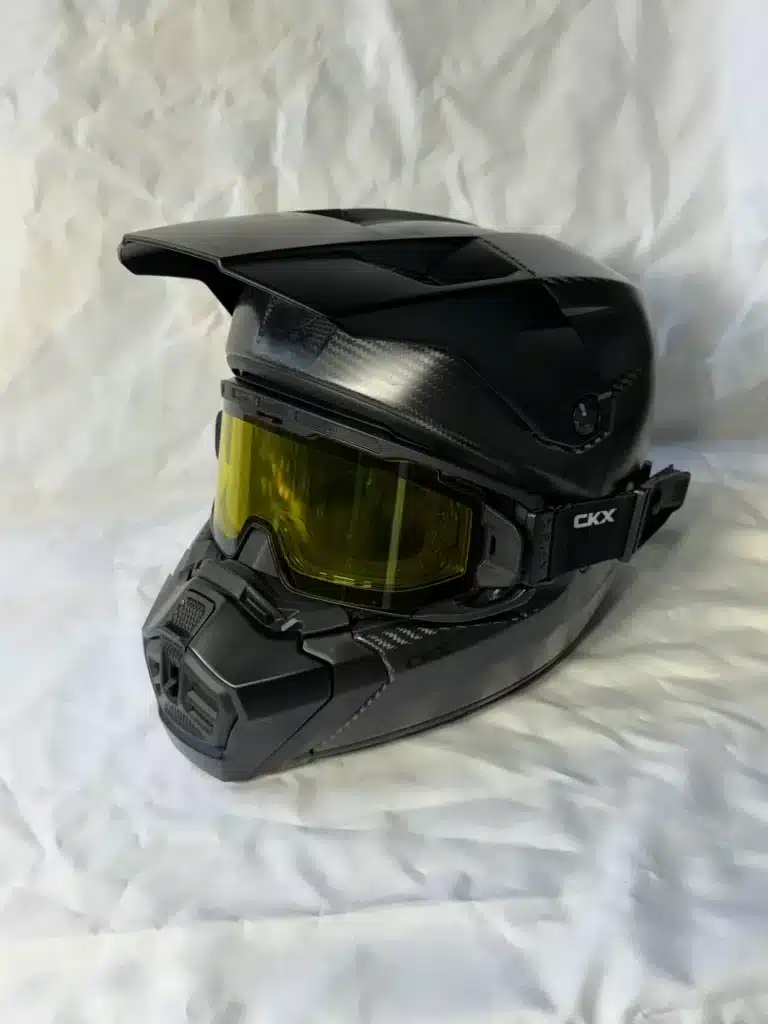
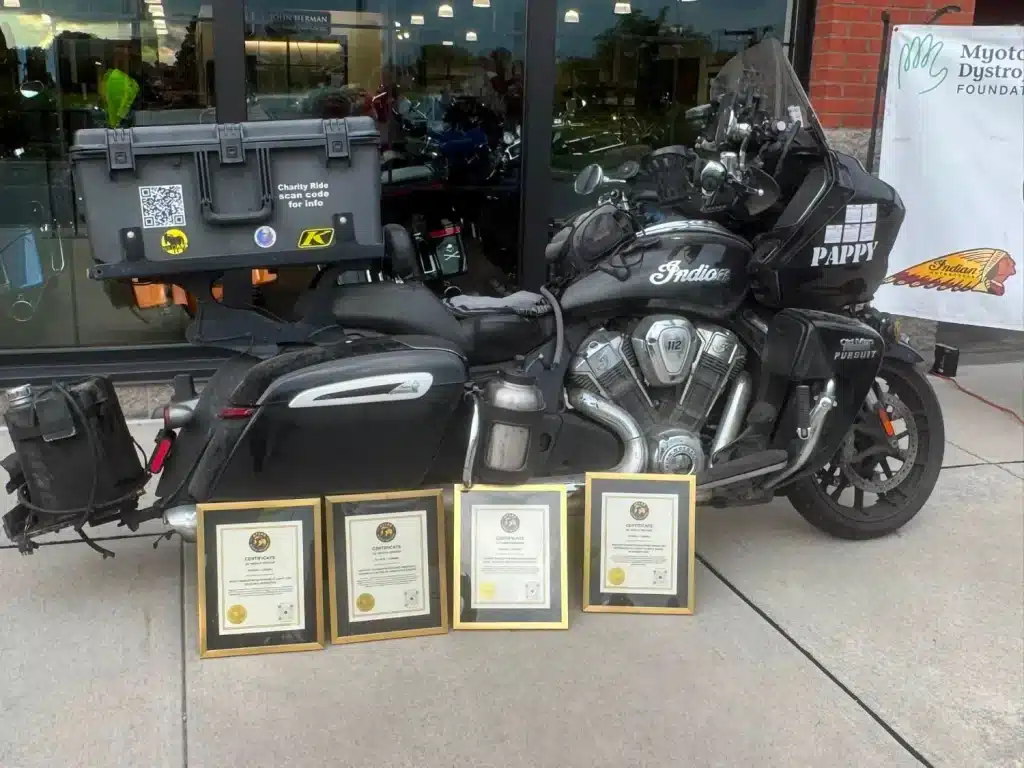
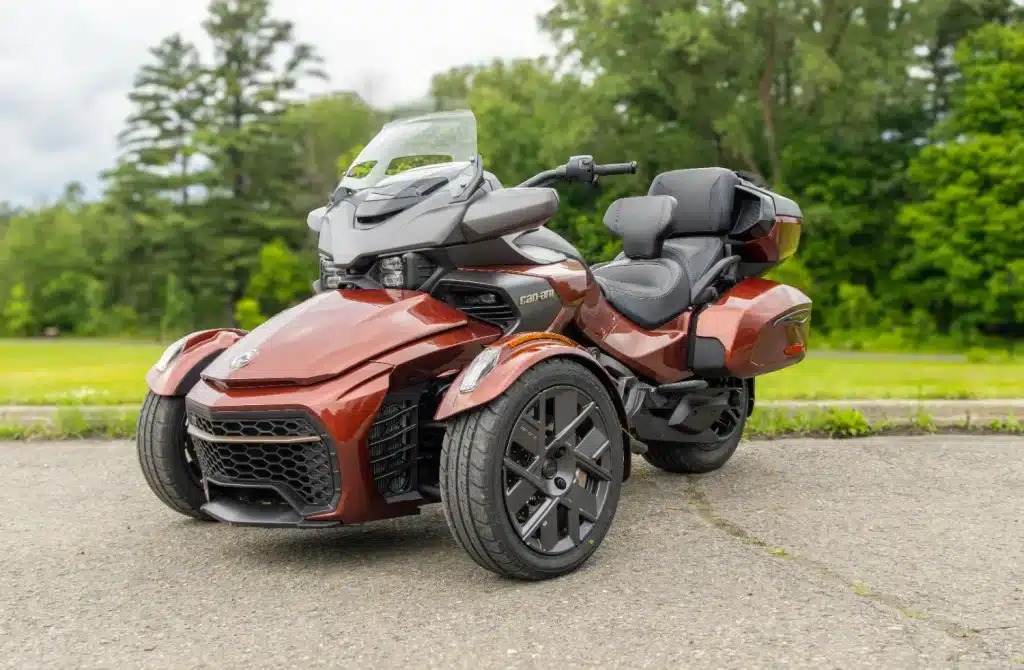
The first question to ask is: why do so many motorcyclists modify their bikes without actually improving their riding?
During training sessions, I too often notice that many motorcyclists modify their bikes (seat, handlebars, footpegs) thinking only of comfort. Yet, even if comfort is sometimes improved, the bike’s control and handling are often compromised.
That’s why I constantly repeat: it’s essential to understand your bike before you even start changing parts.
When we buy a motorcycle, our first interaction with it is often limited to sitting on it in the showroom. Our assessment is therefore entirely static. Before long, we’re already thinking about installing handlebar risers or lowering the suspension. Yet, at this stage, these modifications only address a perceived need for comfort.
Without even having turned the wheels, we’re already altering the behavior of a motorcycle designed by engineers to function optimally in its original configuration.
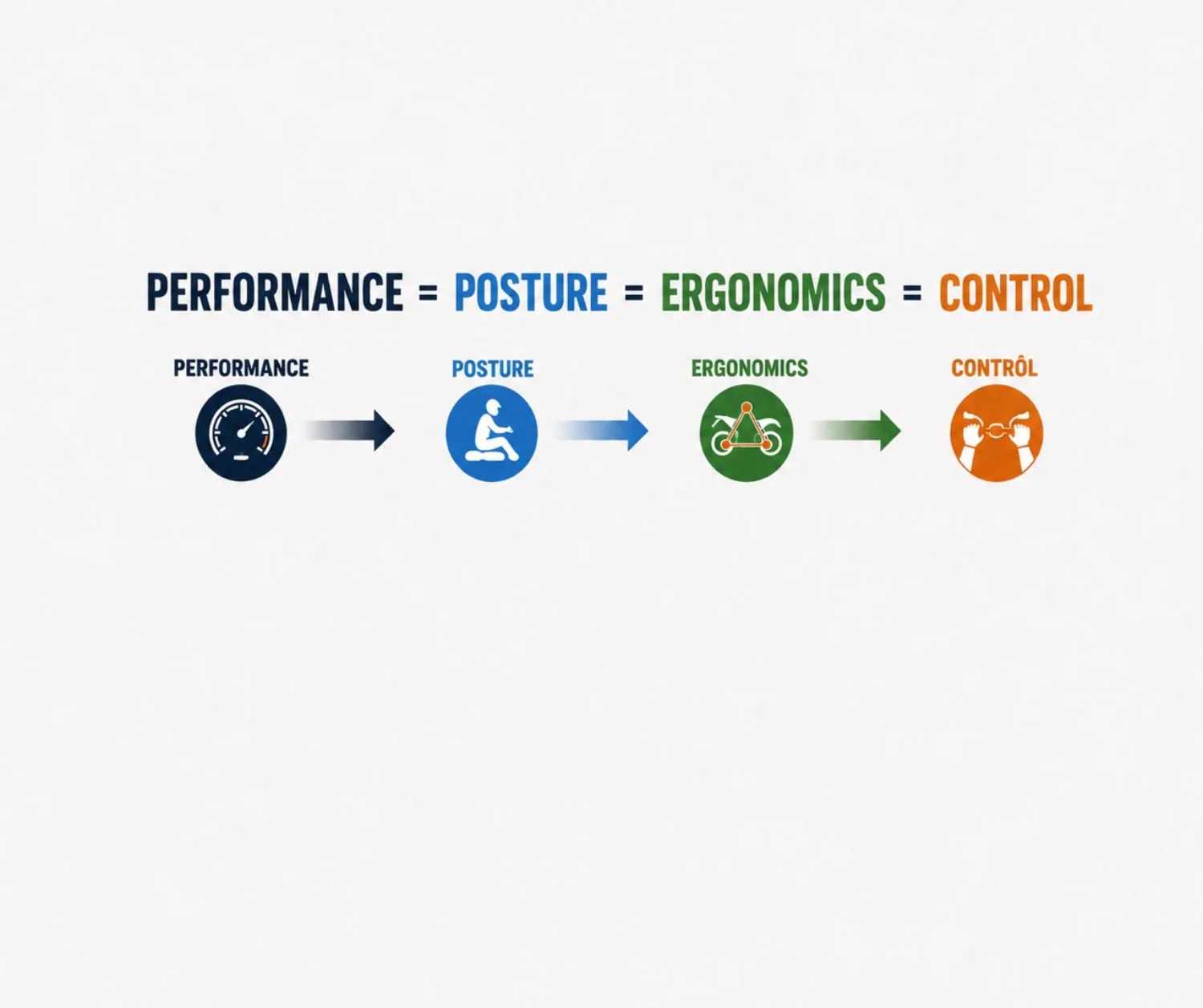
In my opinion, ergonomics must first be designed with control in mind.
When a motorcycle is properly adjusted, control increases. With greater control comes greater ease of riding. And when a motorcycle becomes easy to ride, pain in the shoulders, back, or forearms naturally decreases. Comfort then comes as a consequence… not as the main goal.
Ergonomics: It’s Not a List of Accessories, It’s a System
My goal here is not to say that the modifications you make to your motorcycle are bad. Absolutely not. You ride your motorcycle based on your reality, your needs, and sometimes even certain physical limitations. You are therefore probably the best person to know what suits you.
My goal is rather to get you thinking.
Especially on adventure motorcycles, where riding positions differ greatly from those of a strictly road-oriented motorcycle, ergonomics become much more complex to adjust. And above all, much more important.
Understanding body positioning
On a street bike, everything is designed to provide optimal handling in a single riding position.
On an adventure bike, this is also true… until you leave the pavement.
As soon as the road turns to gravel or more technical terrain, riding becomes much more active. The “road-seated,” “gravel-seated,” and “standing” positions then complicate the motorcycle’s entire ergonomic system.
But despite these three different positions, one element remains essential: the rider must always be in total control of their machine.
Stop buying, start adjusting
To master a motorcycle, you need easy access to the controls: brake and clutch levers, rear brake pedal, and gear selector.
Everything must be positioned to remain accessible, regardless of the riding position.
This is where a good understanding of body positioning becomes essential. Once the “road sitting,” “gravel sitting,” and “standing” positions are well understood, it becomes much easier to intelligently adjust the motorcycle’s controls.
Handlebars
Sometimes, simply rotating the handlebars forward by one or two degrees is enough to greatly improve steering control.
Handlebar Risers
During training sessions, I regularly notice that certain risers make standing riding much more difficult. If your risers force you to stand as straight as a stick when you’re standing, it might be time to reevaluate your position.
Riser bars that move the handlebars backward also alter steering behavior. In some cases, a narrower handlebar or a better riding position would be more effective solutions.
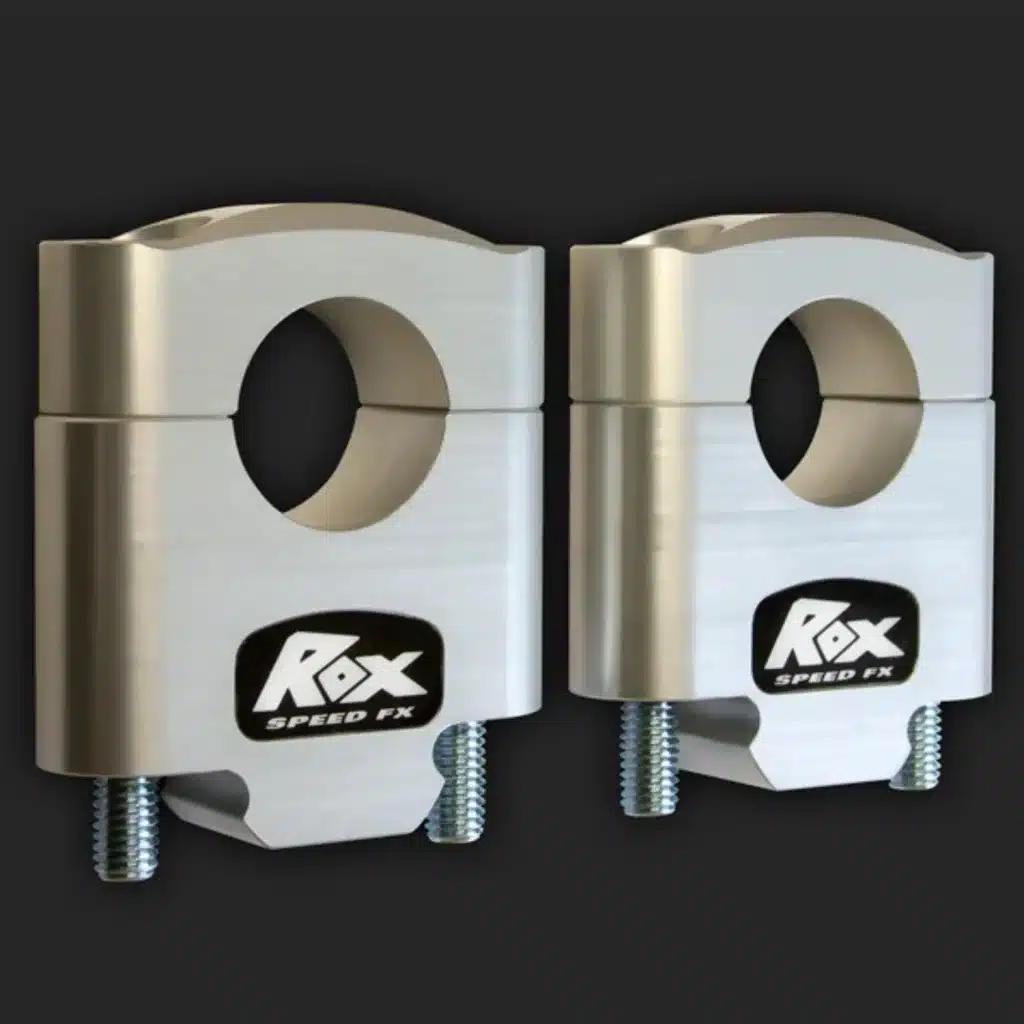
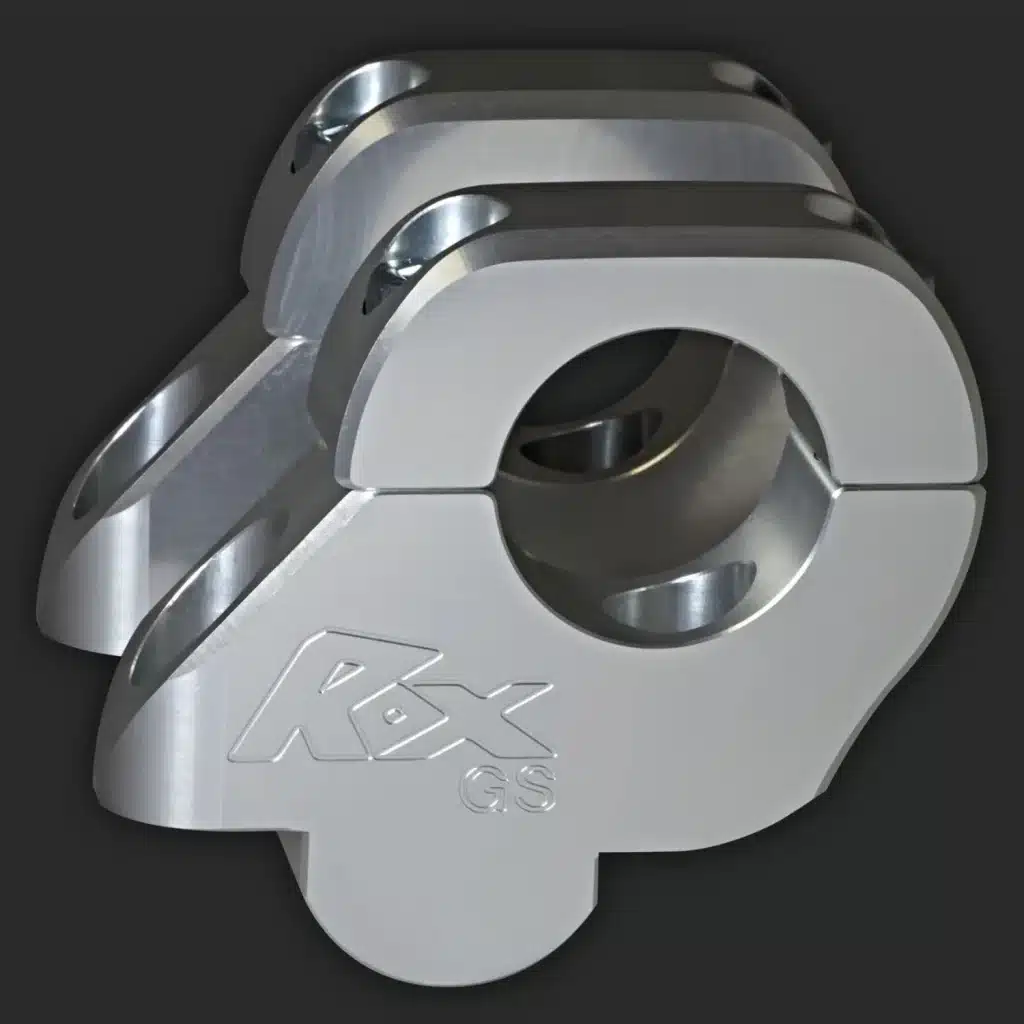
If, while shopping for your new motorcycle, you feel far from the handlebars, rather than considering modifications, it might be wiser to look for a different motorcycle model…
Front Brake and Clutch
The levers should ideally allow for a natural, linear position of the wrists and forearms.
Mirrors
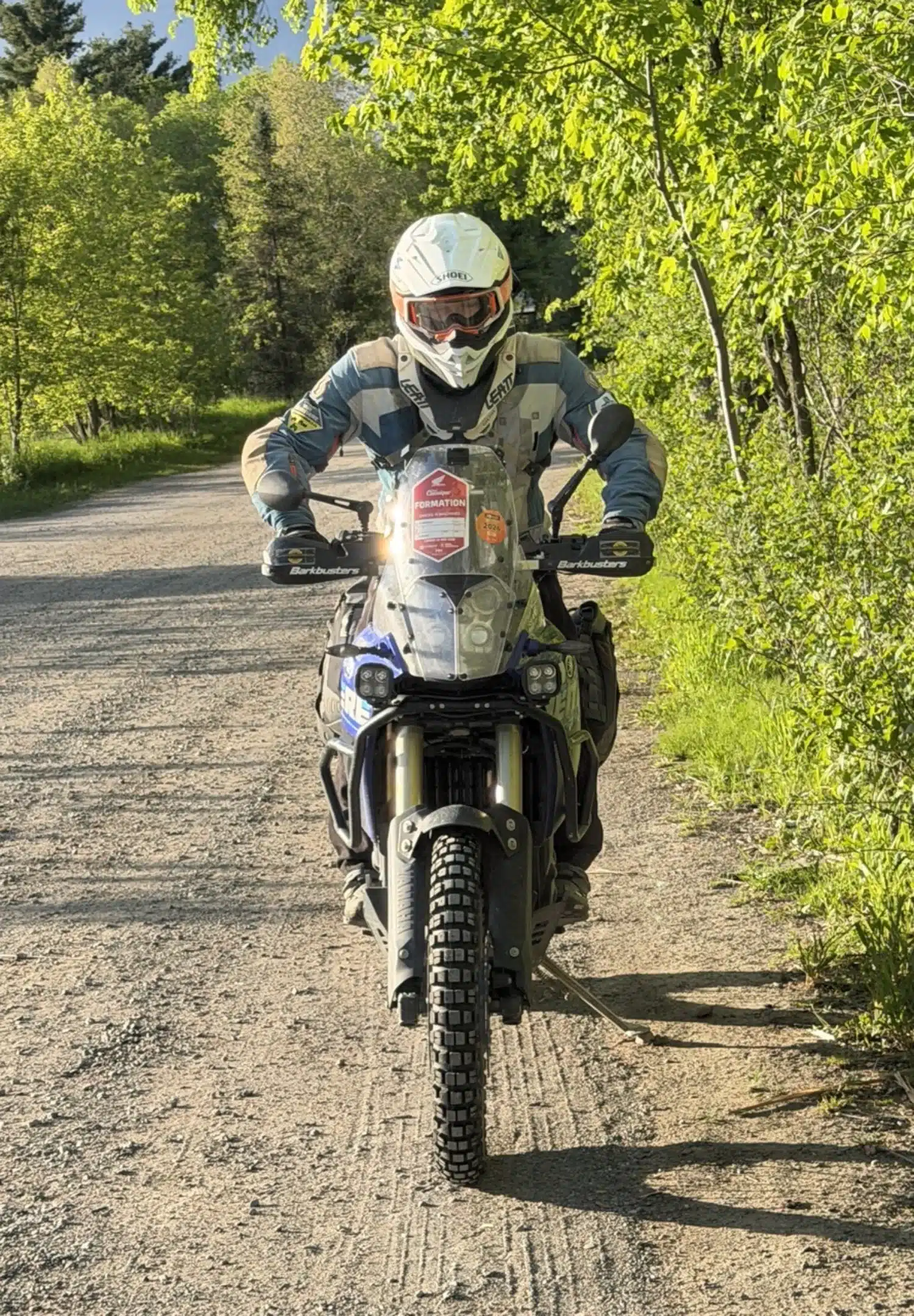
During long mixed-terrain rides, it can be helpful to adjust one mirror for the seated position and the other for the standing position.
Rear Brake Pedal
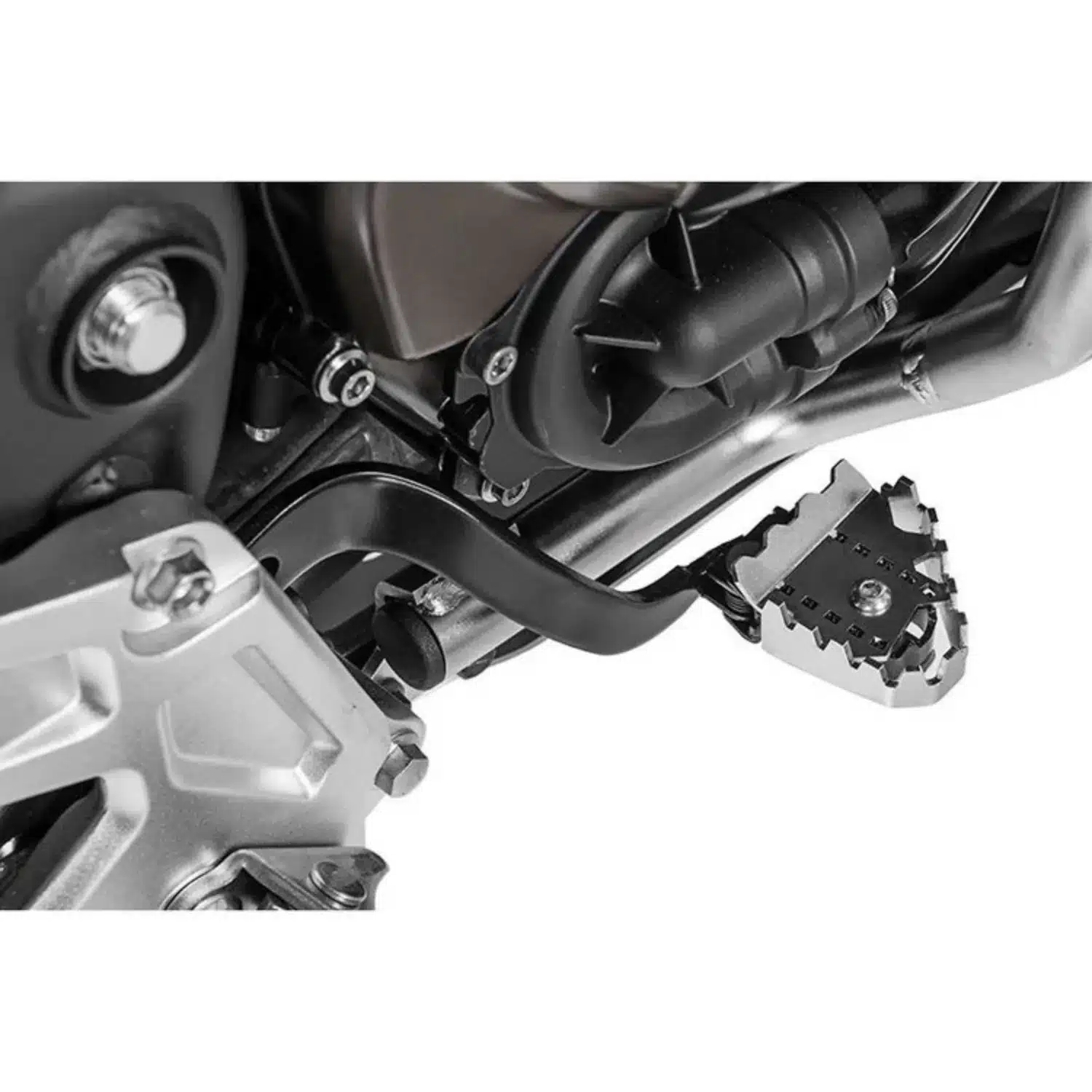
This is probably one of the few parts that is sometimes worth replacing with an adjustable model or one equipped with a small removable riser to make it easier to use while seated or standing.
Gear shifter
Finding the right position often takes several rides and a lot of patience.
Footrests
Large footrests sometimes offer more stability, but they also become more vulnerable in the event of a fall. Some models even catch on your pants when you put your foot down.
In many cases, standard-sized footrests combined with good adventure or motocross boots with stiff soles offer an excellent balance between control and safety.
It’s also important to keep in mind that as footrest size increases, gear selector and brake pedal adjustments will often need to be revised.
Luggage
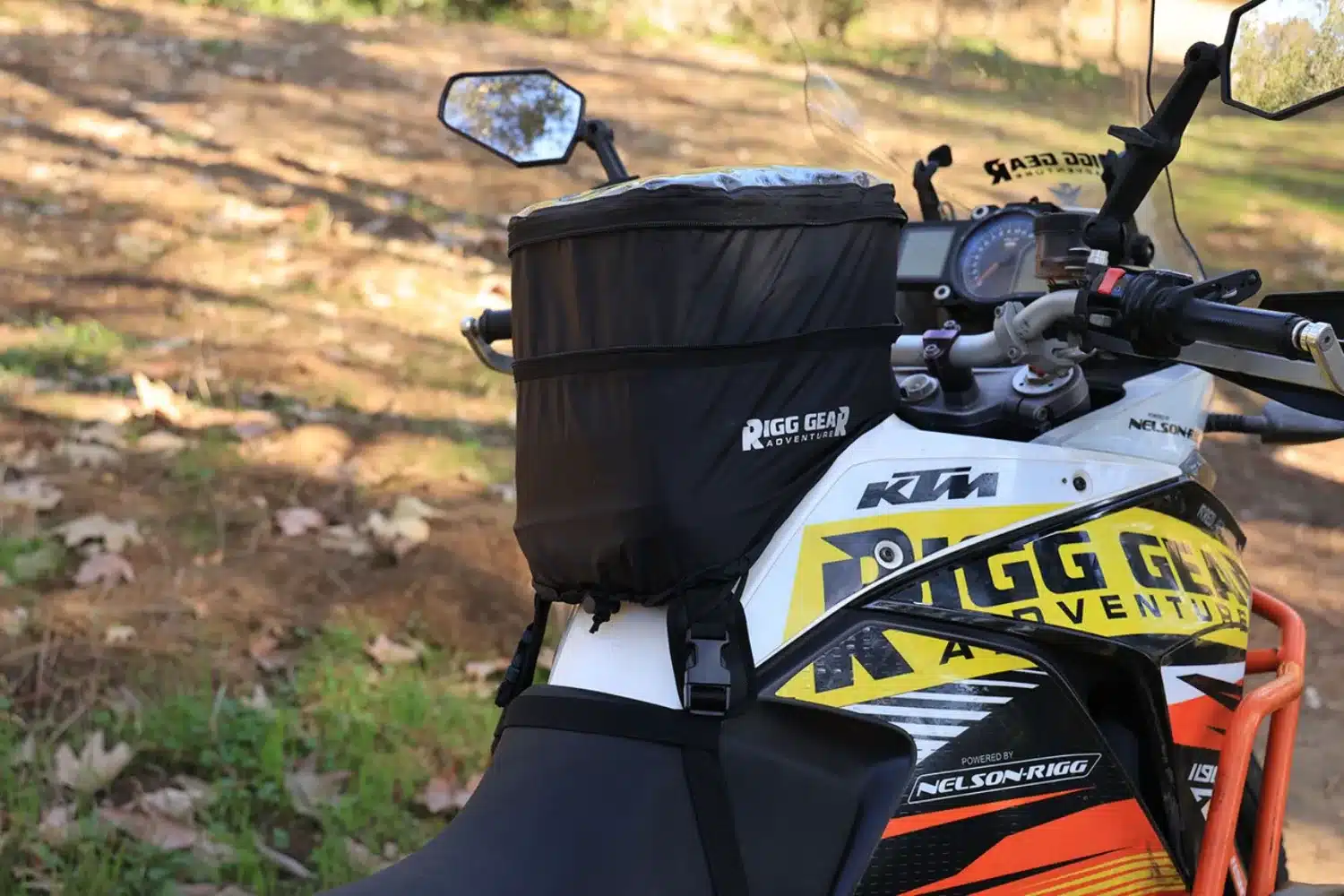
A tank bag is extremely practical… until you’re riding standing up on technical terrain. It often ends up restricting your movements.
Windshield
A large windshield greatly increases comfort on the highway. Off-road, however, it can become a potential source of injury. A poor maneuver or an unexpectedly difficult obstacle can quickly turn the windshield into an obstacle.
Comfort Seat
Rally seats are often higher due to better padding, but they generally remain narrow and allow for good rider mobility.
Before changing your seat, ask yourself:
- Does it hinder your movements when standing?
- Does it limit you to a single position when seated?
Quick Tip
All the adjustments mentioned here are general guidelines. Every rider has their own physical reality.
But when you’re adjusting your bike, always ask yourself this question:
“Does this adjustment help me work with the bike… or does it force me to endure it?”
Mistakes to Avoid
In 2016, I was lucky enough to get my hands on a superb Honda Africa Twin.
Unfortunately, due to a lack of experience and knowledge, I completely ruined this bike.
To improve riding comfort, I installed handlebar risers and a wider comfort seat. On the road, the result seemed excellent.
But when riding off-road… I was literally fighting against my bike.
With the handlebars too high, I felt like I was hanging onto them rather than controlling the front of the bike. As for the seat, it severely limited my movements. Even standing up, its width left me with very few options for shifting my weight effectively.
During the three years I owned this bike, I focused on improving its comfort rather than understanding it.
Instead of working on my riding position, I was constantly looking for parts to add to fix problems that I had essentially created myself.
How many times did I come back from a ride telling myself:
“I love this Africa Twin… but something isn’t right.”
Today, I realize that everything would probably have been much simpler if I had taken the time to understand the bike and learn how to work with it.
Technique Doesn’t Make Up for Poor Ergonomics
During a training session last year, a participant challenged me to get him to ride standing up.
According to him, it was impossible, since his bike had been fully adjusted for comfort on long road trips.
We took the time to review his three positions together:
- seated on the road,
- seated on gravel,
- standing.
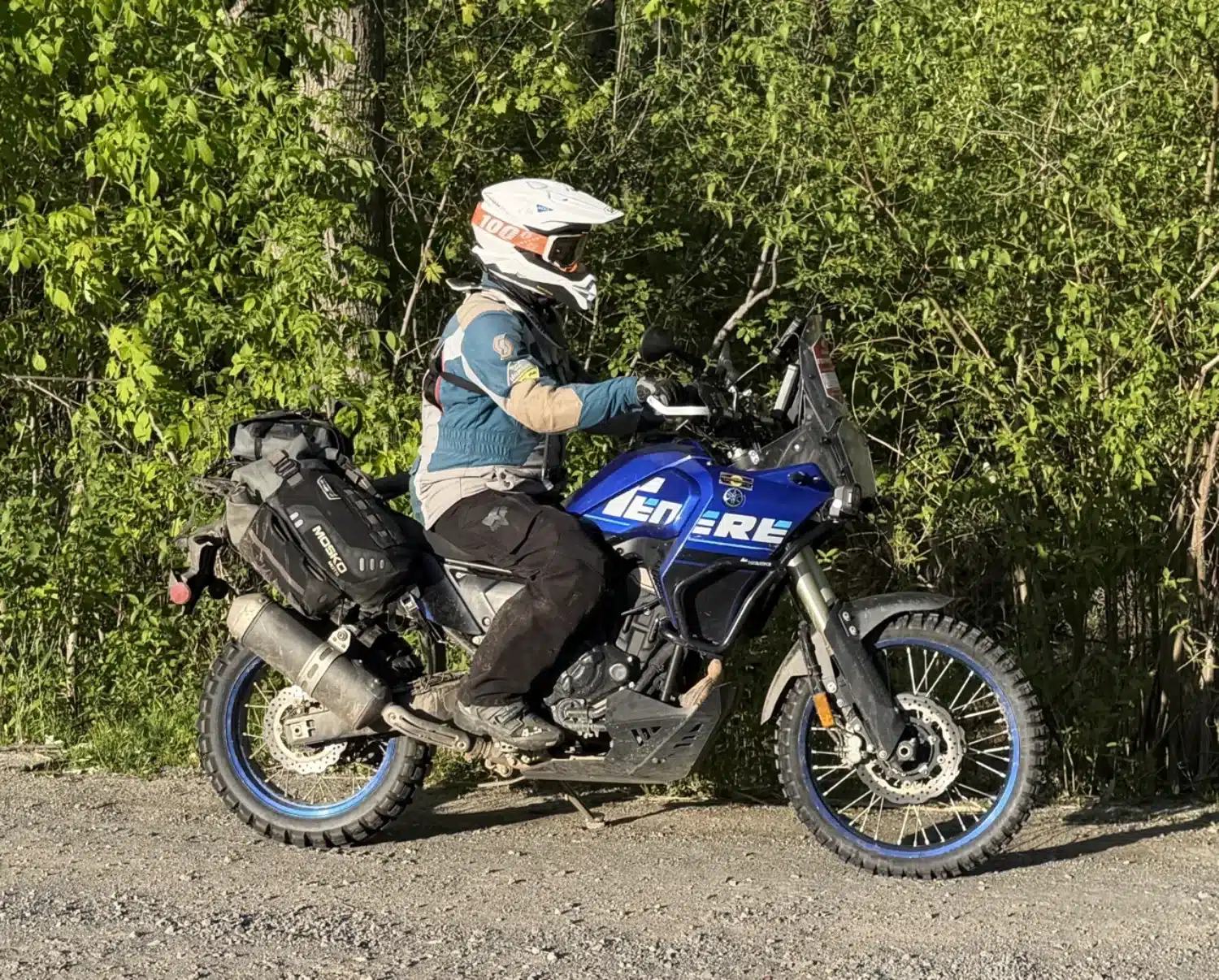
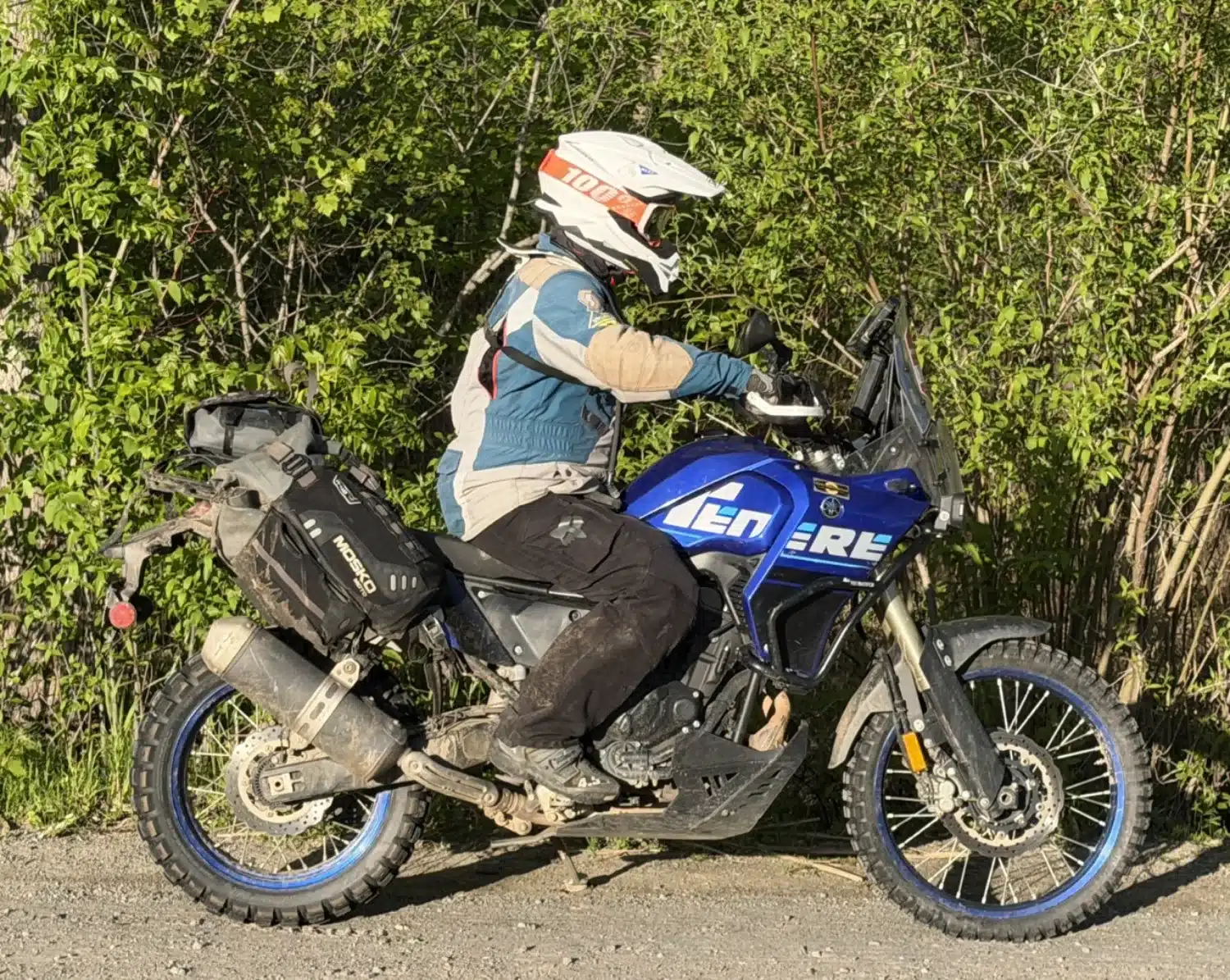
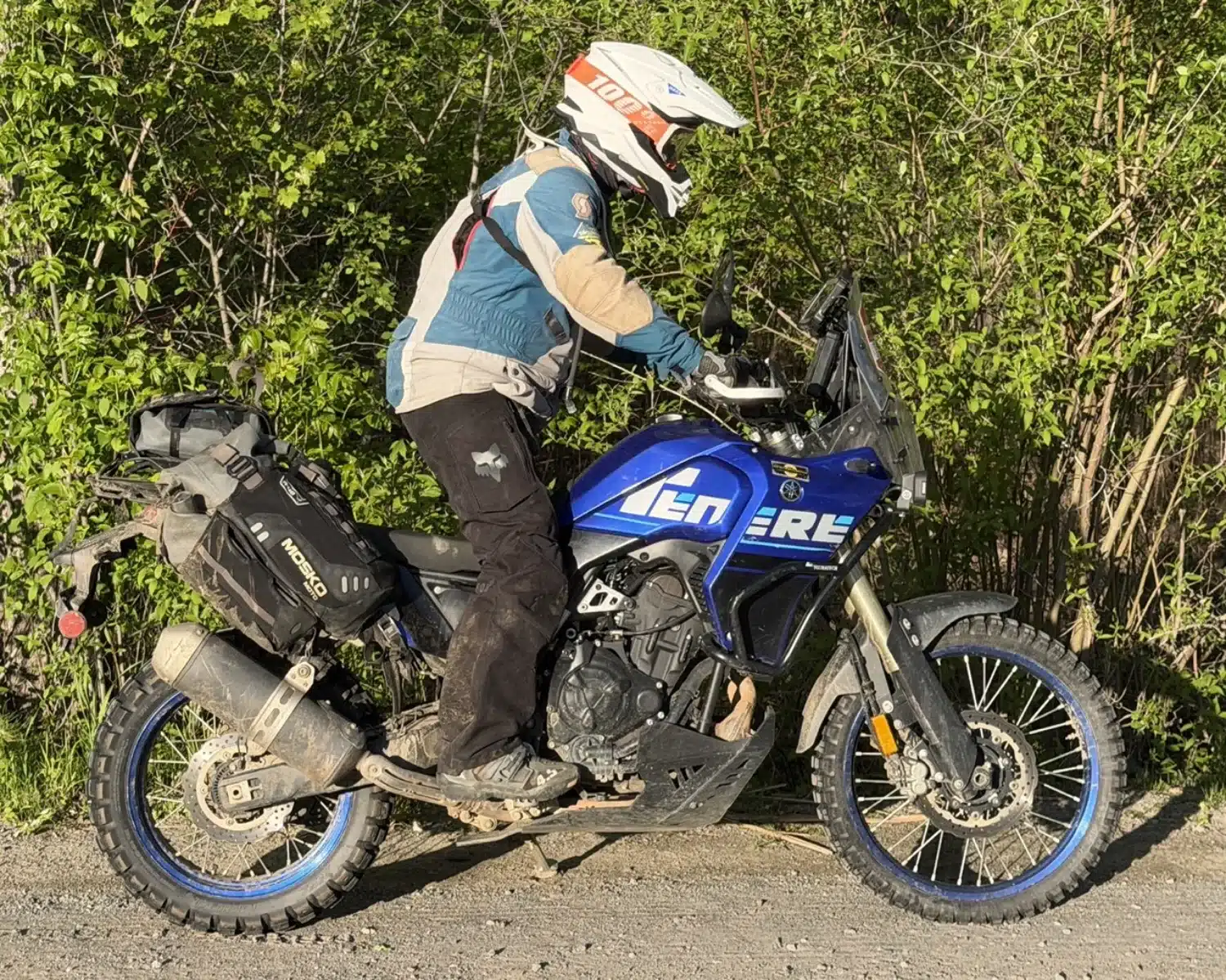
As the day went on, he began to understand several subtleties he had been completely unaware of. The more time passed, the more he realized the negative effects of his handlebar risers.
A few days later, he had removed them.
He then wrote to me to book another training session… to relearn how to ride in a seated position, accompanied by several winks.
Taking the time to understand your motorcycle and work on your riding positions truly allows you to become one with your machine.
And if, for physical or personal reasons, you need to modify certain ergonomic elements, always do so with this in mind:
- More control
- Less fatigue
- Lower risk of injury
- More fun
- Greater ease
And as a bonus… more comfort.