We are all snowmobile enthusiasts and we try to enjoy it as much as possible since the seasons are generally short. They are even shorter when we don’t have the opportunity to ride during the week.
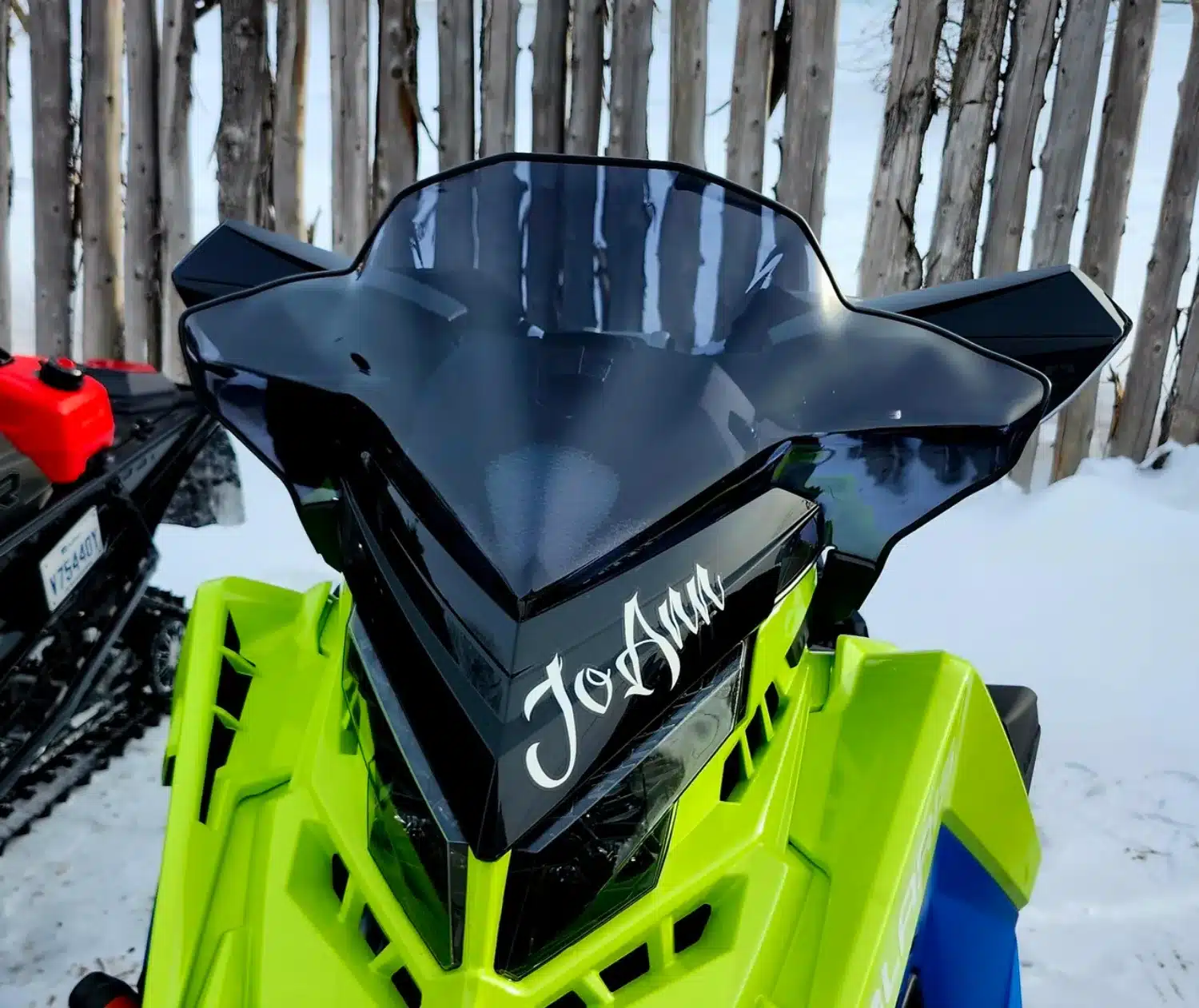
This winter, we have not been spared from the cold. We have the choice of staying warm or enjoying it by adapting. Here, one of the first things we do is install a taller windshield. It provides much more protection from the wind.
The cold, often accompanied by wind and unpredictable weather conditions, can turn a simple outing into a survival situation in the event of an accident. Even a minor mechanical breakdown can become more problematic and cause frostbite and, worse, hypothermia.
The purpose of this column is not to patronize you or repeat what you have already read or heard, but to make you aware of various aspects to consider so that your outings remain safe and enjoyable.
PREPARE BEFORE HITTING THE TRAILS
Preparation is the first step to a successful outing. As with any hike, before even starting your snowmobile, it’s important to check that you have a minimum of items with you (water, energy bars, nuts, lighter, etc.).
INSPECTING YOUR SNOWMOBILE
A poorly maintained engine or a weak battery can cause problems in cold weather, when the risk of breakdowns is higher. Check the condition of the belt, track, and fuel level. Make sure you have at least spare spark plugs, a belt, and a tow rope.
It is not uncommon for some snowmobiles to refuse to start. A jump start may be necessary or, when possible, the snowmobile can be brought into a warm garage.
CHOOSE A APPROPRIATE ROUTE.
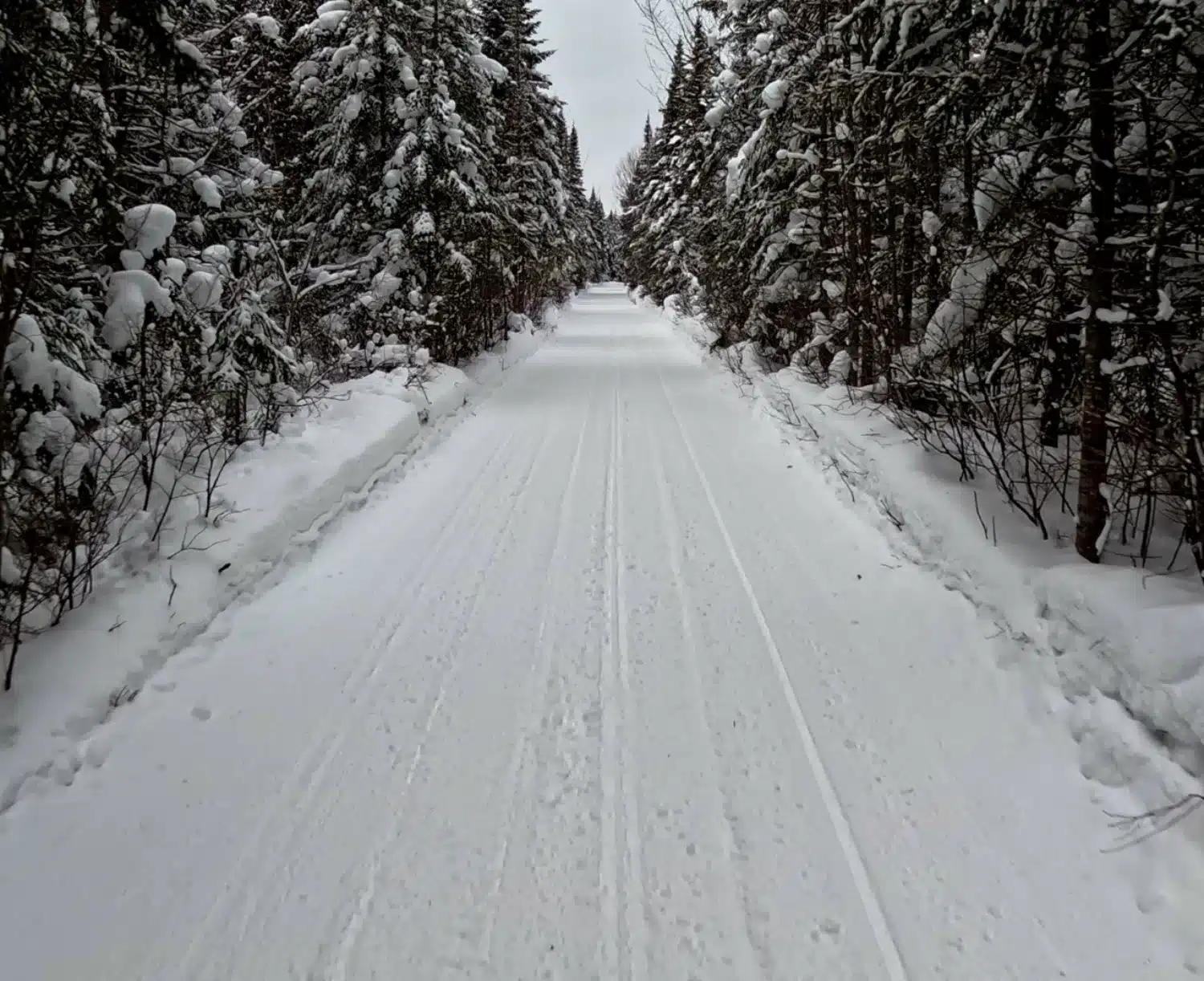
Ideally, you should plan your route and, if possible, avoid routes that require you to travel through fields. If you opt for familiar trails, you already have landmarks. This can be useful in case of problems. Plan your trip so that you can stop to warm up after traveling a shorter distance than usual. It is important to avoid riding alone.
THE HELMET
If you have more than one helmet, the obvious choice is to use the most airtight one you have, which is also the warmest. Even though many people, myself included, prefer a helmet with goggles, I use a full-face helmet for this type of ride. Regardless of the helmet you use, check the ventilation ports to make sure they are closed. It is not uncommon for frostbite to occur on the face when cold air enters through these open vents.
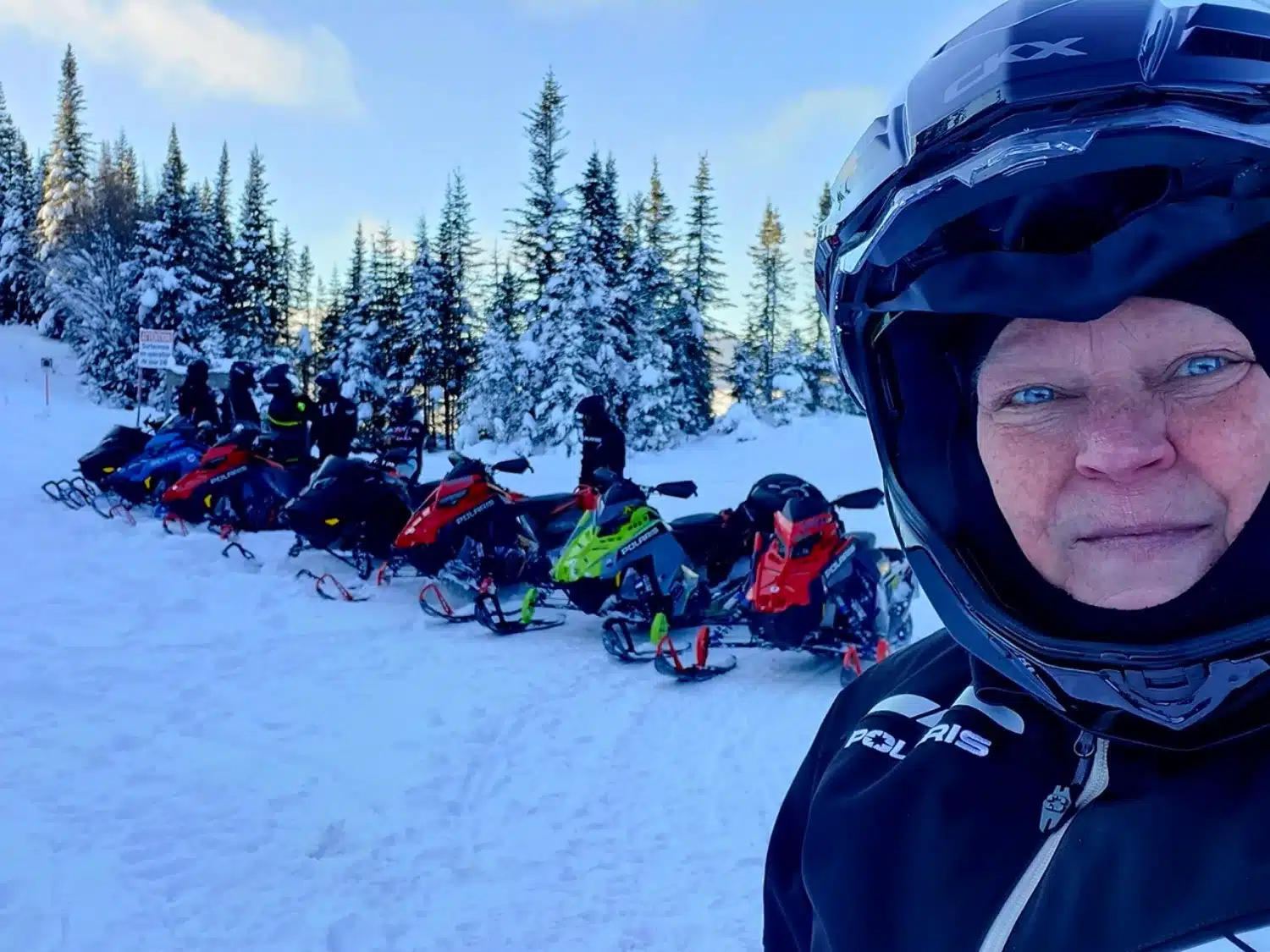
A communication system is always a good ally on the trails. This type of equipment is becoming increasingly popular. Having used it for 20 years, I couldn’t do without it. We are certain that this system has saved us from many unpleasant surprises, regardless of the temperature.
CLOTHING, A CRUCIAL CHOICE
The choice of clothing is probably the most important factor in protecting yourself from the cold. Layering is the golden rule. It retains body heat while wicking away moisture. A one-piece suit retains more heat than a two-piece suit, but it must be well insulated.
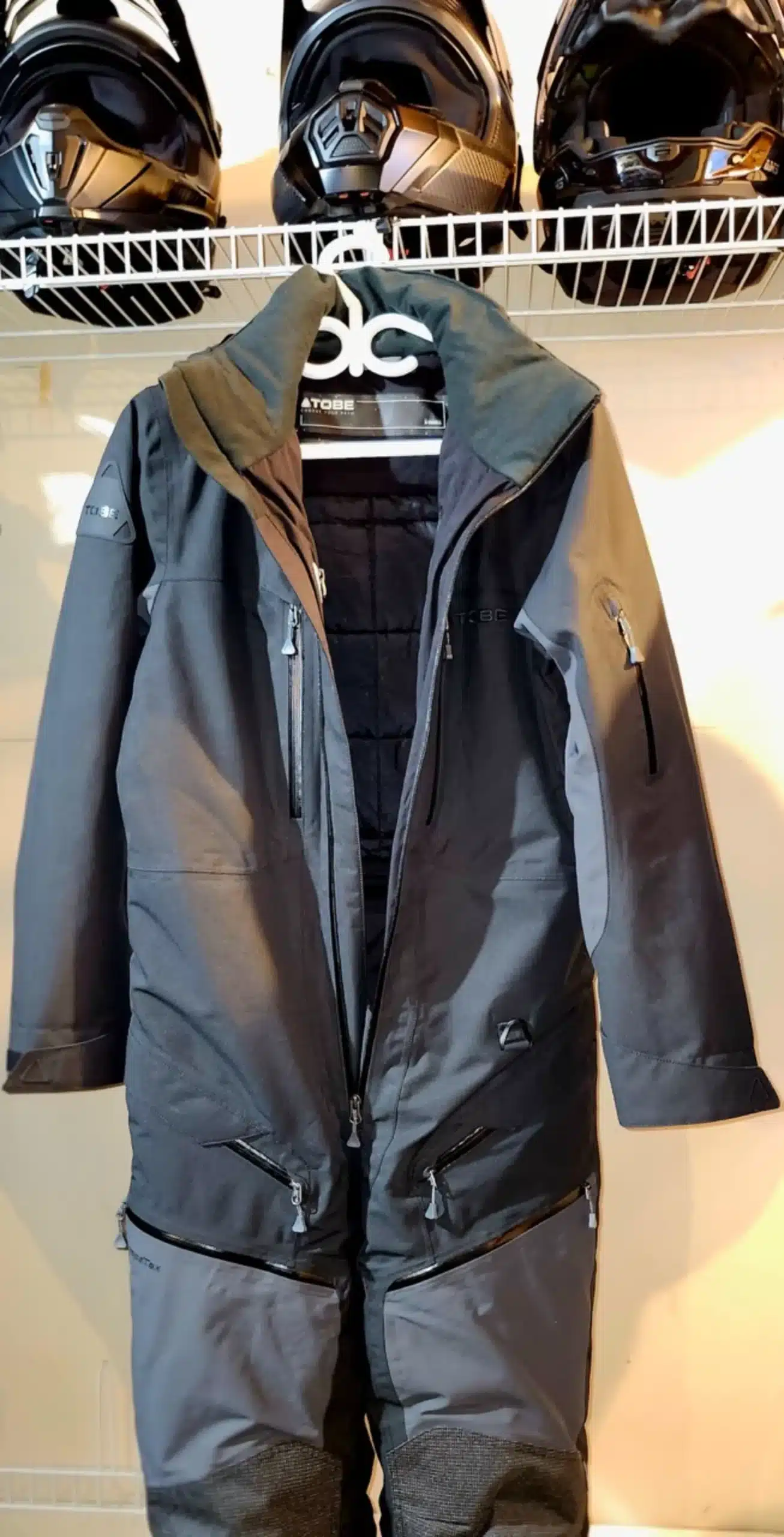
As with helmets, if your coats and overalls have ventilation flaps, you’ll quickly realize if you’ve forgotten to close them.
In very cold weather, my first layer consists of thin, lightweight clothing with a metallic fiber directly against the skin. These clothes make all the difference and greatly increase comfort.
HANDS AND FEET, THE FIRST VICTIMS OF THE COLD
Hands and feet are the first to be affected by the cold. This is caused by vasoconstriction. No need to tell you to wear good boots and gloves or mittens. There are also arm warmers. Although not everyone likes them, myself included, they can be essential and make all the difference.
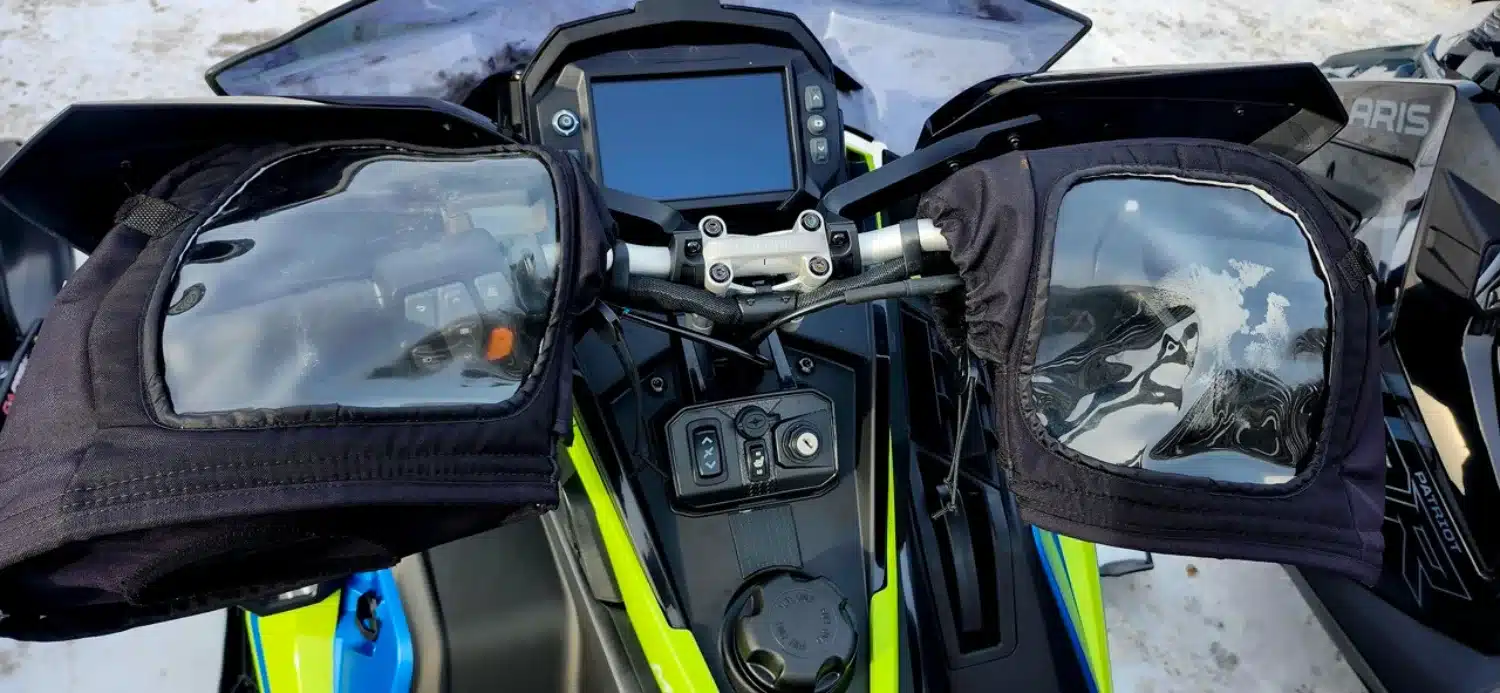
Some of us bring “Hot Pads.” These are indeed practical and take up very little space. They can easily be slipped into pockets or luggage.
HEATED ACCESSORIES AND CLOTHING, ESSENTIAL ITEMS
In addition to my Polaris heated seat, I also use a jacket and underwear. I couldn’t do without them anymore; they are essential for me because they allow me to adjust my comfort level according to the temperature.
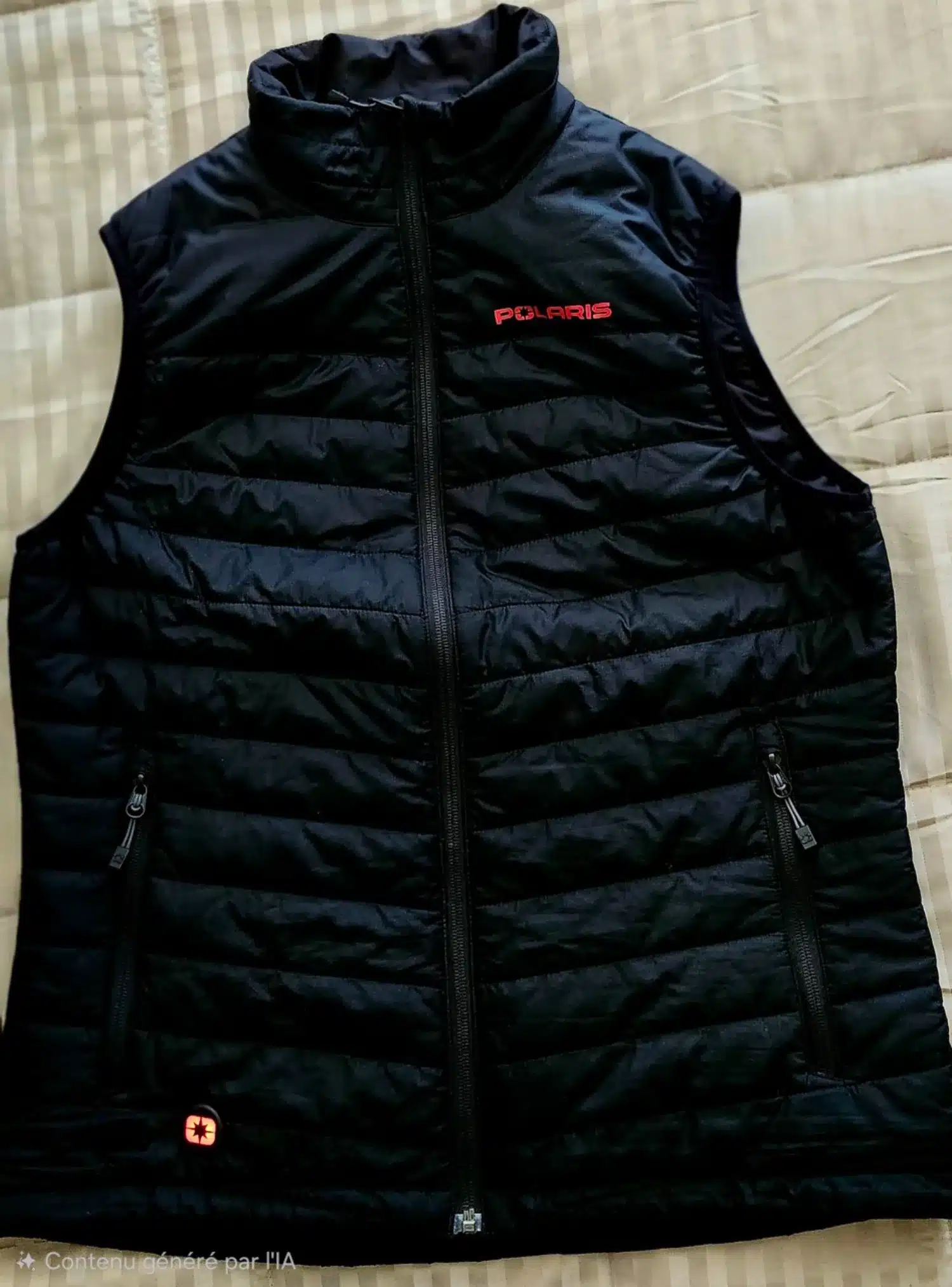
I’m thinking about buying heated socks, but as for gloves, after trying them a few times in the past, I haven’t been tempted to try them again.
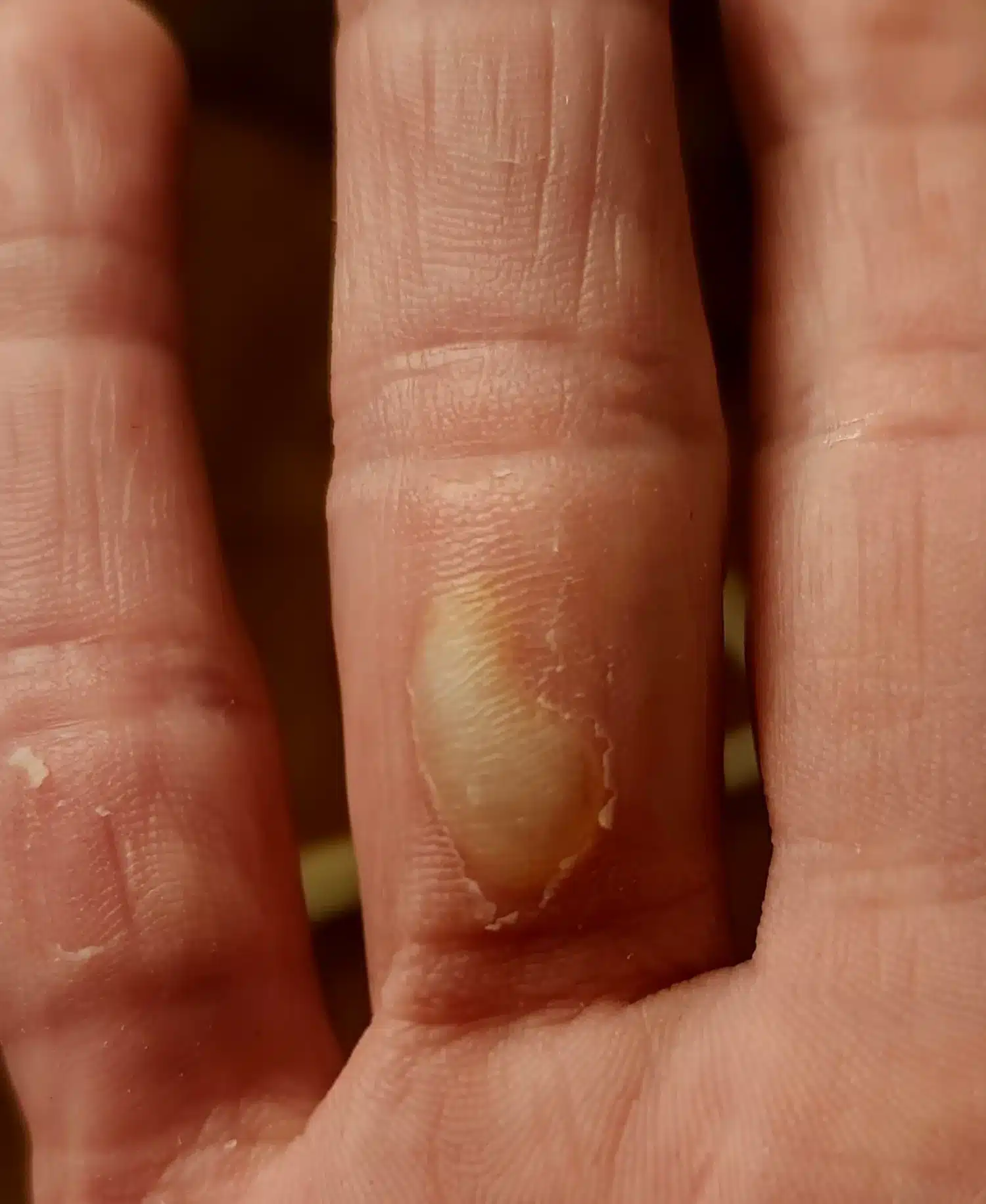
Prolonged use at high temperatures, just like our heated grips, can cause burns. Ideally, vary the temperature regularly and don’t keep it at the maximum setting.
ADAPT YOUR DRIVING TO THE CONDITIONS
Snowmobiles react differently depending on the temperature and snow quality. In very cold weather, the snow becomes harder and more slippery. Braking distances can increase, and the snowmobile can lose traction. It is therefore important and safer to reduce your cruising speed to minimize risks on the trails.
RIDING IN A GROUP IS ESSENTIAL FOR SAFETY
It is always safer to avoid riding alone and to ride with others. In a group, the chances of successfully performing an emergency maneuver or repairing a breakdown increase considerably. Furthermore, in these conditions, it is certainly not the time to introduce people to snowmobiling. Lack of experience and inappropriate equipment could pose a problem.
CONCLUSION
Remember, snowmobiling is not a fashion parade, especially when it’s very cold. It requires discipline, preparation, and caution. Being well equipped, checking your gear, knowing the dangers of the cold, and anticipating emergency situations are essential reflexes. A successful winter outing is not one where you take the most risks, but one where you return home safely.