Snowmobiling is not just a winter leisure activity or a means of transportation. Enthusiasts will be able to proudly practice their favorite winter activity. Because it has been scientifically proven to have therapeutic benefits for mental and physical health.
Beyond the pleasure of riding through snow-covered forests or climbing pristine, steep mountains, this motorized activity offers concrete benefits that have been validated by scientific research.
Much more than just a leisure activity, it contributes to scientifically recognized good winter physical activity.

Studies, notably those conducted by a team at the University of Guelph, have explored and quantified the positive impact of snowmobiling on overall well-being. They attest that outings in nature, light but constant physical exercise, and the social aspect of group riding contribute to reducing stress and improving quality of life.
Objective scientific studies
The thesis “The Physiological Assessment and Analysis of the Physical Demand of Riding a Snowmobile” was conducted by Tania Pereira and presented at the University of Guelph in 2018. It serves as a reference for quantifying the actual effort required when riding a snowmobile, both on and off-trail.
This work established objective physiological data, clearly positioning snowmobiling as a recommended physical activity (PA) in accordance with public health guidelines.
Here is a detailed summary of the methodology and main conclusions of this thesis, which was conducted in a scientific context:
The first step was to note that insufficient physical activity (PA) in the population is a major risk factor for many chronic diseases and premature mortality. This risk increases during the winter months, when cold temperatures and reduced sunlight limit outdoor activities.
Practicing in colder climates uses more energy.
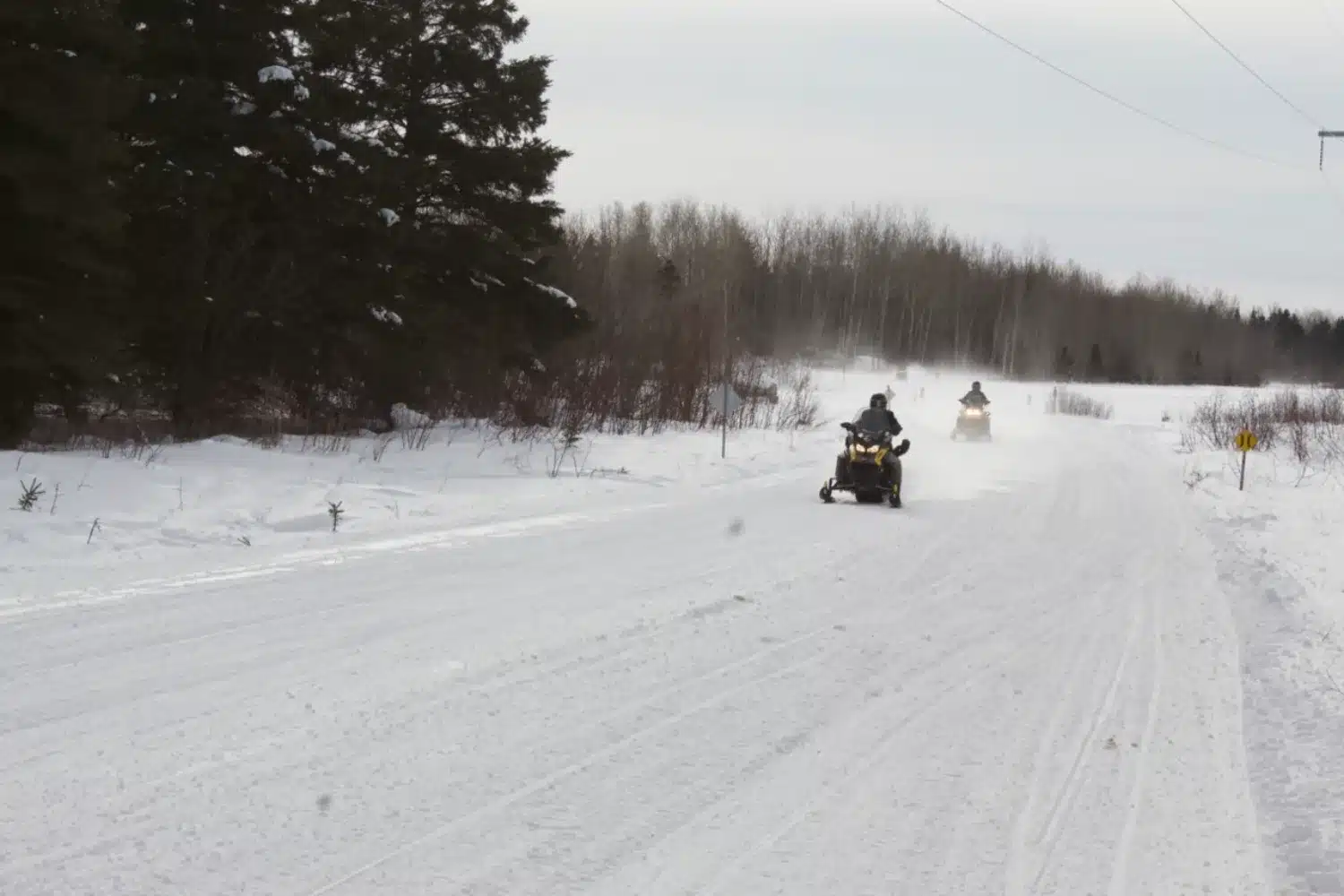
That’s not counting snowmobiling, which is practiced in cold weather and snow. This relatively heavy vehicle requires physical activity to maneuver. It was necessary to measure energy expenditure while driving and handling the vehicle in order to compare it with other sports.
The main objective of Tania Pereira’s thesis was to fill this gap by physiologically and objectively assessing the actual metabolic and physical demands of snowmobiling. This work was divided into a survey phase with regular drivers, followed by a phase of physiological testing in the laboratory under real conditions.
More than 4,000 drivers responded to the survey. The questionnaire aimed to describe the nature of a typical outing, assess perceived physical effort on a scale of 1 to 10, and identify the most physically demanding ancillary activities (such as loading and unloading the snowmobile onto the trailer).
Two types of snowmobilers were identified: drivers on groomed trails and off-trail enthusiasts in steep, deep snow.
Forty recreational snowmobilers participated in standardized physiological tests. Measurements were taken of oxygen consumption, heart rate, and muscle strength, with an assessment of muscle fatigue before and after driving.
The survey confirmed that the activity involves significant physical effort, which is often underestimated by the general public.
It appears that the most tiring physical tasks are not necessarily the driving itself, but the external efforts and handling of the machine.
The significant physical effort required by mountain snowmobilers
Off-trail snowmobilers reported significantly higher physical exertion due to the need to countersteer, lean, and constantly struggle with the machine in loose snow. Efforts to pull the snowmobile out of the snow were also cited as intense.
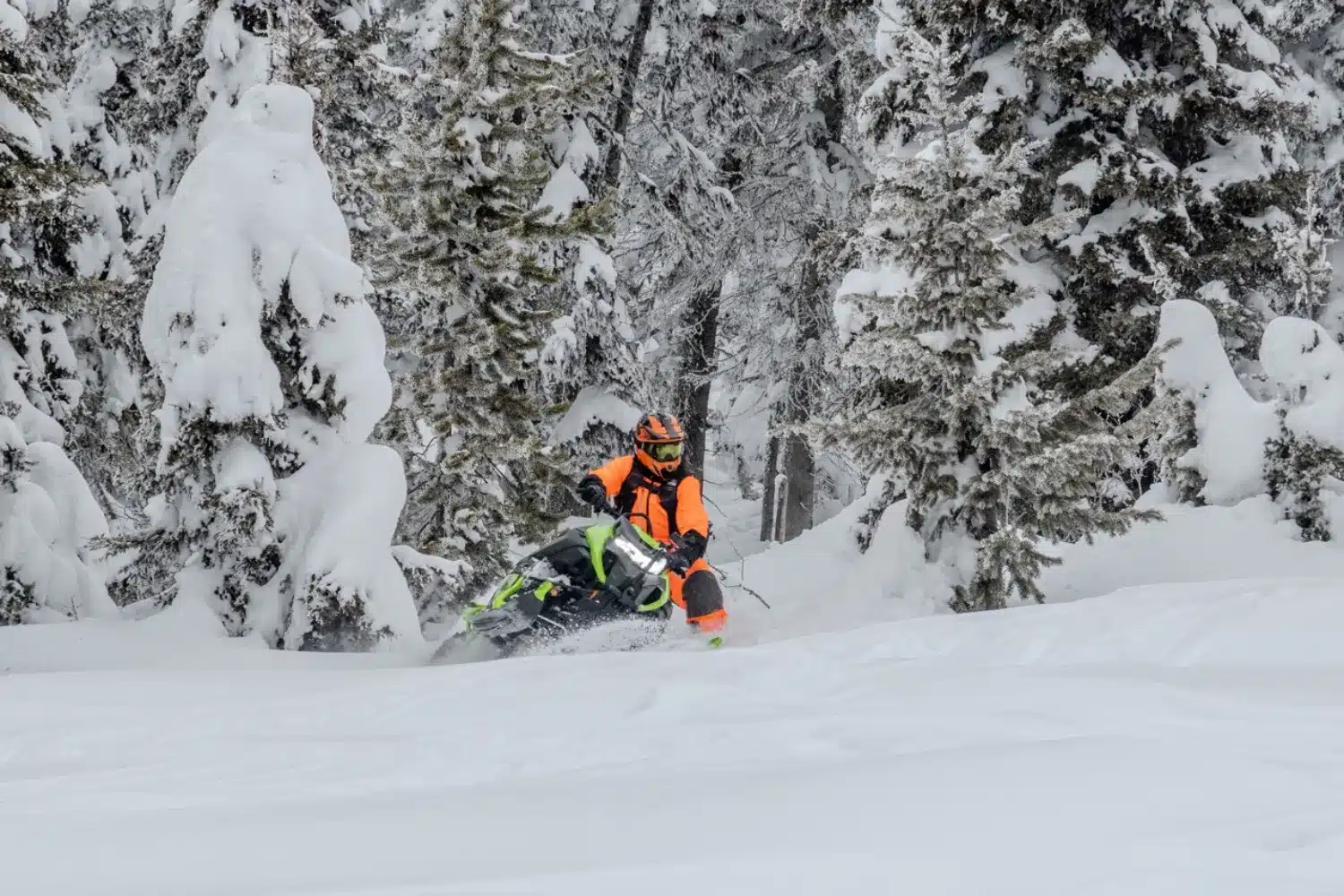
All snowmobilers recognized that the most demanding tasks were loading and unloading snowmobiles, pulling them, pushing them, or tipping them on their sides for repairs.
The physiological demands of riding were assessed by considering oxygen consumption, trail riding, and off-trail riding. The study also highlighted the importance of physical demands on the upper body. This demonstrates that upper body strength and endurance are essential in snowmobile riding, particularly for maintaining posture, absorbing shocks, and steering the machine.
Results of the scientific study
The results of the study allow snowmobiling to be considered a physical activity in the context of public health and, more specifically, the “Canada’s 24-Hour Movement Guidelines for Adults,” which recommend 150 minutes of moderate-intensity physical activity or 75 minutes of vigorous-intensity physical activity per week.
Trail snowmobiling is a moderate-intensity physical activity, while off-trail snowmobiling on steep terrain is equivalent to intense physical activity.
Modern riding styles (particularly standing and active riding) also require increased muscle engagement in the core, legs (shock absorption), and arms (steering). The results on upper body fatigue confirm that snowmobiling is a sport that involves cardiovascular fitness as well as muscle strength and endurance.
For public health and healthcare professionals, snowmobiling can now be cited as a credible option for winter physical activity.
It also has mental health benefits. As the INSPQ states, “Recreational physical activities, especially those practiced in groups, are interventions that have great potential to improve mental health, prevent mental disorders, or reduce their symptoms.”
Exposure to natural light can also have a positive effect on symptoms of depression (Pinchasov, Shurgaja, Grischin, & Putilov, 2000).
Mentally, immersion in nature leads to a marked reduction in stress and a decrease in cortisol levels. Finally, the physical effort involved in driving triggers the release of endorphins, the “feel-good” hormones that provide a lasting sense of well-being and serenity.
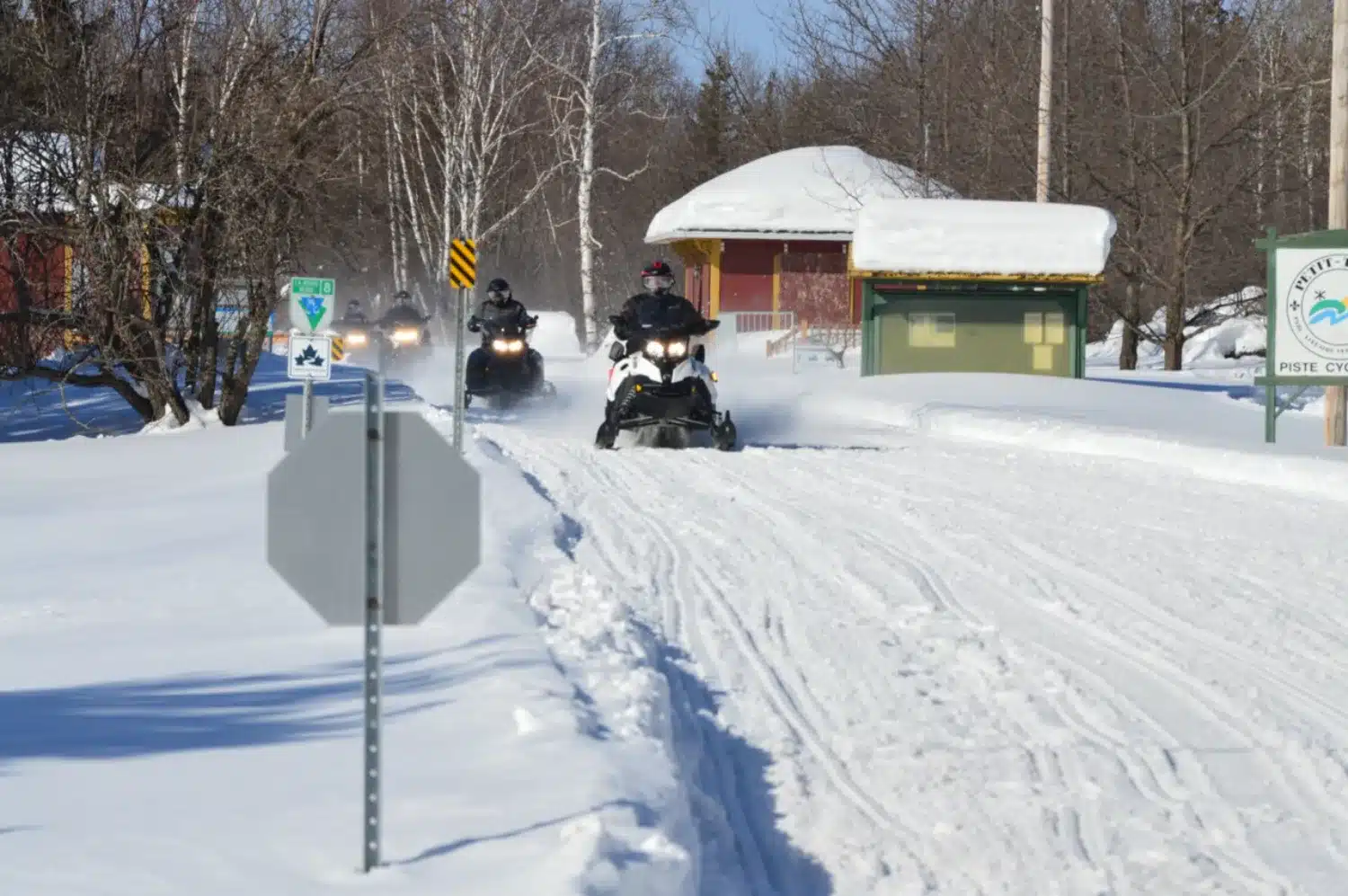
In conclusion, snowmobiling is a dynamic, demanding activity that is beneficial to physical health.
Sources :
- The thesis “The Physiological Assessment and Analysis of the Physical Demand of Riding a Snowmobile“.
- « The Canadian 24-Hour Movement Guidelines for Adults (18-64 years) »
- INSPQ : « Activité physique et santé mentale : une nouvelle piste pour l’intervention? »
- « Interacting with nature improves cognition and affect for individuals with depression »