According to various players in the industry, the annual budget for a snowmobiling season in Quebec generally ranges from $2,000 to $5,000, which includes gas, maintenance, and access fees. Obviously, the budget depends on usage and repairs. There are also variations in insurance costs depending on the insurer and the desired coverage.
Access fees for FCMQ trails
Access fees for the trails of the Fédération des clubs de motoneigistes du Québec (FCMQ) are mandatory for riding on them and therefore represent one of the first expenses for snowmobilers. For the current season, it cost $425 before November 1, $450 before December 15, and $550 since then. These prices are valid for online purchases on the FCMQ website. It is also possible to purchase trail access rights, but at a cost of $900 for the season.
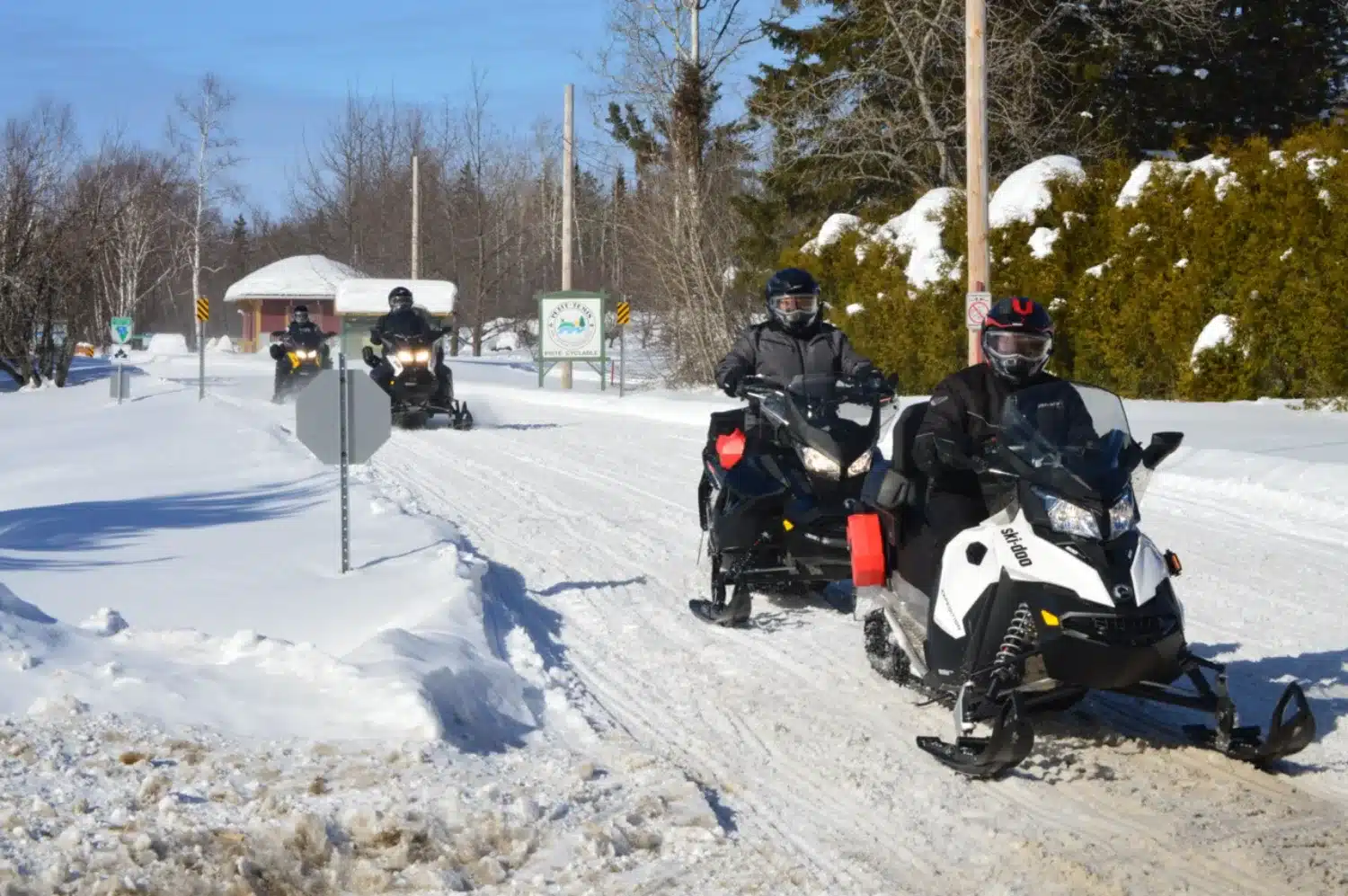
For snowmobilers who are not available for the entire season or who are visiting on vacation, there are access rights for 7 days ($300), 5 days ($240), 3 days ($190), 2 days ($150), and 1 day ($90). For rental snowmobiles, the access fee is $650.
The access fee for antique snowmobiles, i.e., models from 2006 and earlier, is reduced to $325 for one year.
Please note that for access fees purchased after December 15, $370.97 goes to the Trail Network Development and Optimization Fund.
Insurance
In Quebec, snowmobile trail regulations require snowmobilers to have a valid access fee, the vehicle to be registered, and the owner to have civil liability insurance of at least $1 million. This insurance guarantees compensation for bodily injury or property damage caused by the vehicle.
Snowmobile drivers must carry proof of civil liability insurance, the vehicle registration certificate, proof of age, a valid driver’s license, a training certificate (for drivers aged 16 and 17), and proof of access rights at all times.
Prices vary
The price of snowmobile insurance in Quebec varies greatly, ranging from $300 to $1,200 per year, depending on the coverage, the type of snowmobile (engine size, age), driving history, and available discounts, such as combining home and auto insurance.
Most insurers offer the option of obtaining a quote quickly on their website.
Liability insurance covers property damage to your snowmobile in the event of a collision in Quebec for which the driver is not responsible. It also covers property damage and bodily injury if the accident occurs outside Quebec, as well as unintentional damage caused to other people.
Basic liability insurance costs between $150 and $300. The purchase of an annual access pass from the Fédération des motoneigistes du Québec includes liability insurance at a preferential rate of $32.77.
Proof of insurance may be requested
“Proof of insurance may be requested at any time by a police officer, trail patrol officer, or provincial officer. You must have it with you, otherwise you may be fined,” states the Société de l’assurance automobile du Québec (SAAQ) on its website.
Speaking of insurance, the SAAQ specifies that if a snowmobiler has a solo accident, for example, if they crash into a tree, they will not be insured by the SAAQ for their injuries. The fact that they have paid for a license plate for their vehicle will not change anything.
However, if the accident involves a car traveling on a public road, the snowmobiler may receive compensation for their injuries.
This year, registration costs $104.20 per year for a snowmobile weighing 450 kg or less, according to the SAAQ website.
Maintenance costs
Over time, a snowmobile may require maintenance or repairs. Snowmobile maintenance costs range from $250 to $500 per year for regular maintenance, but may increase in the event of major repairs or the use of specialized parts.
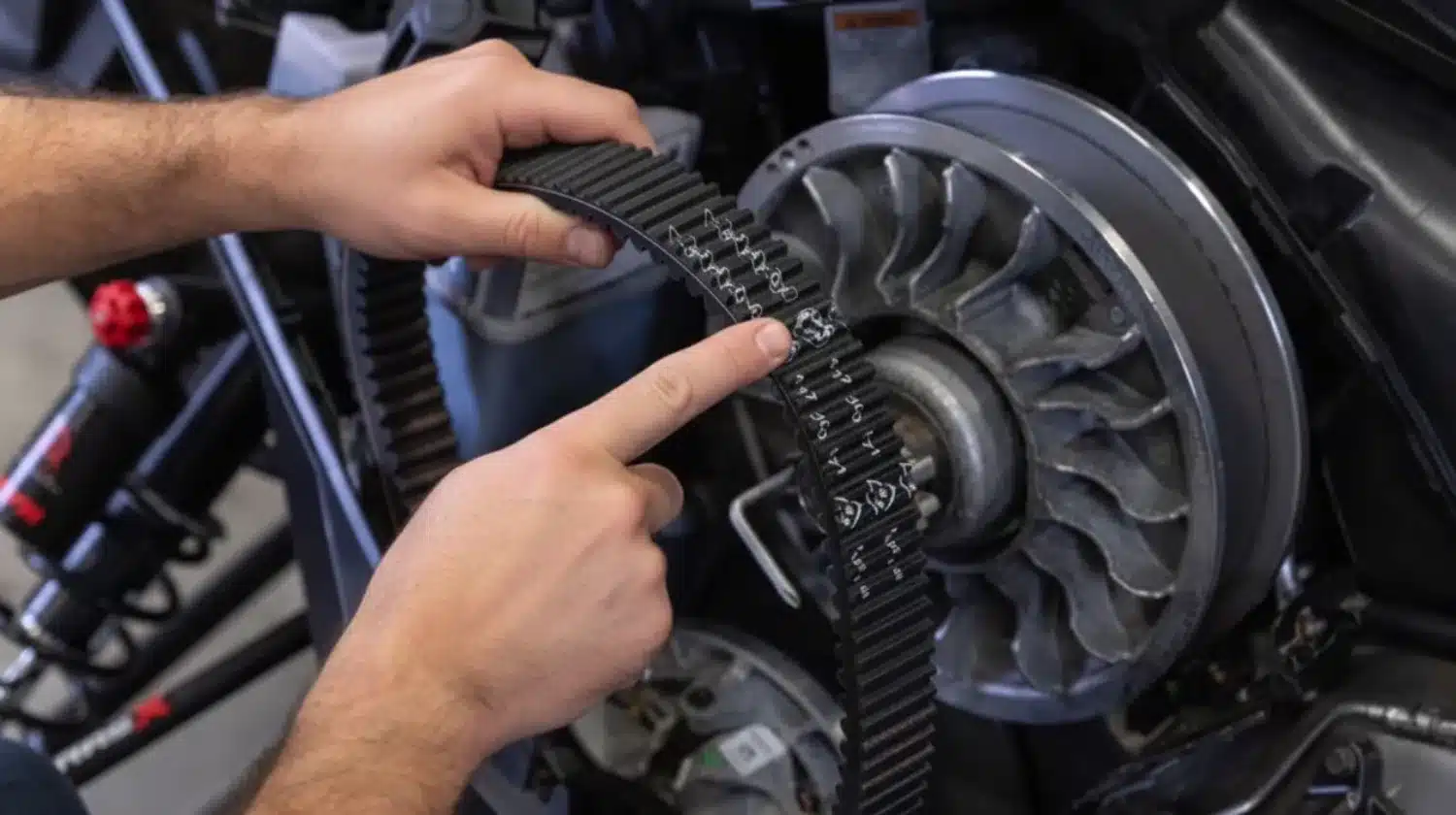
At the beginning of the season, it is recommended that you change the oil, replace the filters, and inspect the belts and spark plugs. Throughout the season, check the oil level, lubrication, and track alignment. When storing your snowmobile, it should be thoroughly cleaned. The fuel tank should be full for newer models and empty for older models with carburetors.
It is essential to prepare your snowmobile before each winter season to ensure reliable and efficient operation.
At the beginning of the season, Ski-Doo dealers recommend checking that the throttle and brake levers are working properly. “The throttle lever should move freely and return to its position as soon as pressure is released. Squeeze the brake lever to make sure it is not loose and does not reach the handle under pressure. “Double-check that the engine emergency stop switch is working properly,” says the Ski-Doo team on the manufacturer’s website.
SM Sports emphasizes the importance of paying attention to the track. “First, check for snags, tears, punctures, and missing tread. Then check the tension: lift the rear of your snowmobile and measure the track deflection with a tension gauge, according to the specifications in your owner’s manual. Recommendations may vary depending on the brand.”
Three tips before buying a snowmobile
Maltais Performance offers three tips for those considering purchasing a snowmobile. First, you need to determine your needs. For example, do you want breathtaking performance or do you prefer comfort? Once you know what you need, you should look for the best deal. Keep an eye out for discounts, which, contrary to popular belief, are not only available in the spring. The third tip is to determine your budget, including the purchase of the snowmobile, as well as accessories and equipment.
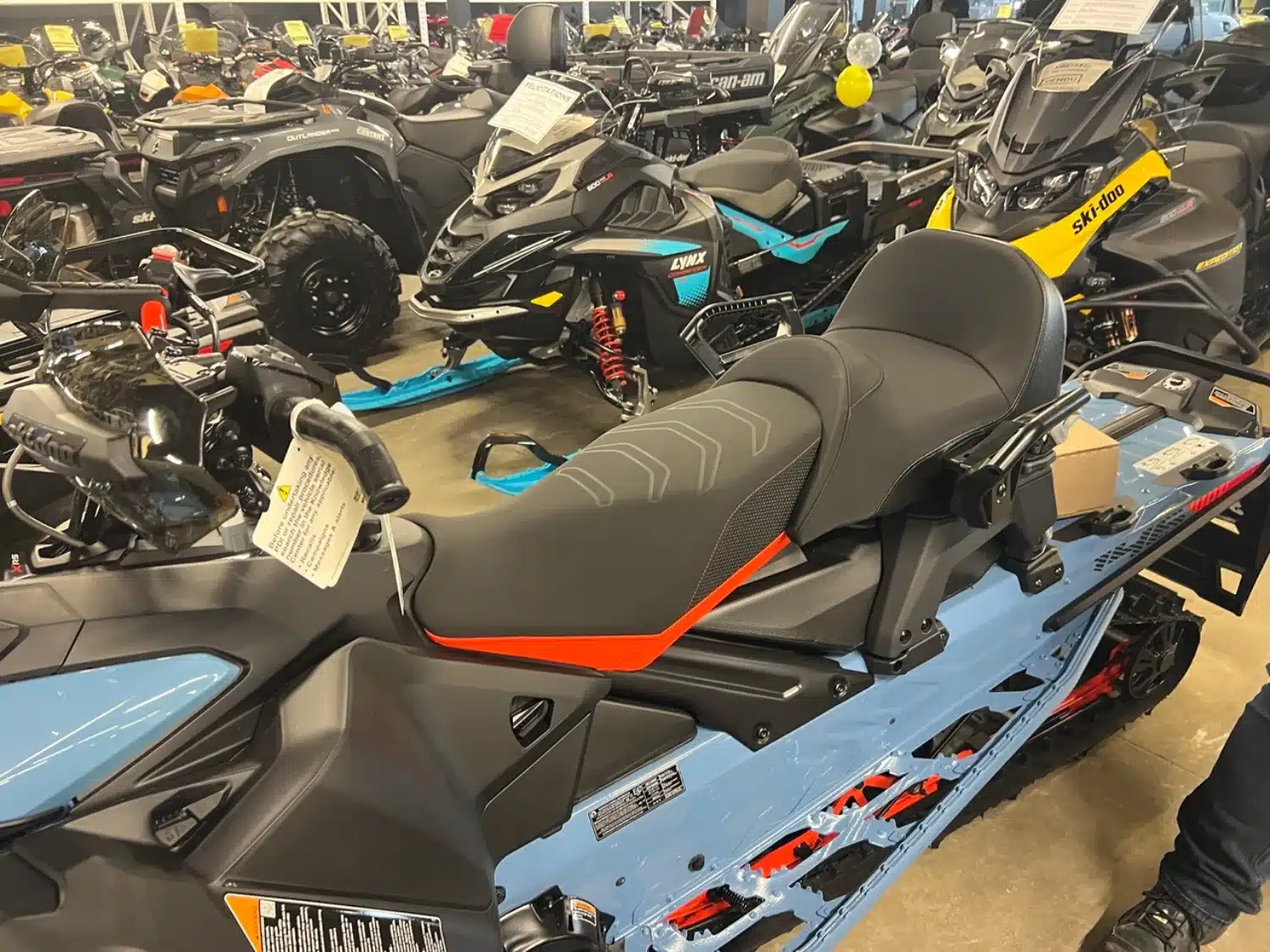
“If this is your first snowmobile, you will probably need a suit, boots, and a helmet. It’s important to keep this in mind when you’re working out your budget,” they say.
Basic equipment to purchase
After purchasing the snowmobile, acquiring access rights, taking out insurance, and paying the registration fee, there is some basic equipment you need to purchase before you can hit the trails on your snowmobile.
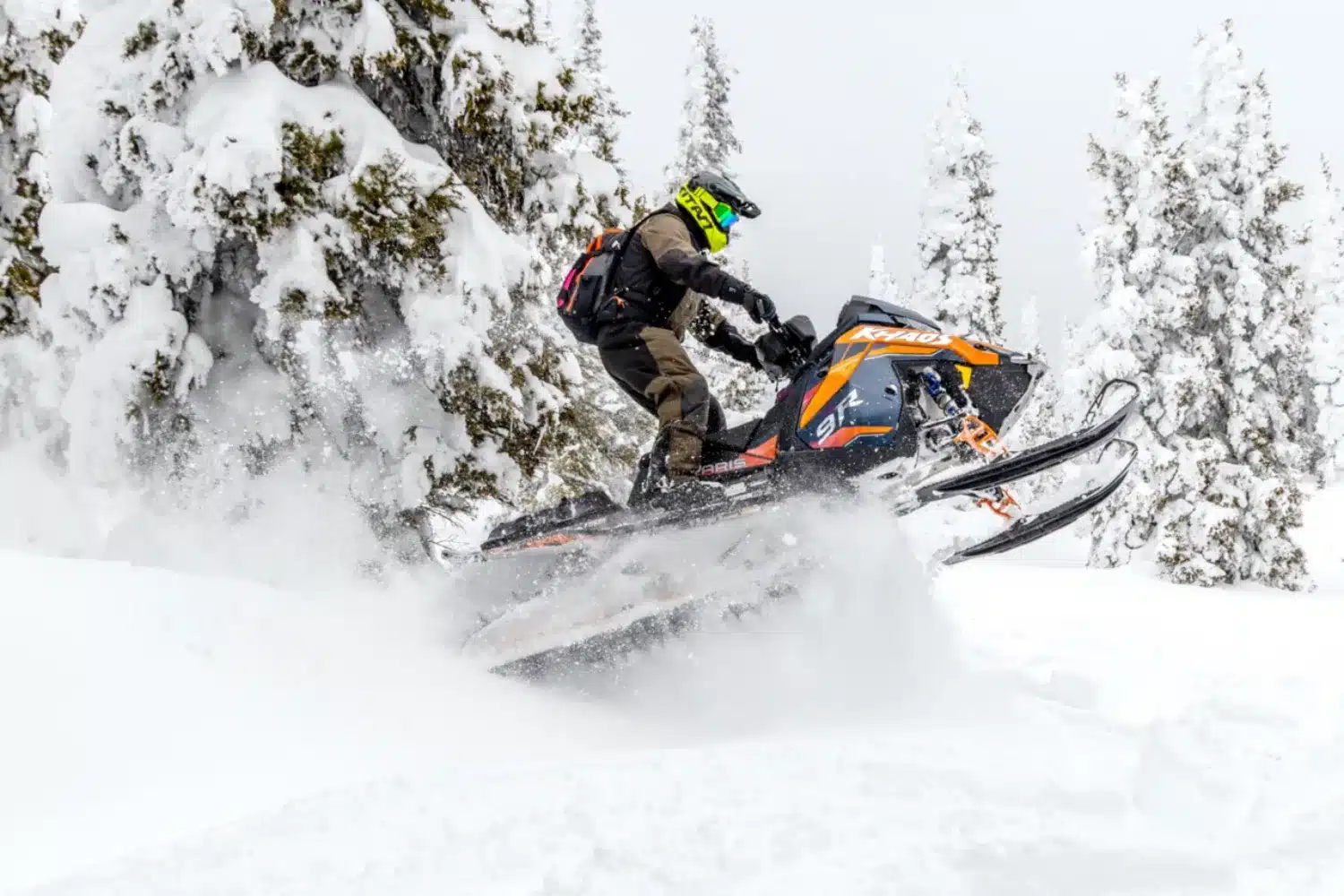
Essential basic equipment includes a full-face helmet with a visor or goggles, an insulated and waterproof jacket and pants, warm gloves or mittens, suitable winter boots, and base layers to stay dry and warm.
“Don’t forget accessories such as a neck warmer and balaclava, and always carry a survival kit with tools, food, and a means of communication for emergencies,” says AMS Oil, an authorized dealer, on its website.
Some requirements for riding a snowmobile
When riding a snowmobile, you must wear a helmet at all times. You also need a valid driver’s license if you are riding on a public road, a trail covered by the Off-Road Vehicle Act, or any other place of traffic not covered by the Highway Safety Code.
The minimum age for driving a snowmobile is 16. Drivers aged 16 and 17 must have a training certificate.
According to the SAAQ, it is prohibited to drive on public roads, except in rare cases provided for by law. “You can only cross or drive on a public road if there are road signs allowing you to do so,” the organization states.
Other expenses
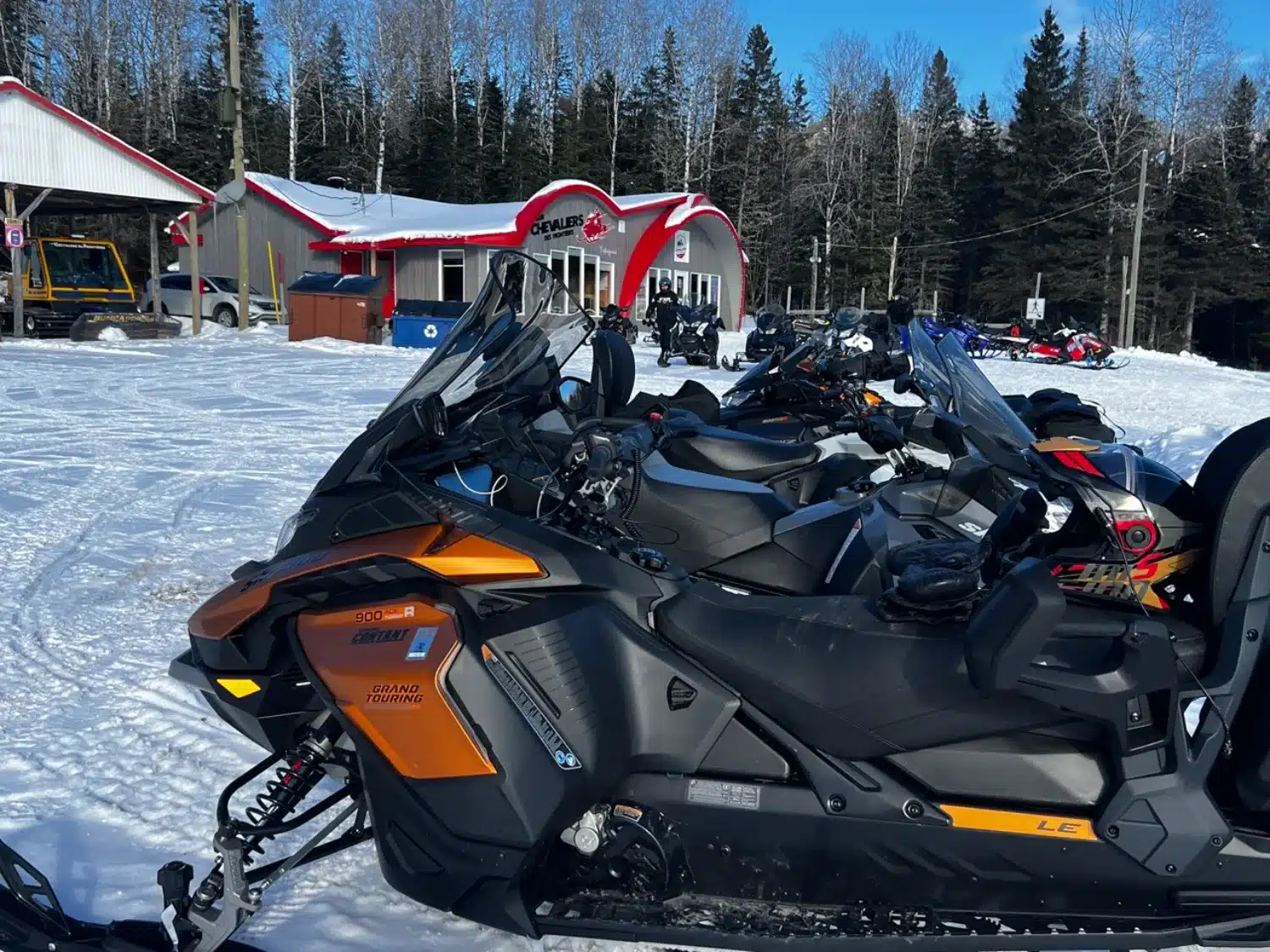
Snowmobiling also means taking trips or, at the very least, visiting snowmobile lodges that offer food and drink. A simple dinner for two can easily cost $60.00. If you add in weekend trips with one night’s accommodation for a couple, you can easily spend $500.00, even if you’re careful.
The annual budget varies greatly
It’s easy to understand that the cost of a snowmobile season can vary greatly depending on how you use the machine and the activities you plan to do during the season. The season is short, but it can be intense and full of unexpected events. That’s why it’s important to make a provisional budget that takes into account the activities you would like to do and see if it fits within your financial framework before embarking on the adventure.