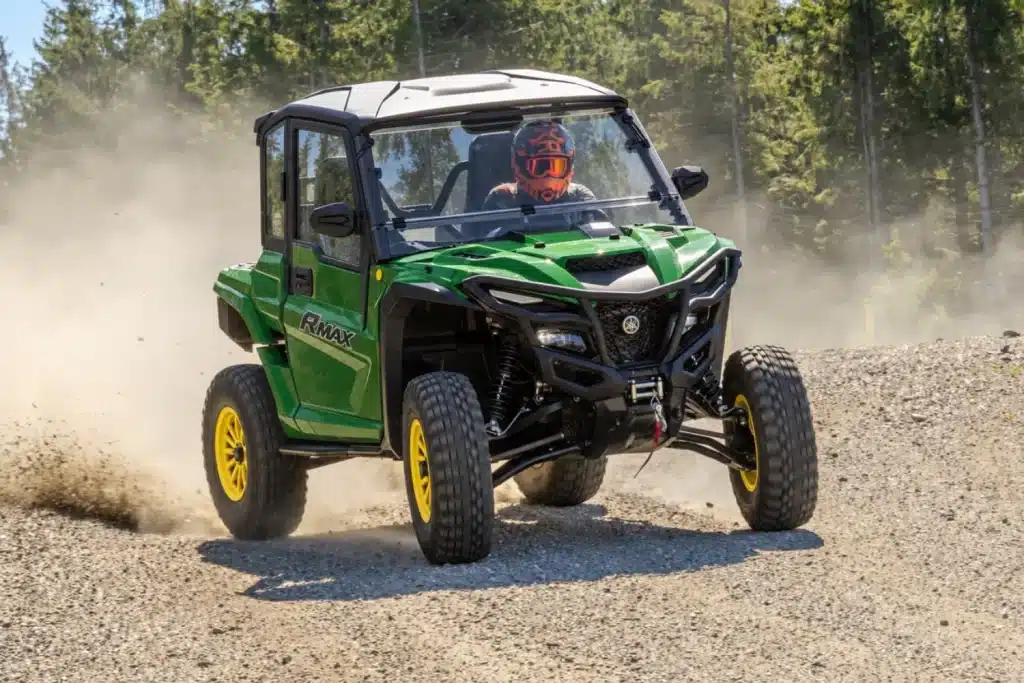
When we think of an off-road vehicle guide—whether on a quad, snowmobile, or off-road motorcycle—we often imagine someone who knows the trails by heart, riding ahead of the group and showing the way. In reality, it’s more than that.
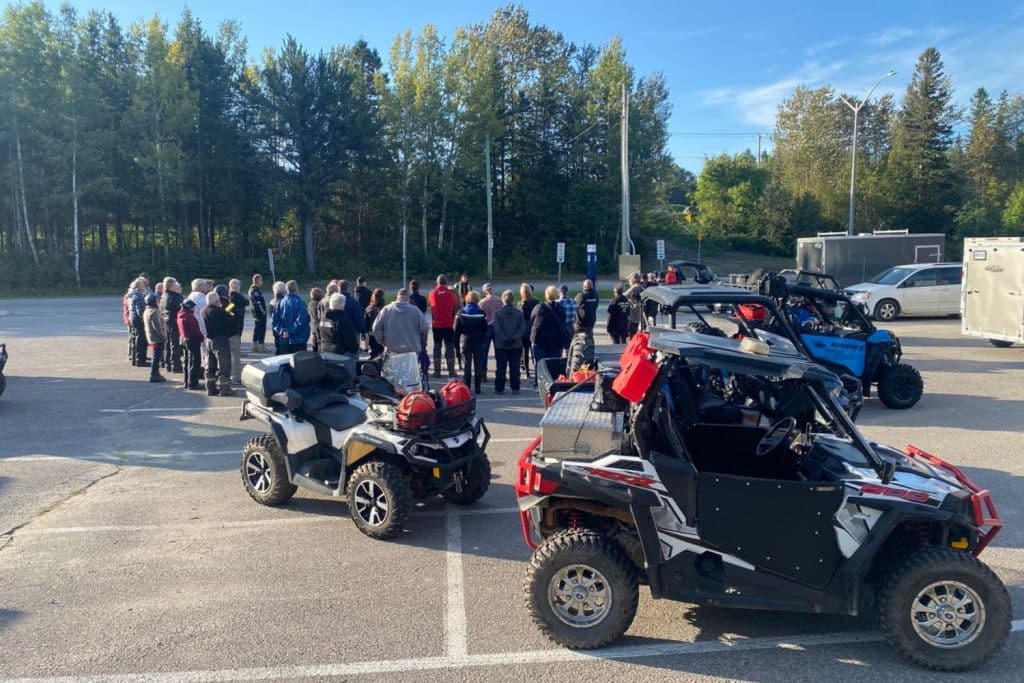
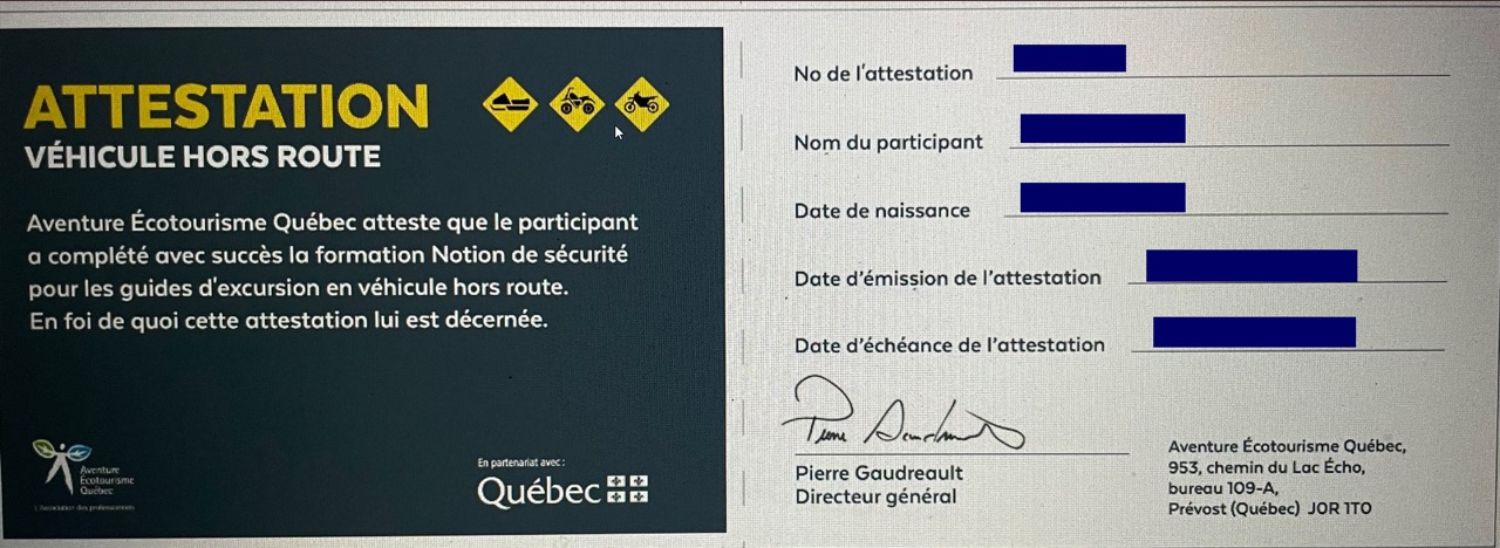
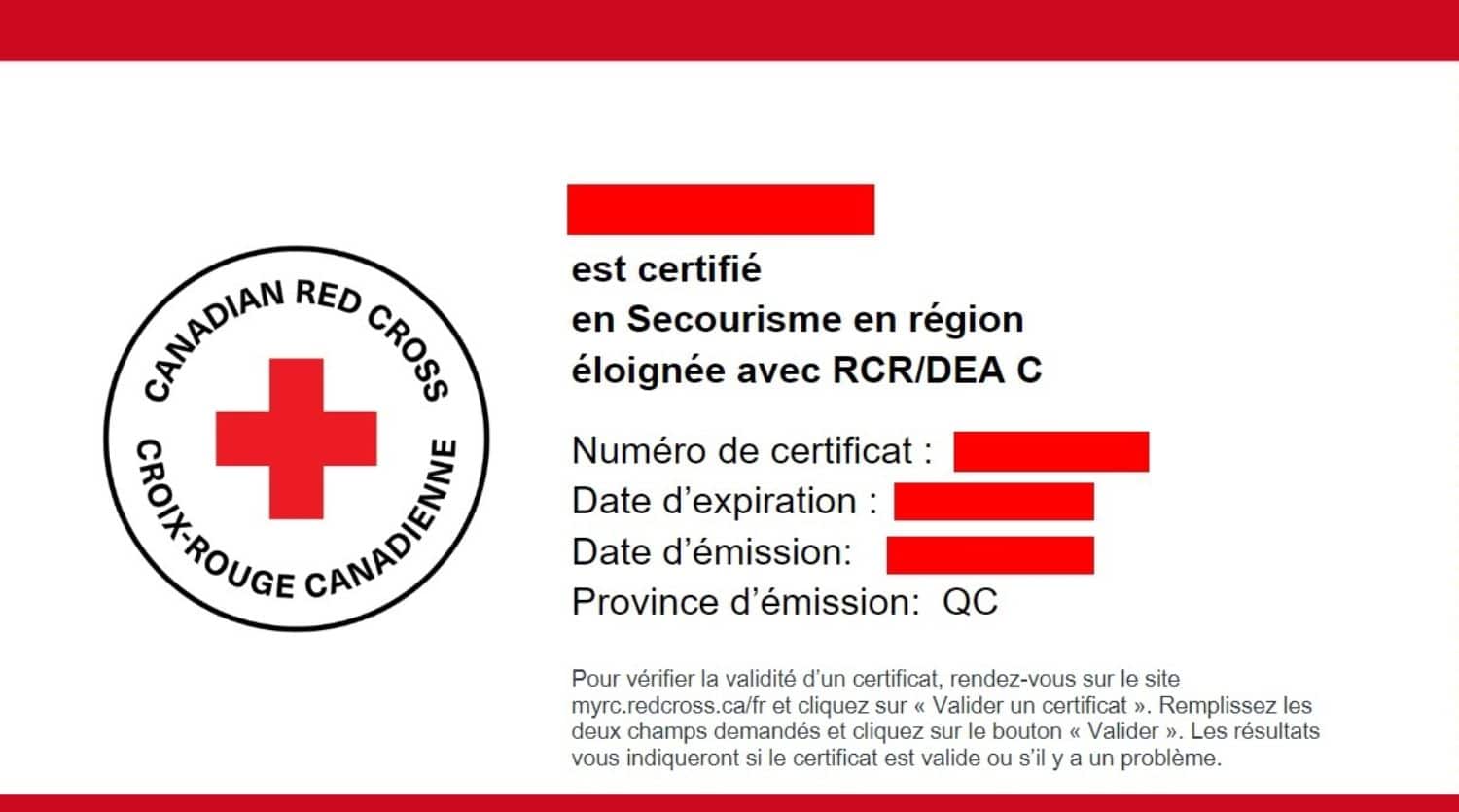
Since December 2021, the law requires anyone wishing to work as a paid off-road vehicle guide to obtain two certifications: off-road vehicle guide and remote area first aid. This requirement underscores the importance of responsibility. Indeed, the guide is responsible for the safety of participants—who are often novices—in remote environments.
The training requirement stems from a tragic event
Although efforts to make the training mandatory began before 2021, it was an accident that accelerated the process.
On January 21, 2020, five French tourists lost their lives when their snowmobiles sank into Lake Saint-Jean. According to the coroner’s investigation, the guide had decided to take a shortcut by crossing the lake directly rather than following the official trail. The outing took place at the end of the day, in the dark, and the group was running behind schedule.
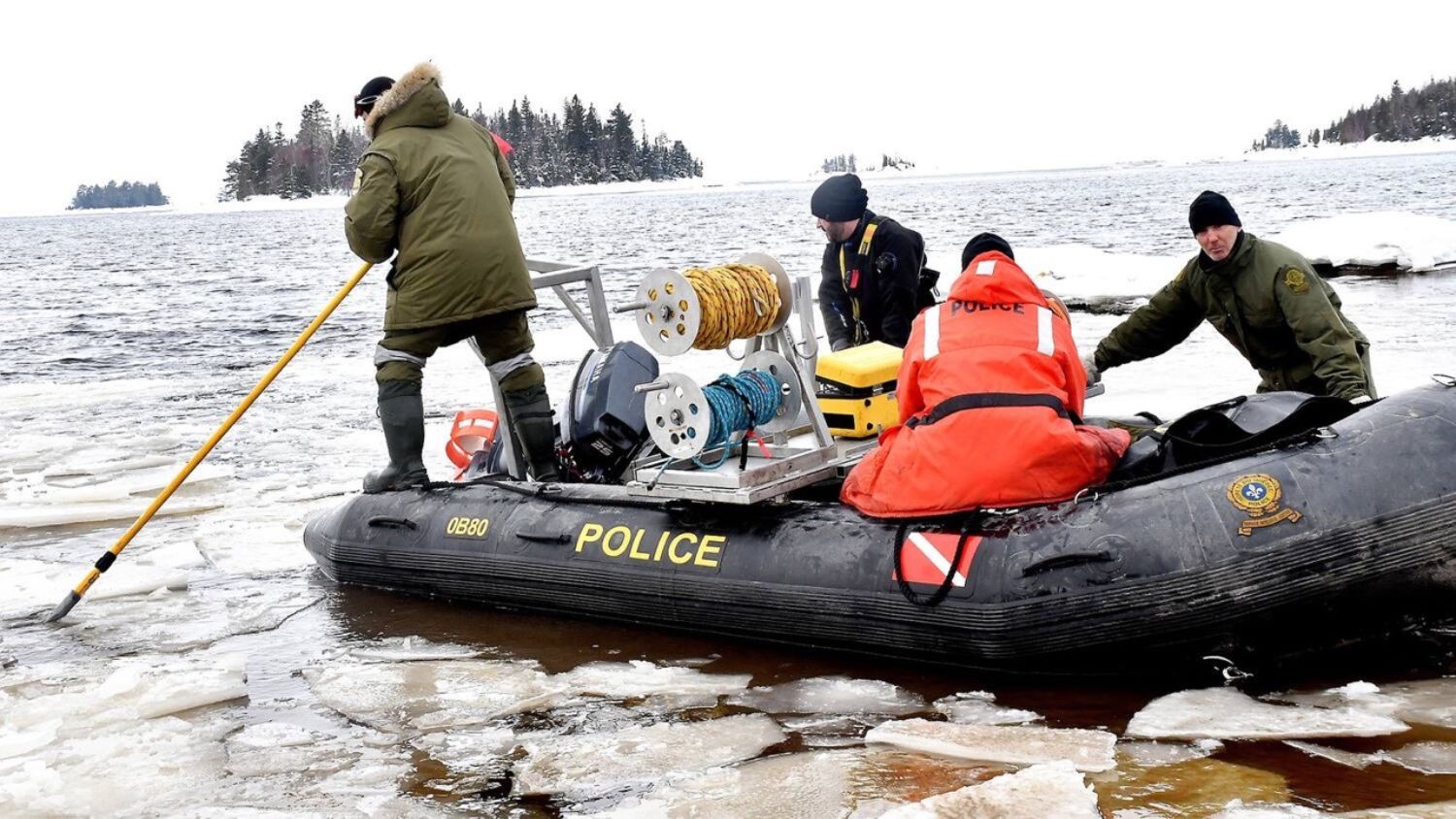
In short, seeking to return to his lodging more quickly, the guide took a risky decision on his own initiative. In fact, he left the marked trail to take the Grande-Décharge River section across the lake, near Saint-Henri-de-Taillon. This area is known for its strong currents and thin ice. This choice had fatal consequences.
Off-Road Vehicle (ORV) Guide Course Syllabus
The training lasts 17 hours and consists of 6 modules spread over 2 days. The first day runs from 8:30 a.m. to 9:15 p.m. The second day runs from 8:30 a.m. to 4:30 p.m. Lunch and dinner breaks are included.
At the end, participants must take a multiple-choice written exam. The maximum duration is two hours. The exam is closed-book, and a minimum score of 60% is required to pass. The certification is valid for 3 years. It is possible to take a renewal course, which is offered at a reduced rate and duration.
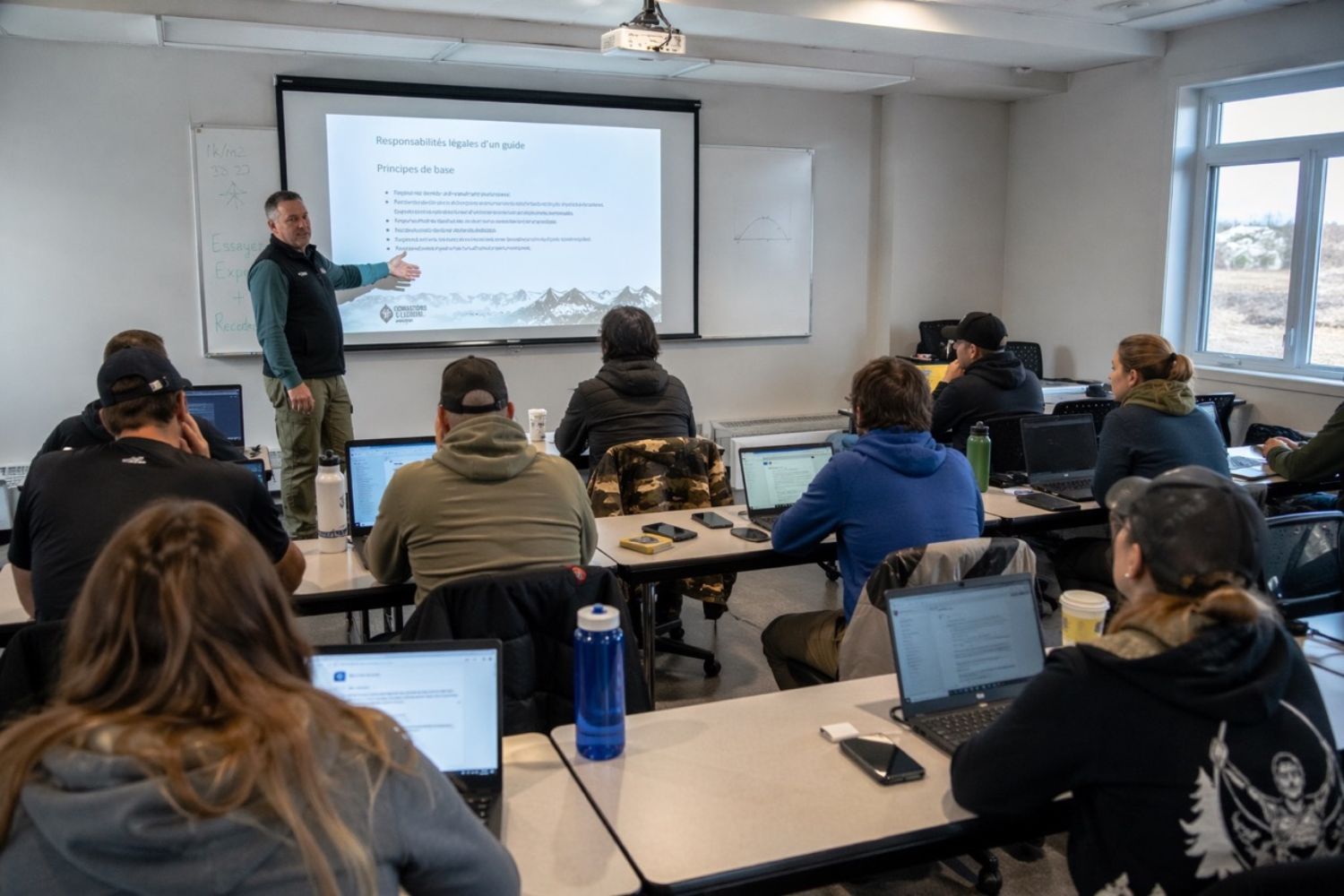
Risk Management and Guide Leadership
Participants learn the basics of risk management as well as their legal responsibilities. They develop their leadership and communication skills to effectively lead a group on an excursion. The course teaches them how to assess participants, organize a safe convoy, and adopt a preventive approach.
Strategic Planning and Operational Management
The training covers trip preparation and incident prevention. It addresses risk management and emergency plans, map use, and communications in remote areas. Guides are trained to handle various situations, such as traveling on ice and search and rescue operations, among others.
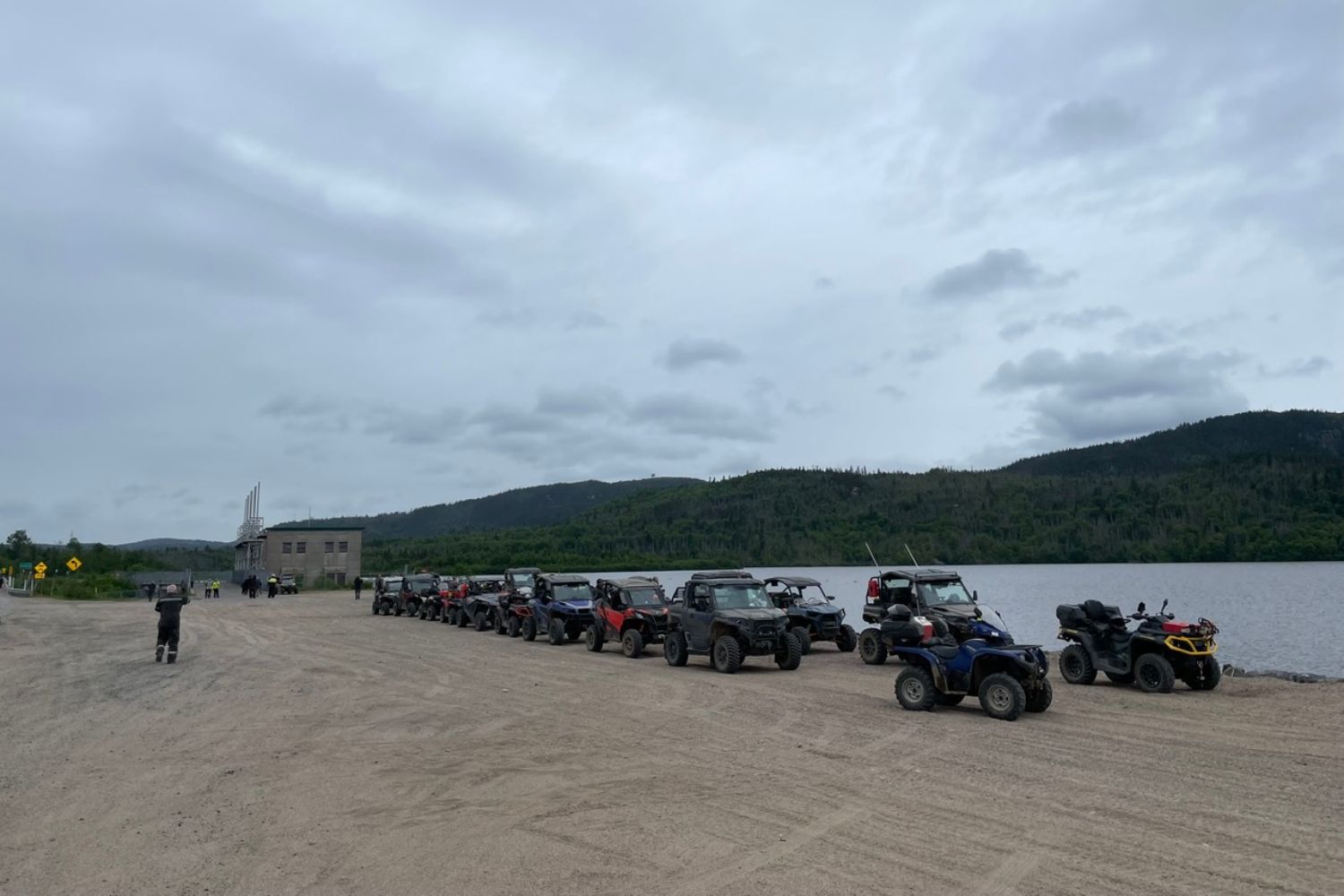
Crisis Management, Response, and Feedback
The program includes emergency scenario simulations. This component enables guides to develop their ability to make quick decisions under pressure, coordinate responses effectively, and maintain clear leadership at all times. An analysis and feedback phase, commonly known as a “debriefing,” completes the course to identify areas for improvement.
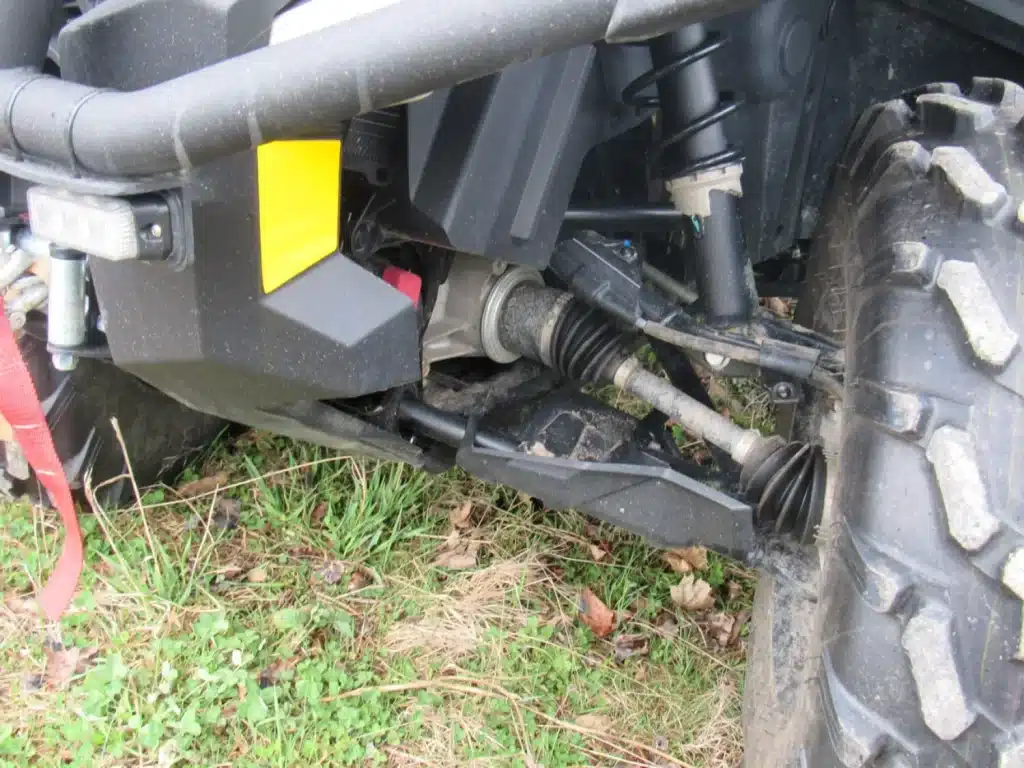
The course does not cover driving techniques or vehicle mechanics.
First Aid Course Curriculum
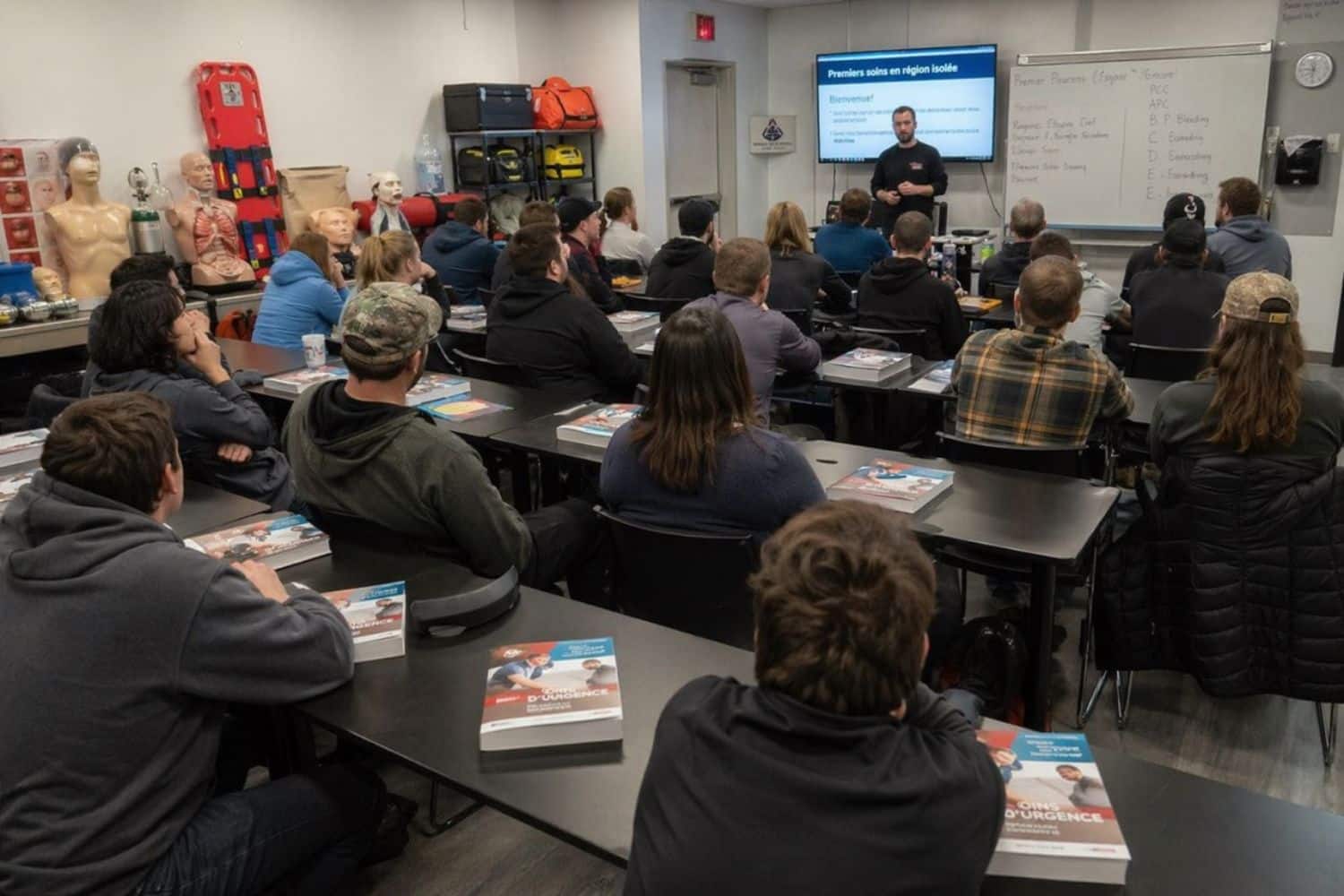
There are a few wilderness and remote first aid courses available: the 20-hour course and the 40-hour course. These courses are offered by the Canadian Red Cross as well as by SiriusMedx. An 80-hour course is also available, but this is a wilderness first responder training program. Recently, a new 16-hour course, compliant with legal requirements, has been offered by Wilderness Medical Associates International.
However, if you regularly take multi-day trips to isolated areas where emergency services may take more than a day to arrive, it is strongly recommended that you opt for the 40-hour course.
Scene Assessment and Management of Life-Threatening Emergencies
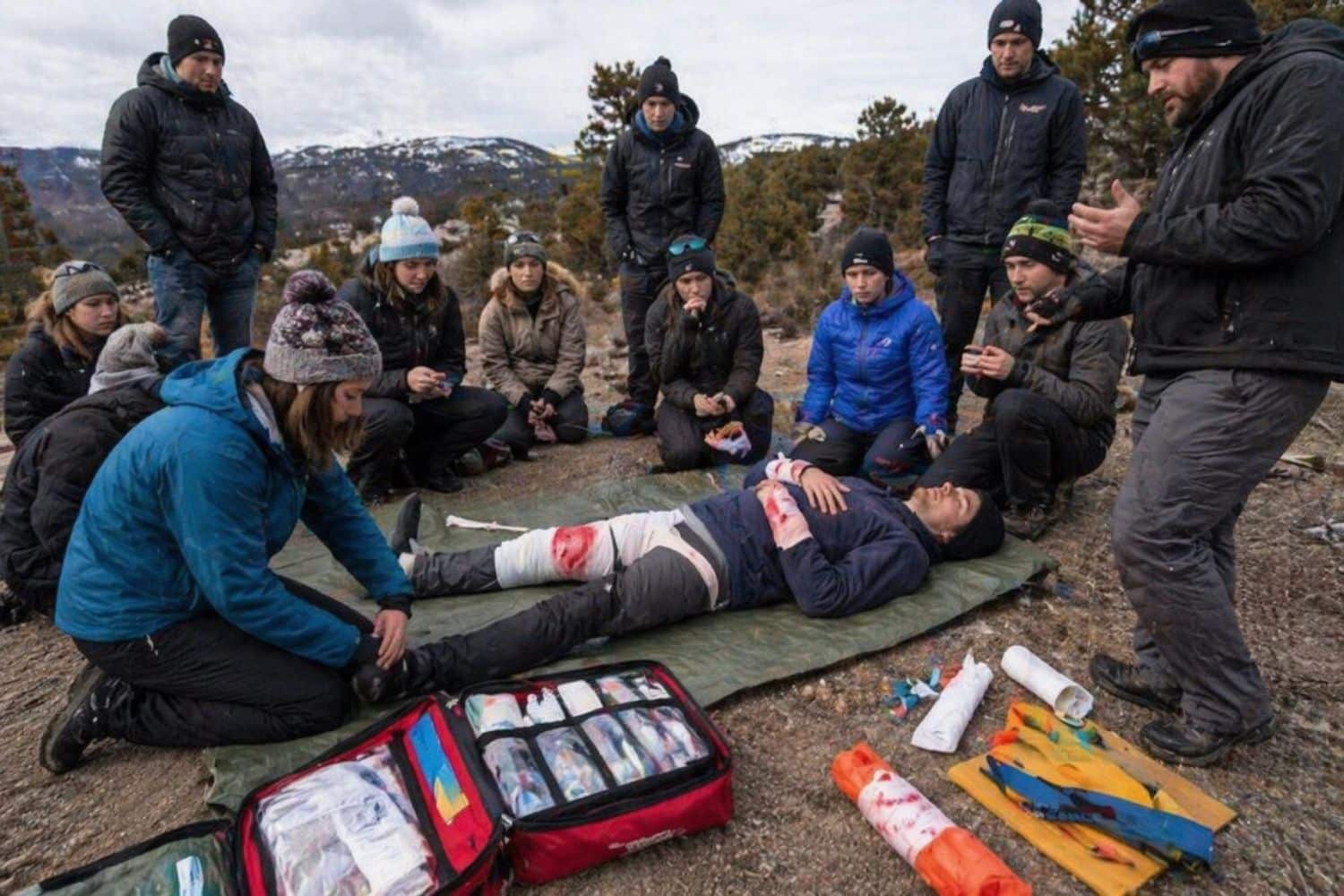
The training prepares participants to provide extended care when emergency medical services may take several hours to arrive. Unlike traditional urban first aid, part of the course takes place outdoors under realistic conditions.
Participants learn to properly assess the scene, establish response priorities, and ensure their own safety as well as that of the victims. They develop the skills to recognize life-threatening emergencies and provide first aid while taking into account resources that are often limited.
First Aid Techniques and Risk Prevention
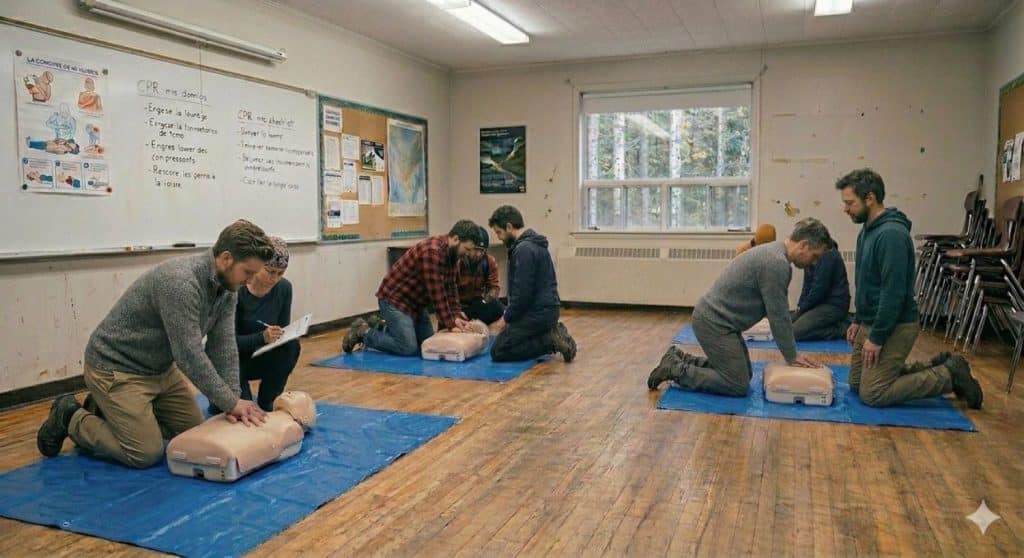
The course covers the basics of first aid. Students learn CPR, AED use, and airway management. These are essential skills to master.
The most common medical emergencies are addressed. Heart attacks, strokes, diabetes, allergic reactions, and respiratory problems. Injuries are also addressed, such as bleeding, fractures, and burns. Other related topics are covered, such as bleeding control, immobilization, and appropriate care. Risk prevention and personal protection are integrated throughout the training.
The 40-hour course goes a step further. There are more and more realistic scenarios. It covers the management of prolonged care over several days. Techniques are explored in greater depth. Decision-making in emergency situations is also developed further.
Finally, at the end of the course, there is a closed-book, multiple-choice written exam. The passing grade is 75%.
The certification is valid for 3 years, and in some cases, the entire course must be retaken upon renewal.
Conclusion
Becoming an off-road guide in Quebec means taking on a serious role. The law reminds us that every outing involves risks. The 2020 accident unfortunately demonstrated this. A bad choice can be costly. Off-road guide training helps minimize errors as much as possible. There is no such thing as zero risk. It provides concrete tools for planning, supervising, and decision-making. Guides learn to remain cautious, even when the pressure mounts.
The first aid course complements this role. In remote areas, help may be delayed. You must therefore know how to act effectively and quickly. Thus, these training programs prepare guides to handle real-life situations. They provide them with the necessary tools and strengthen their confidence and judgment.