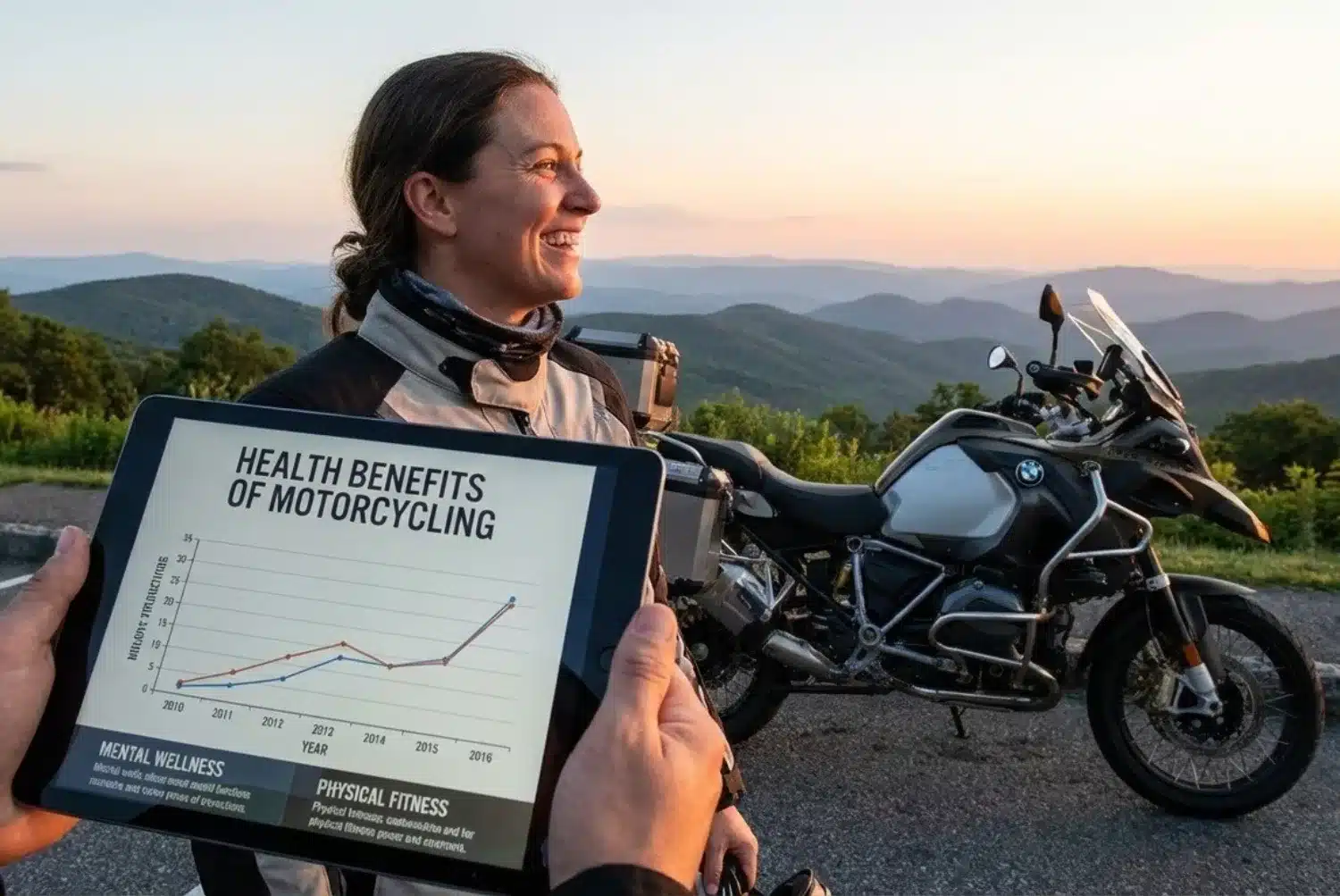
Long perceived as a hobby for enthusiasts, motorcycling is now revealing its hidden virtues thanks to scientific studies. Two major studies now allow us to quantify these benefits rigorously. On the one hand, the Semel Institute for Neuroscience and Human Behavior at UCLA, supported by Harley-Davidson, has studied the psychological impact of riding. Its findings show a significant reduction in stress and a marked improvement in mental alertness.
On the other hand, research conducted by York University in 2010, entitled “Physiological Demands of Off-Road Vehicle Riding,” provides additional insight into the physical dimension. By precisely analyzing metabolic effort and muscle strain, this study proves that motorcycling is a demanding discipline that actively contributes to maintaining physical fitness. To complete the picture, the positive impact of group leisure activities on mental health is widely recognized by organizations such as the INSPQ.
Together, these studies scientifically validate that riding a motorcycle is a complete therapy, affecting both hormonal balance and overall physical condition.
The first twenty minutes
In 2021, the Semel Institute of Neuroscience and Human Behavior at UCLA conducted a study on the benefits of motorcycling, funded by Harley-Davidson. It shows that riding a motorcycle on the road has a positive influence on the rider’s biology and neurology within the first twenty minutes of riding. The aim was to scientifically demonstrate that riding a motorcycle on the road goes far beyond simple leisure or the pursuit of thrills; it is a real active therapy for the body and mind.
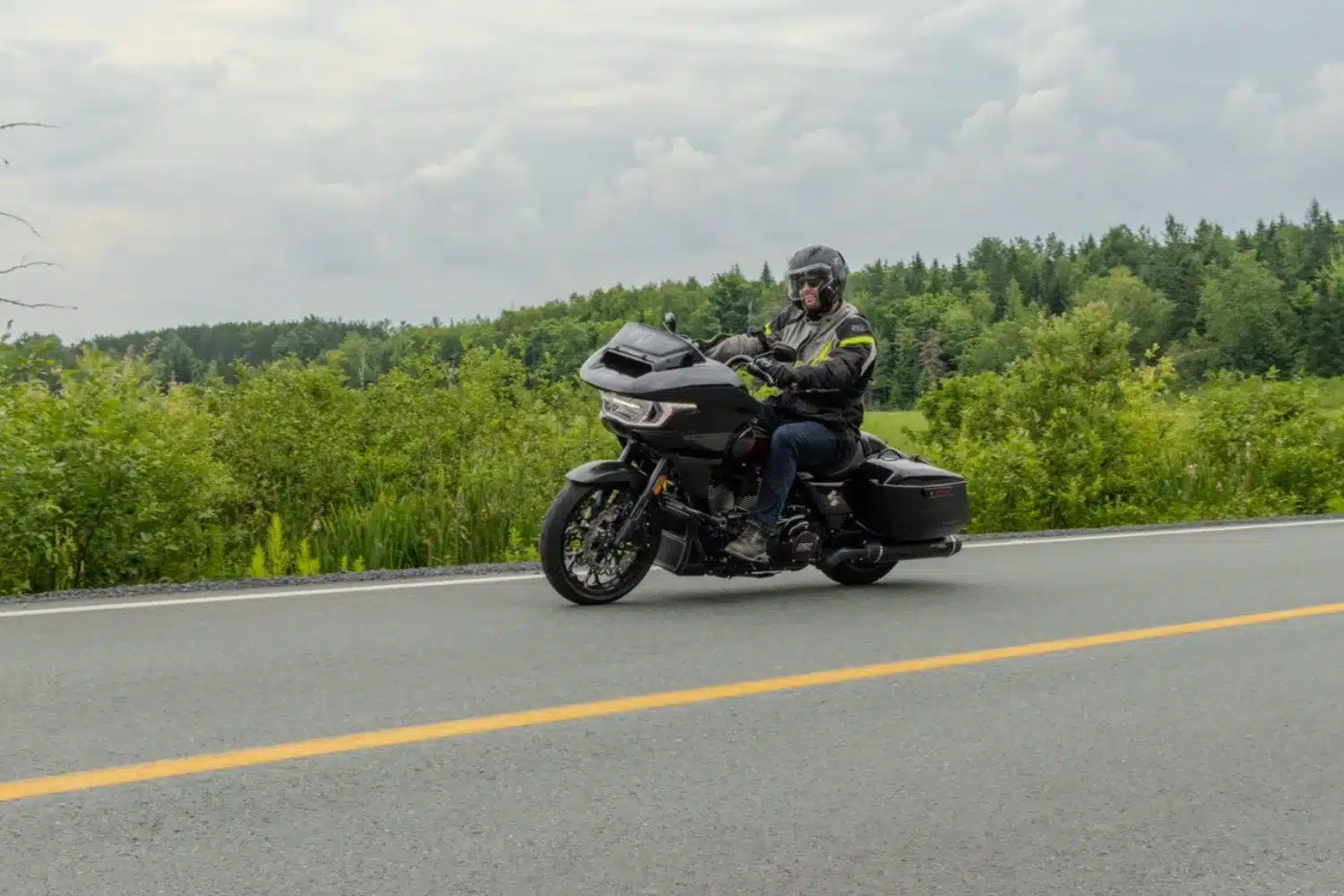
Mentally, the results are clear. By measuring the brain’s electrical activity , researchers observed a transformation in the motorcyclist’s internal state. Riding enhances visual attention and makes the brain significantly more responsive to external conditions. This increased alertness, comparable to the effects of caffeine, allows information to be processed with greater accuracy. At the same time, the rider enters a state of “flow,” a form of active meditation where all the senses are focused on the present moment. This state of alertness leads to exceptional mental clarity.
The impact on stress management is equally striking. The study reveals a dramatic 28% drop in cortisol levels. This gives the brain the ability to unconsciously monitor changes in its environment, sharpening natural alertness far beyond what is possible when driving a car or resting.
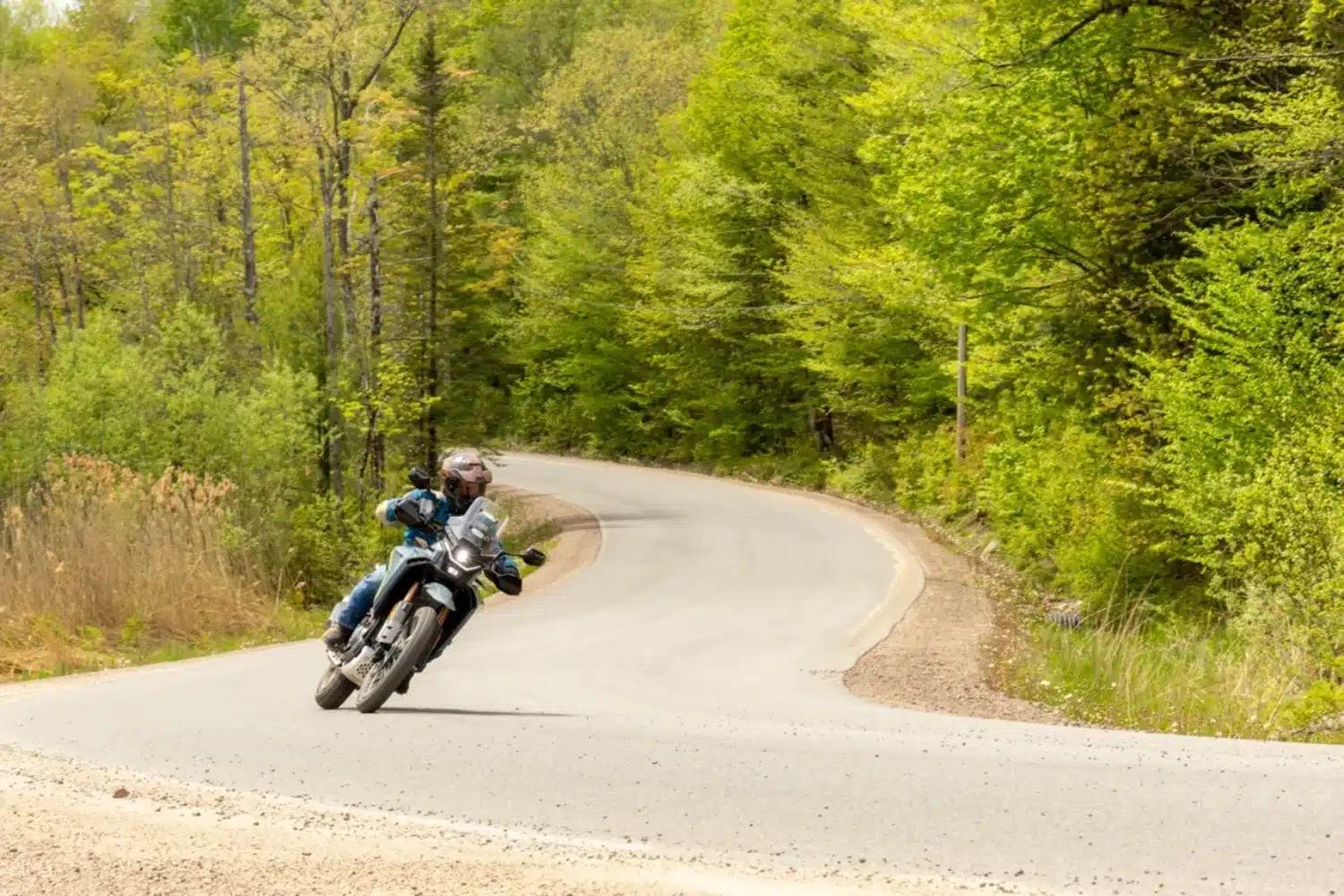
Physically, driving on the road is similar to light exercise. The use of deep muscles, combined with an 11% increase in heart rate and a 27% increase in adrenaline, tones the body. The benefits are not limited to the time spent in the saddle: the positive effects on mood and the reduction in stress markers persist for at least ten minutes after the motorcyclist has dismounted.
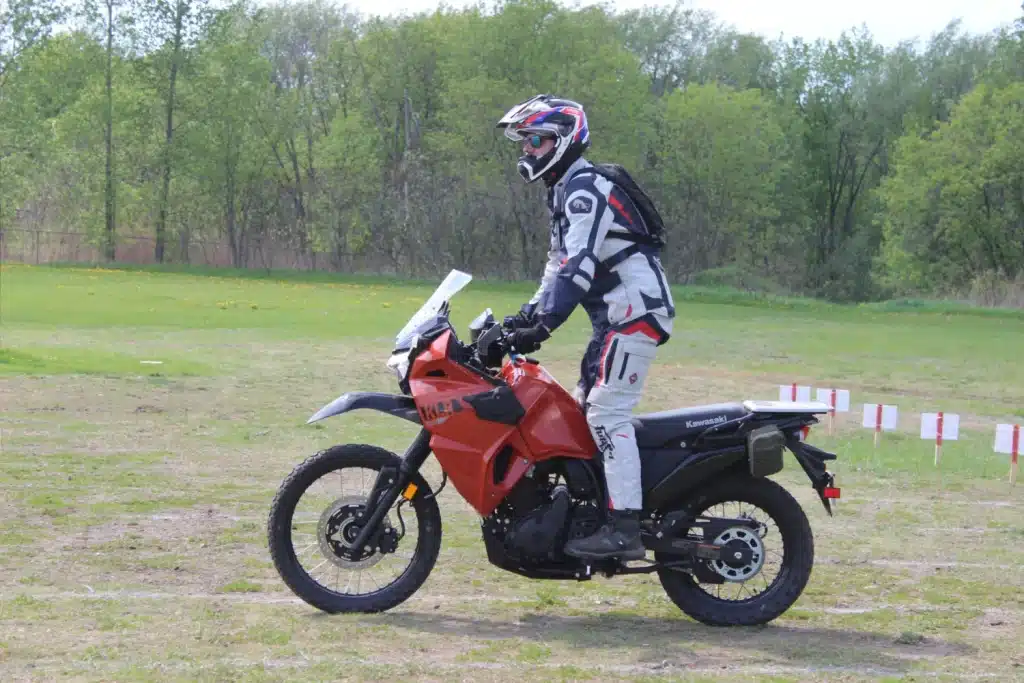
Off-road, the rhythm speeds up:
In addition, research conducted by the University of York in 2010, entitled “Physiological demands of off-road vehicle driving,” analyzed precisely the metabolic effort and muscle work required to ride a motocross or enduro motorcycle outside of competition. This study scientifically validated that this discipline actively contributes to maintaining good physical condition.
“The muscular effort is significant, particularly in the upper body.”
Research reveals a little-known fact: off-road motorcycling is a demanding physical activity that places similar demands on the body as many traditional sports, according to the “Canadian 24-Hour Movement Guidelines for Adults.”
Far from being a passive activity, it imposes physiological constraints that directly contribute to improving the overall health of the motorcyclist.
Significant cardiovascular intensity
Researchers have determined that motorcycling falls into the category of moderate to vigorous intensity activities, depending on usage. On average, a motorcyclist’s cardiovascular system is working at 141 beats per minute, which represents about 51% of their maximum aerobic capacity.
More significantly, the study reveals that nearly 40% of riding time is spent in a zone of intensity sufficient to induce real gains in cardiorespiratory endurance. The measured oxygen consumption level (approximately 6 MET) places motorcycling on a par with exercises such as light jogging or recreational swimming, thus meeting public health recommendations for the prevention of chronic diseases.
Muscle strain and endurance
The most physical aspect of riding is the constant control of the motorcycle. Tests conducted before and after exercise show significant muscle fatigue, particularly in the upper limbs. Hand grip strength and arm push strength are heavily used to stabilize the motorcycle, absorb uneven terrain, and maneuver through technical passages.
This constant interaction between man and machine acts as resistance training. The motorcyclist must use their stabilizing muscles (core and abdominals) to maintain balance, which develops specific muscular endurance in the upper body.
A real metabolic impact
Metabolically, the study confirms significant calorie expenditure. Oxygen consumption is six times higher than at rest, proving that the effort required is not only related to mental concentration, but also to actual physical energy expenditure.
An ally against depression
More than just a sport, motorcycling acts as a real driver of psychological health. By encouraging group outings, it reinforces social well-being, which the INSPQ considers an essential lever for countering anxiety. Being outdoors exposes motorcyclists to natural light, which is a valuable ally against depression, according to Pinchasov’s research. This contact with nature lowers cortisol levels, while riding releases a cocktail of dopamine and endorphins, calming the mind while energizing the body.
In summary, this study shows that riding a motorcycle, whether on the road or on trails, is a real health remedy. By stimulating the brain while calming stress, motorcycling becomes an excellent way to boost morale and tone the body.