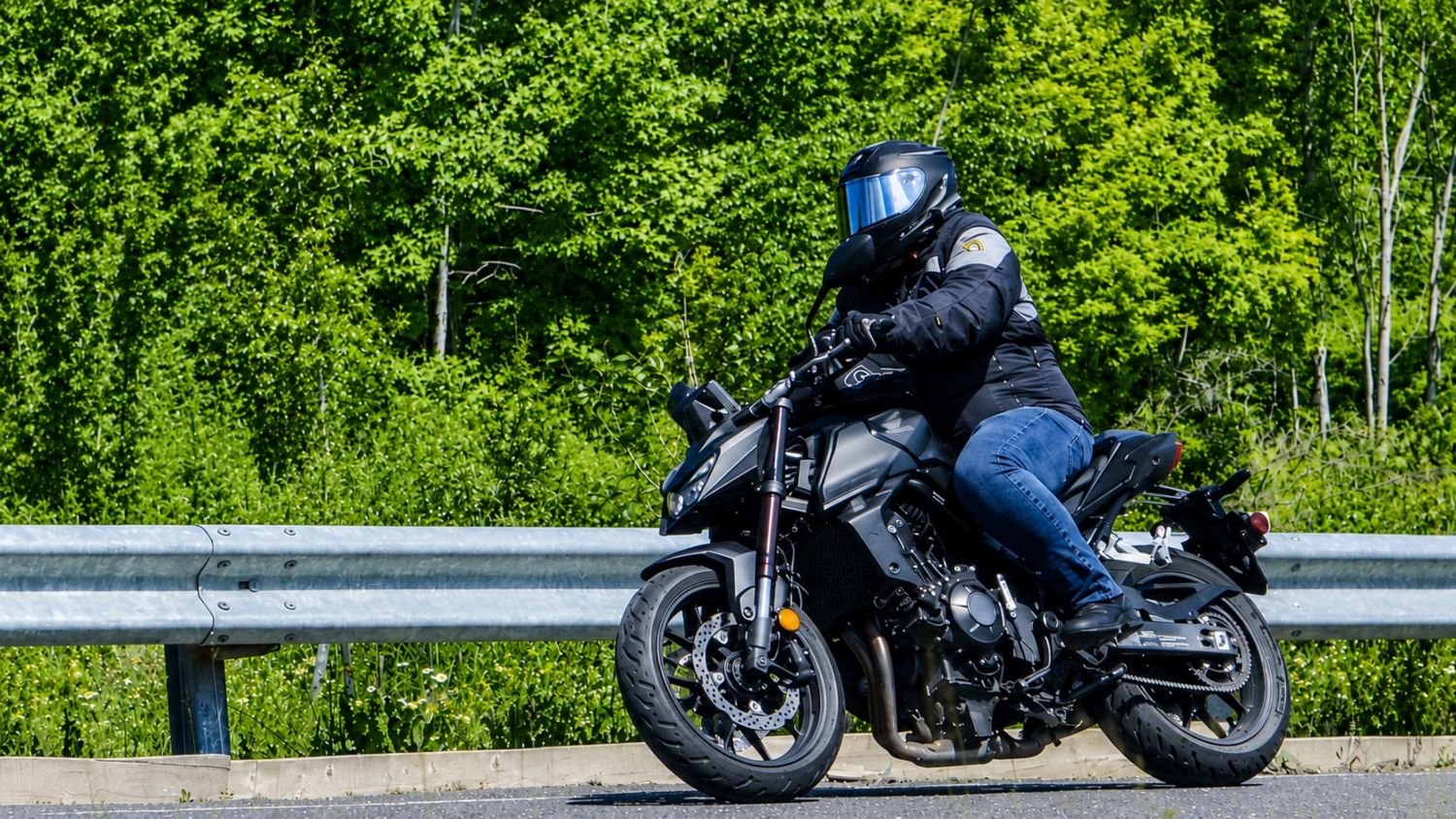
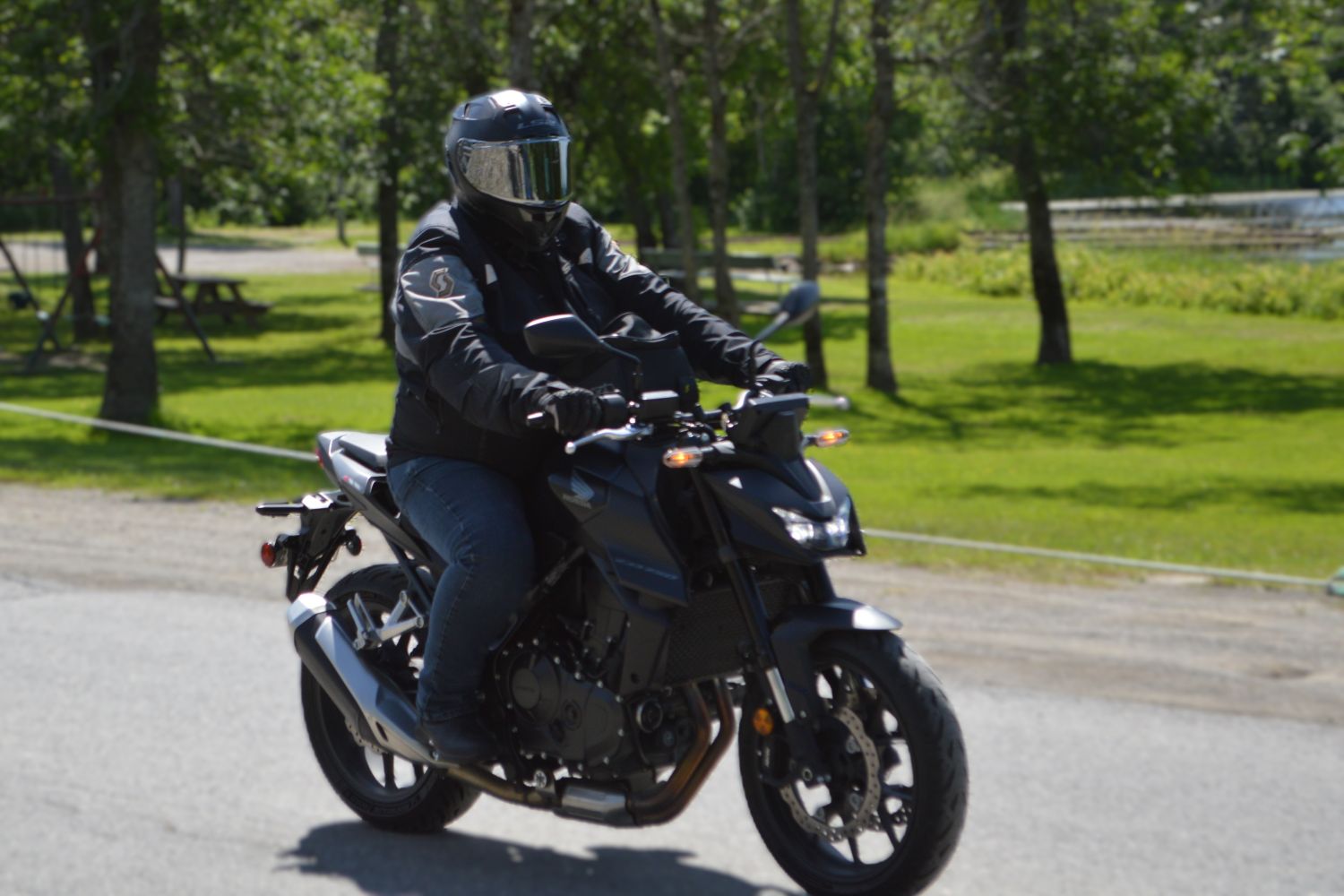
Some motorcycles roll into a parking lot making so much noise that you know they have arrived before you even see them. And then there is the 2026 Honda CB750, which prefers a slightly more subtle approach.
It doesn’t need to make you believe it can reach the moon in third gear. It doesn’t need a gigantic engine or a spec sheet that reads like a MotoGP rider’s résumé.
It simply wants to be fun.
And after a few kilometres in the saddle, you quickly realize that Honda has nailed it.
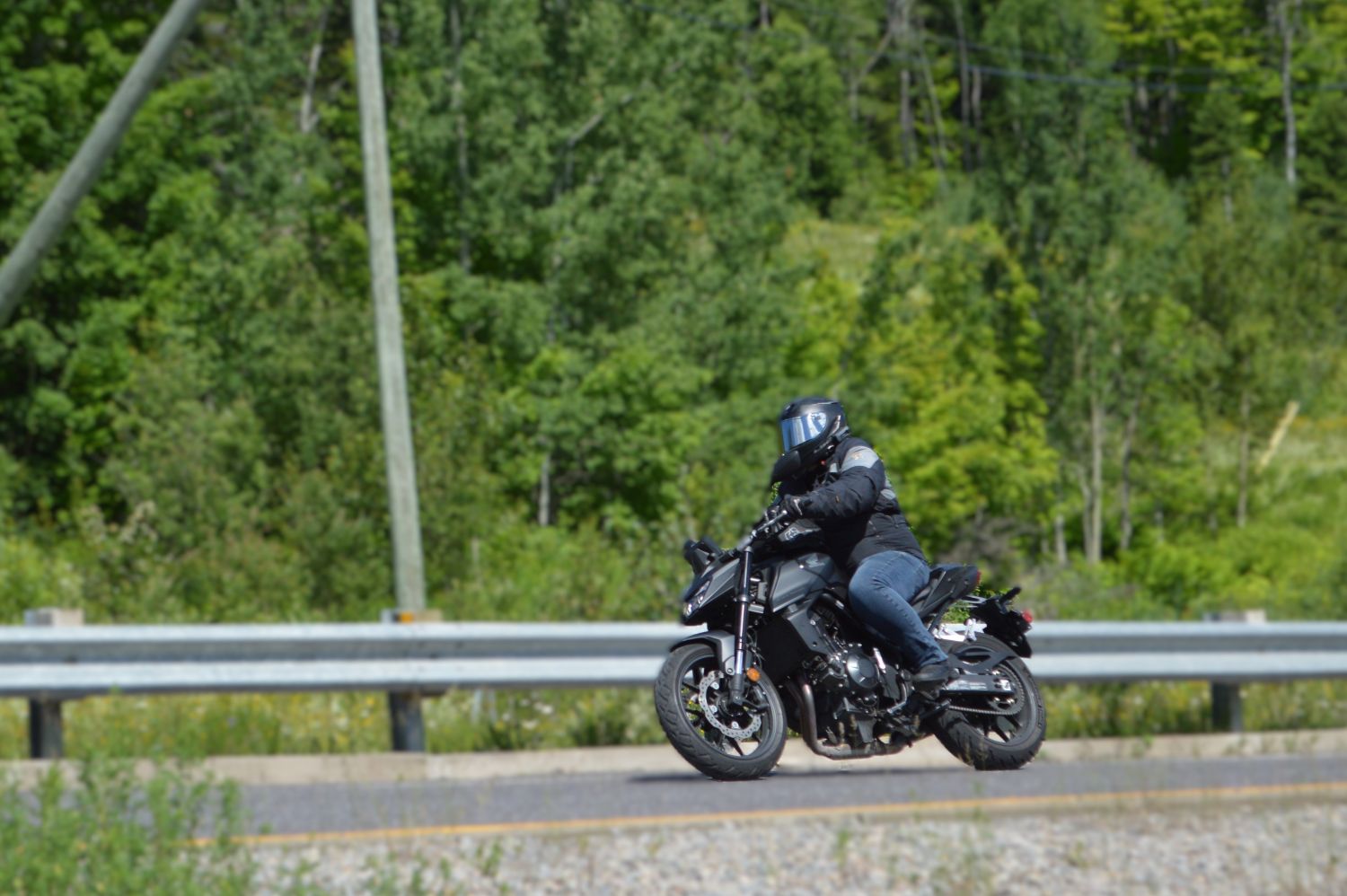
The 2026 CB750 is a modern, accessible and particularly versatile motorcycle, powered by an engine worth taking a closer look at: a 755 cc parallel twin, the same engine platform found in the 2026 Honda XL750 Transalp.
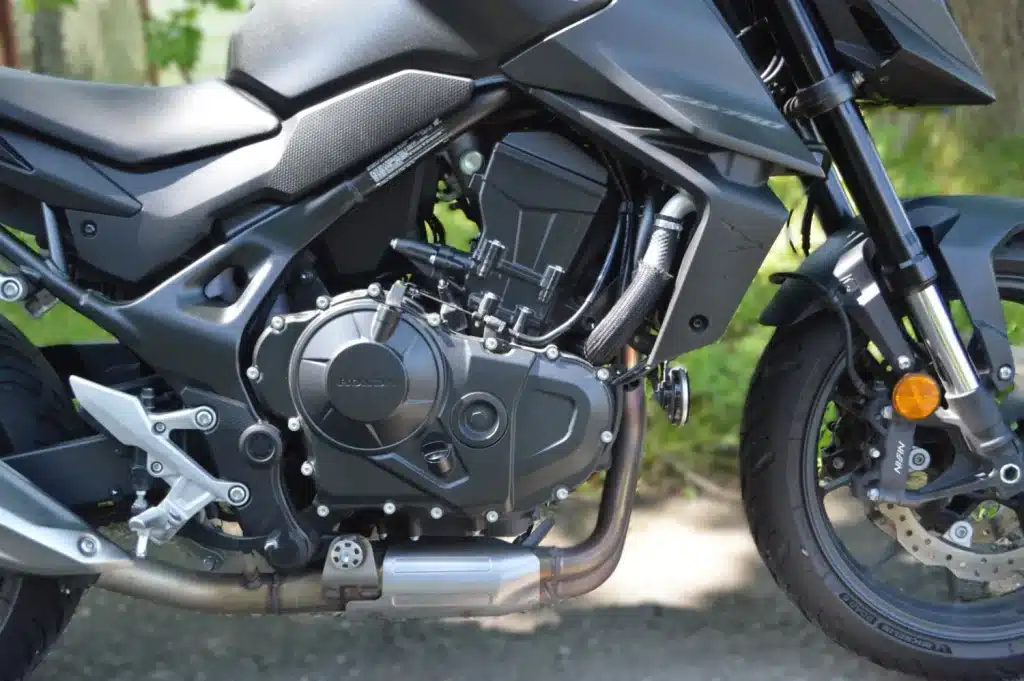
And contrary to what its name might suggest, the CB750 is not the direct mechanical descendant of the famous four-cylinder CB750s that helped shape Honda’s history. Here, “750” is primarily a reference to displacement. Its character is completely different.
An Engine with Character
Let’s start with what sits between our legs. The 755 cc parallel twin is a modern and particularly interesting engine. It uses eight-valve Unicam technology, with an 87 mm bore and a 63.5 mm stroke. Its crankshaft is set at 270 degrees, which helps give it a personality that is very different from a traditional four-cylinder engine.
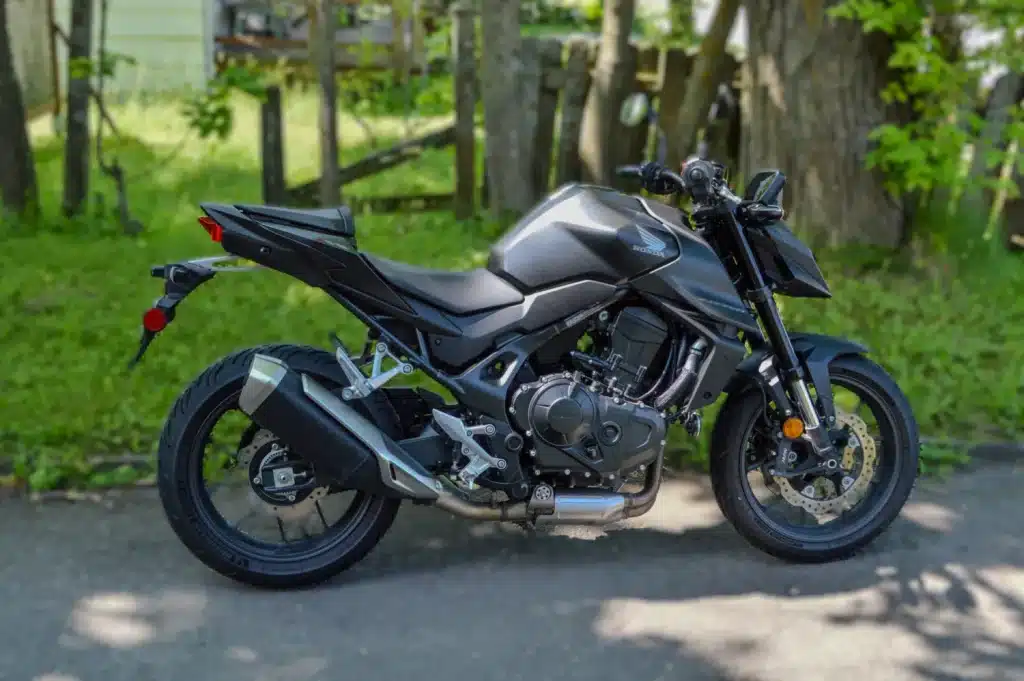
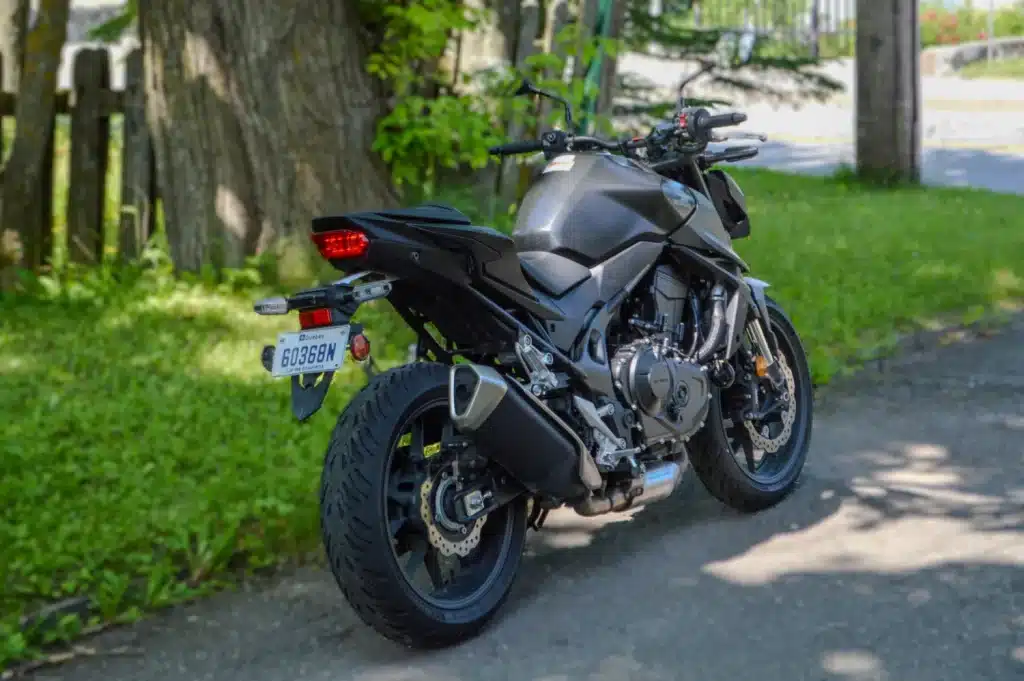
Maximum output reaches 91.8 horsepower at 9,500 rpm, while peak torque of 75 Nm arrives at 7,250 rpm. On paper, that may sound fairly reasonable. On the road, it is another story.
The engine responds nicely from low rpm and becomes genuinely energetic when you open the throttle further. There is enough torque to drive enthusiastically out of a corner without having to downshift four gears and say a prayer.
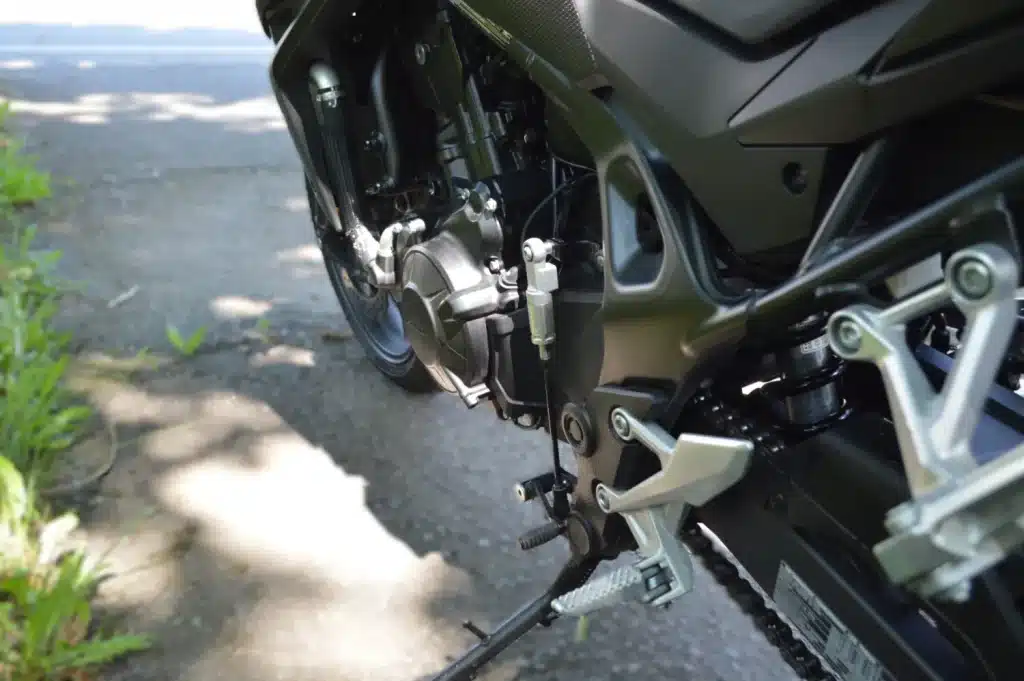
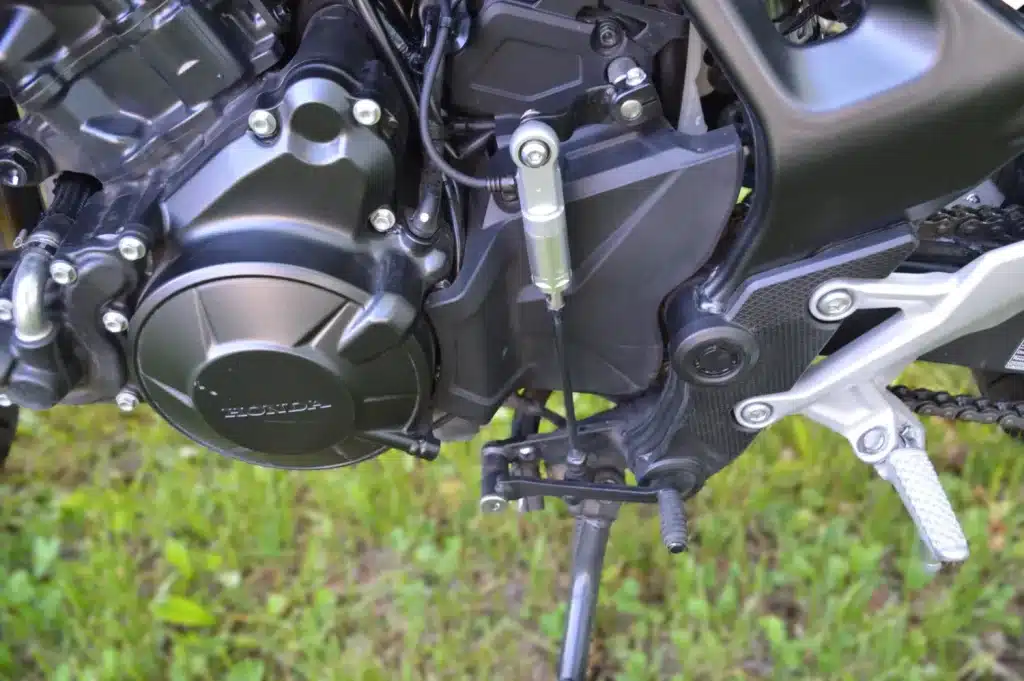
And as the revs climb, the engine changes personality.
The twin starts pulling seriously and delivers a sense of urgency that perfectly suits the CB750’s character.
In short, this engine doesn’t need two extra cylinders to let you know it is wide awake.
The Same Heart as the Transalp
For anyone familiar with the Honda Transalp, the family connection is obvious.
Honda uses the same basic engine platform in the 2026 Transalp. The adventure model also receives the 755 cc parallel twin, producing 91.8 horsepower and 75 Nm.
The differences lie mainly in the tuning and the environment in which the engine operates.
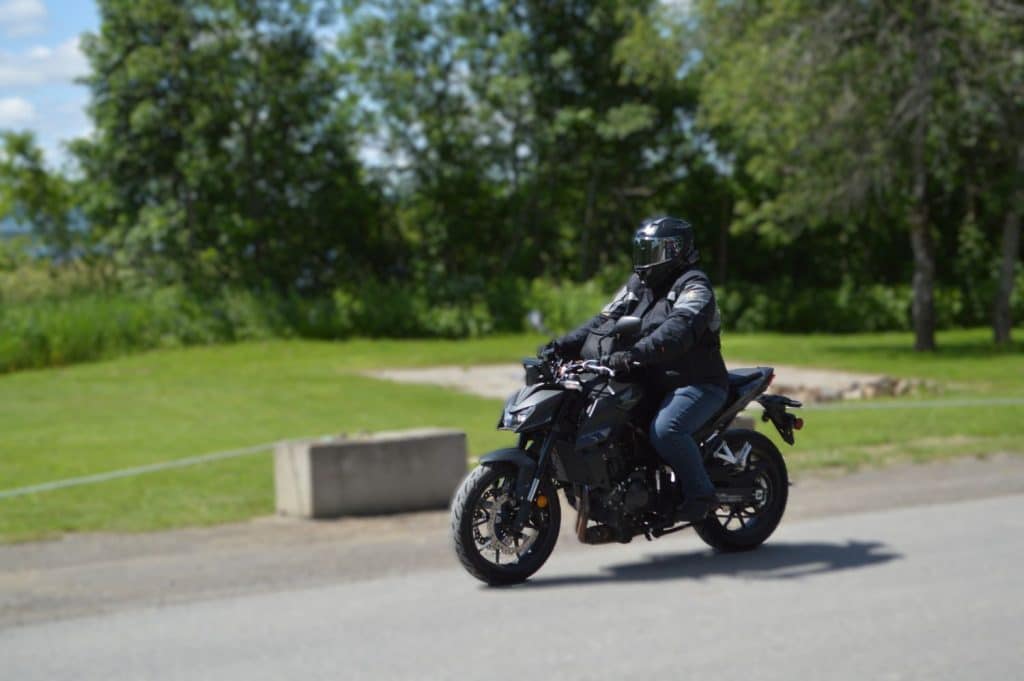
In the Transalp, Honda places more emphasis on touring and comfort. In the CB750, the character is much more focused on having fun on pavement.
And that is where the CB750 becomes particularly interesting.
It takes an already very versatile engine and places it in a more compact, lighter machine that is far more focused on road-going sensations.
It is a bit like taking a good steak, removing the sauce, vegetables and potatoes, and saying: “Okay, now we’re really going to taste the steak.”
A Chassis That Inspires Confidence
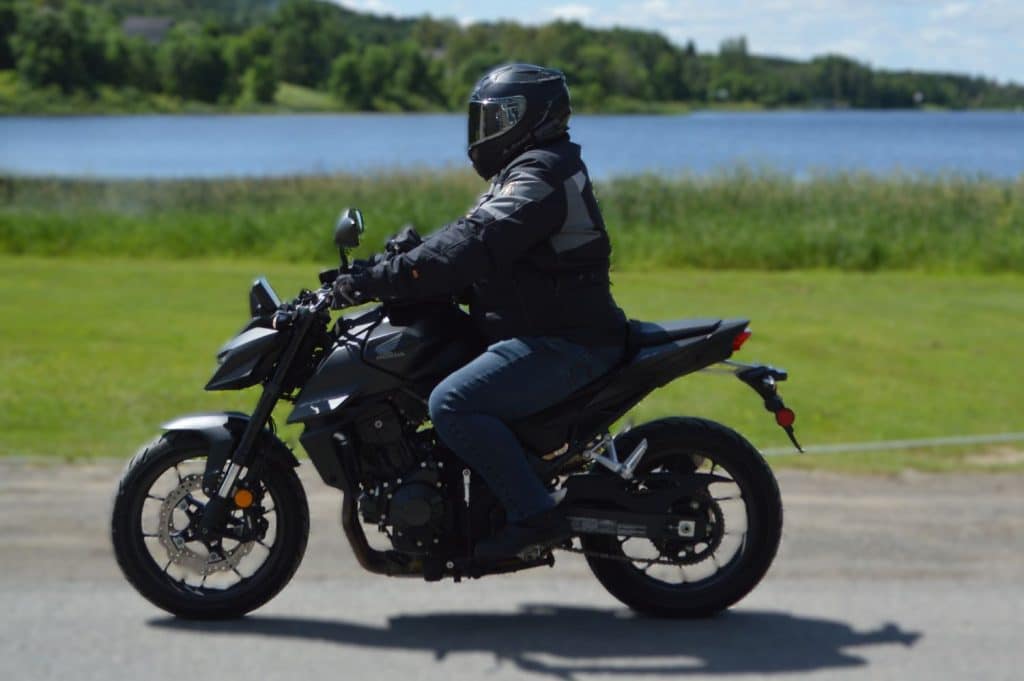
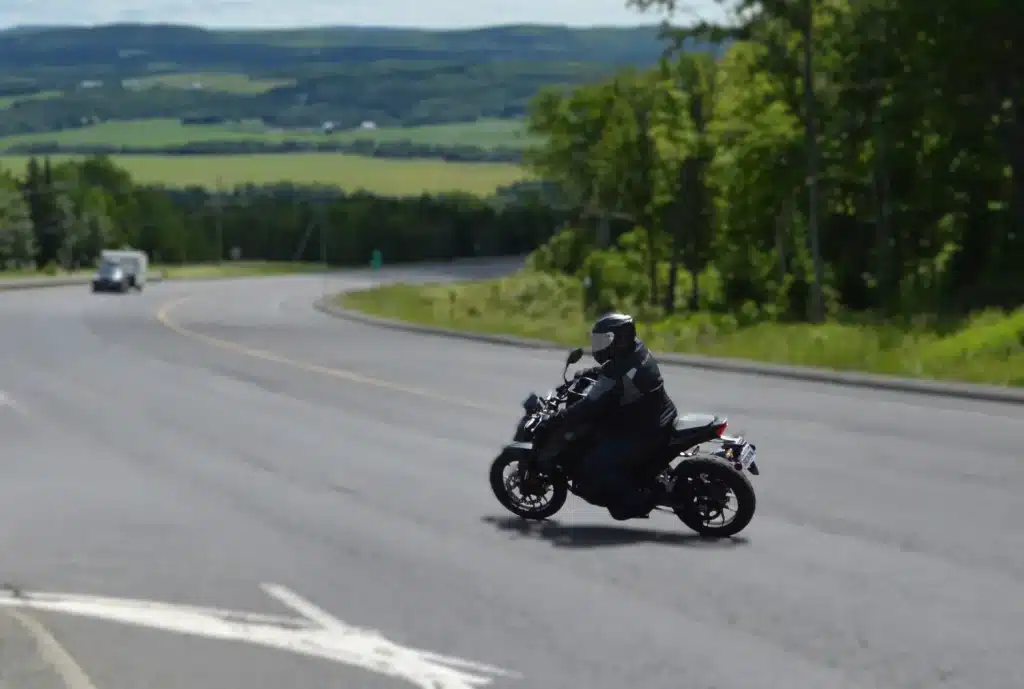
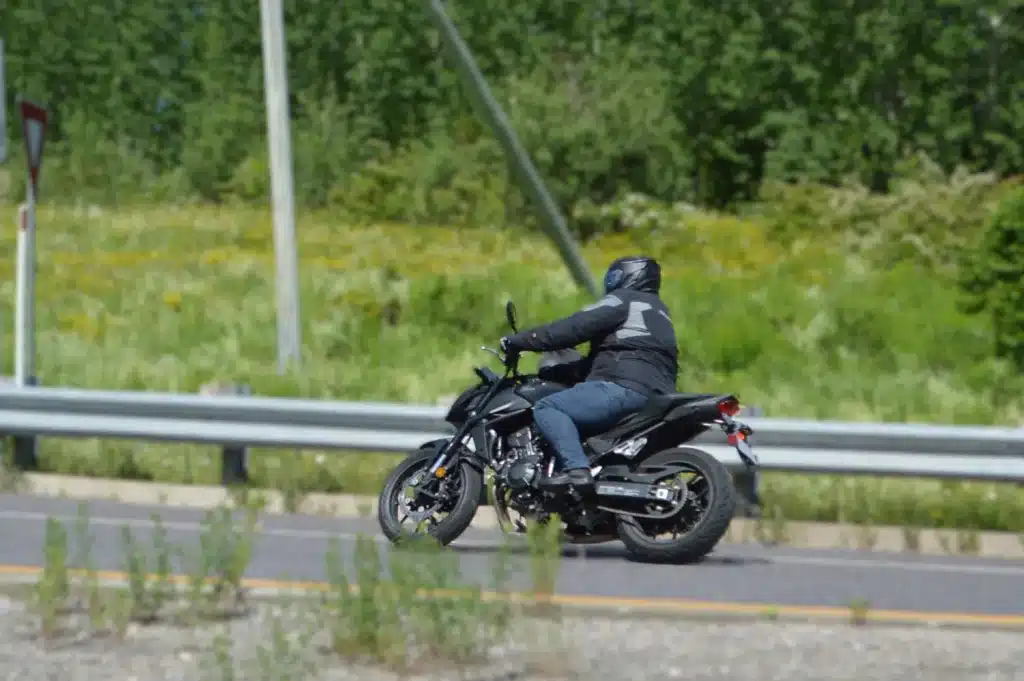
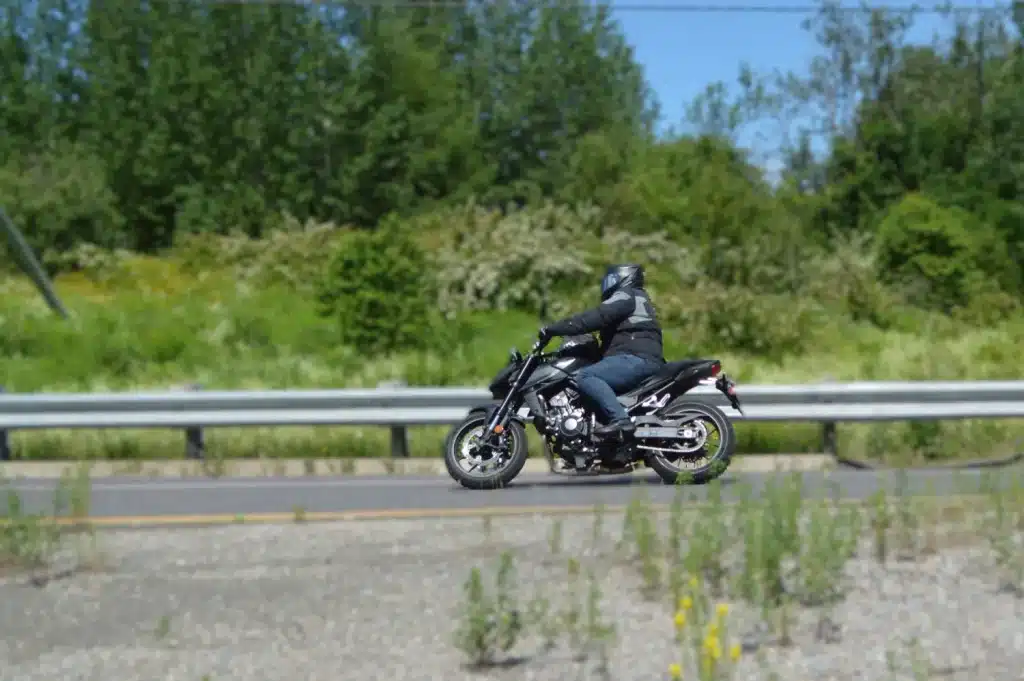
The 2026 CB750 has handling that quickly inspires confidence. The riding position feels natural, the handlebar provides good control, and the motorcycle is easy to place through corners.
With a relatively short wheelbase and geometry designed for agility, the CB750 quickly makes you want to find the next series of bends. And in Quebec, they are not necessarily difficult to find.
Sometimes all it takes is leaving a main road to discover a small secondary road where the pavement has more repairs than the rider has grey hairs. That is exactly the kind of place where the CB750 feels at home. It is agile, predictable and easy to correct mid-corner. The motorcycle never feels as though it is trying to impose its will on you. Instead, it lets you work with it.
Is 91 Horsepower Enough?
The question always comes up.
“How much horsepower?”
As if a motorcycle were automatically better because it could produce enough power to outrun a Boeing 737. Yet with 91.8 horsepower, the CB750 is very far from underpowered.
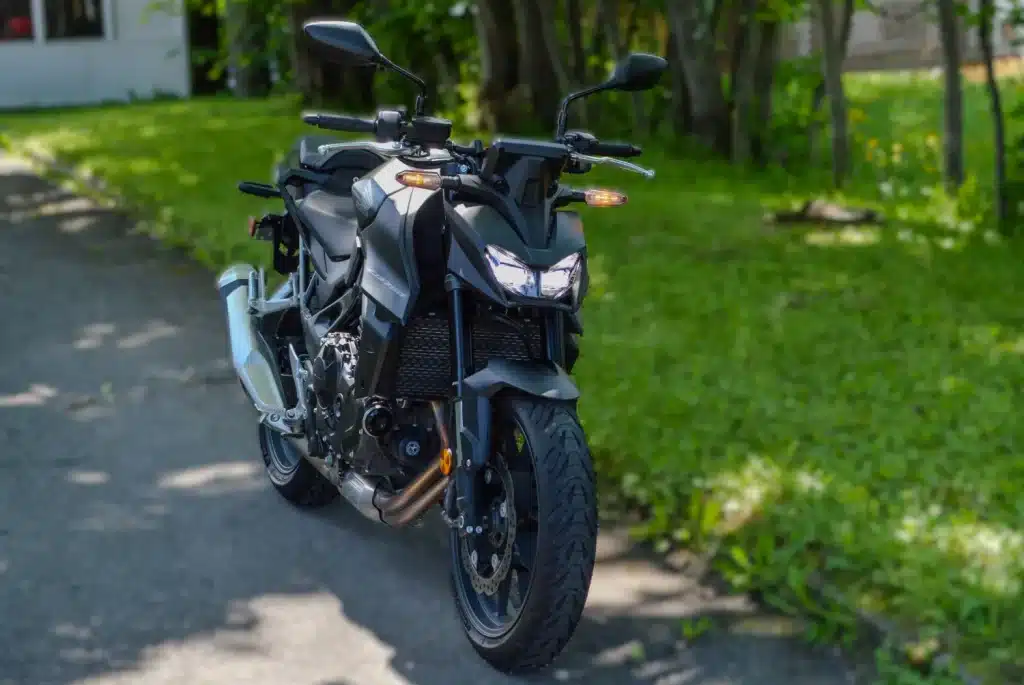
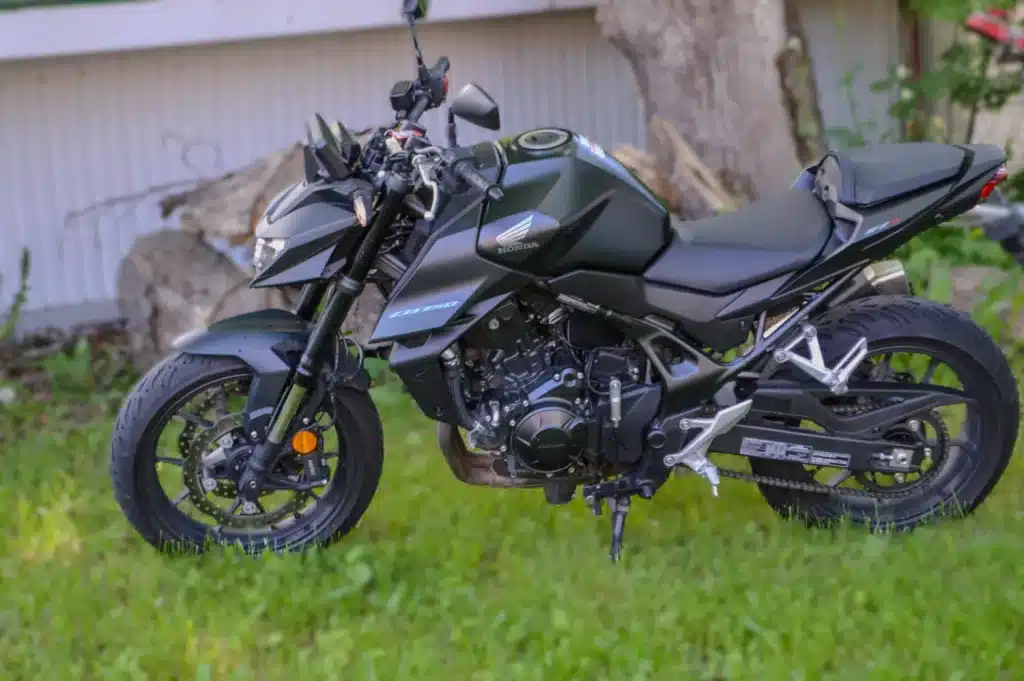
For riding on our roads, that power is more than enough to have fun. Acceleration is strong, passing is effortless, and roll-on response is particularly satisfying. Most importantly, the power is usable. That is probably the key word.
You can open the throttle, enjoy the engine and work on your riding without constantly feeling as though you are two millimetres away from a mistake that could cost more than the motorcycle itself. And that is a real quality.
A Motorcycle That Loves Corners
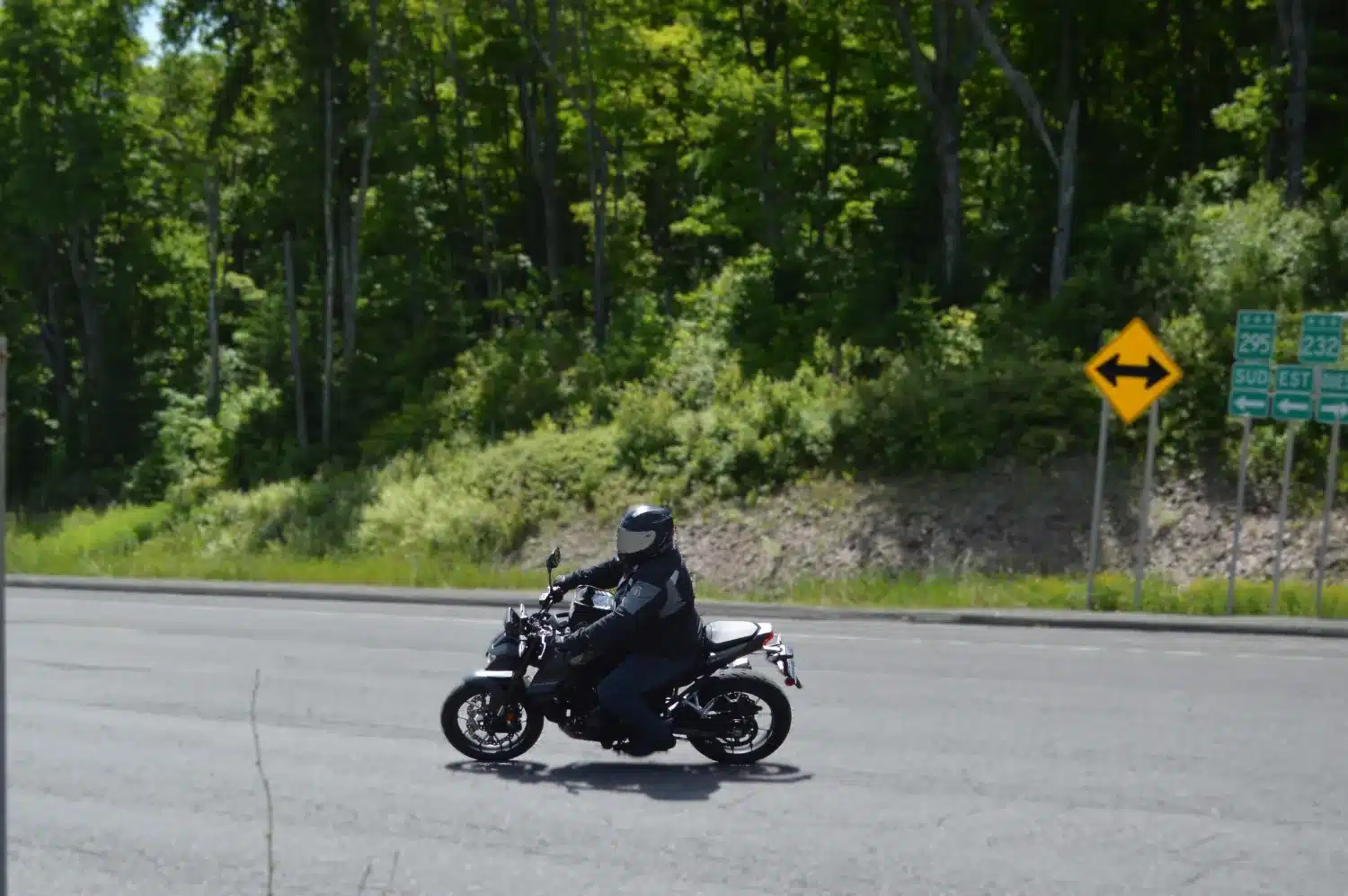
The CB750 is clearly in its element when the road starts to twist. Direction changes are quick and natural. The motorcycle responds well to rider input and lets you link corners together with impressive fluidity. The suspension offers an interesting compromise between comfort and sportiness. It is not a race bike disguised as a street motorcycle. And that is a good thing. Because in real life, our route looks more like this:
Home → gas station → coffee → great road → restaurant → another great road → home.
And very rarely:
Start → qualifying → 25-lap race → podium.
The CB750 is designed for the first option.
Braking: Effective and Reassuring
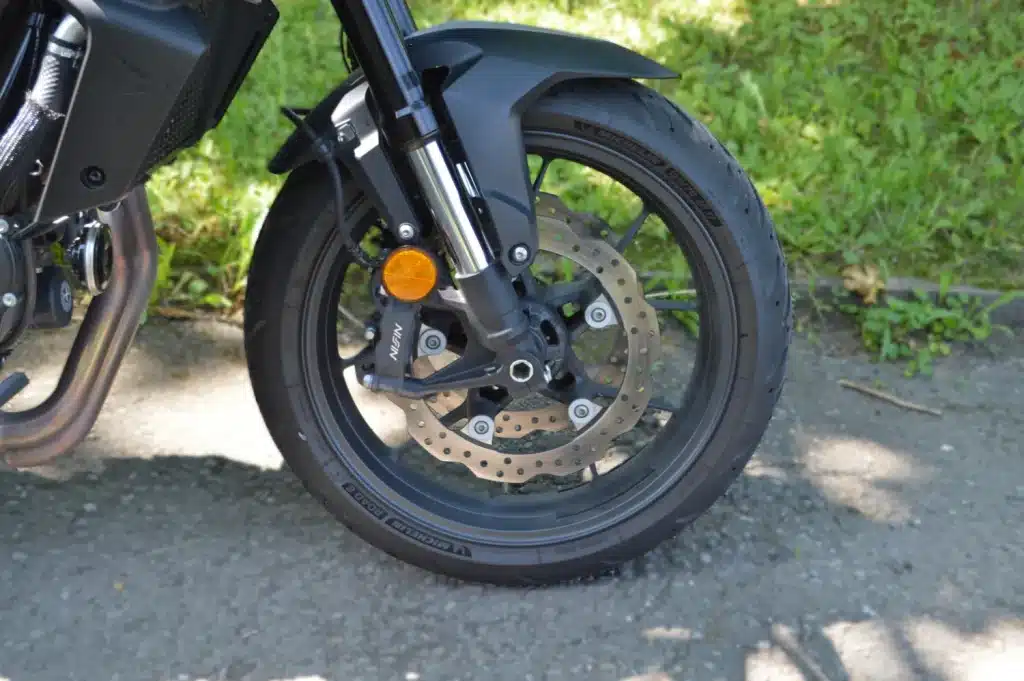
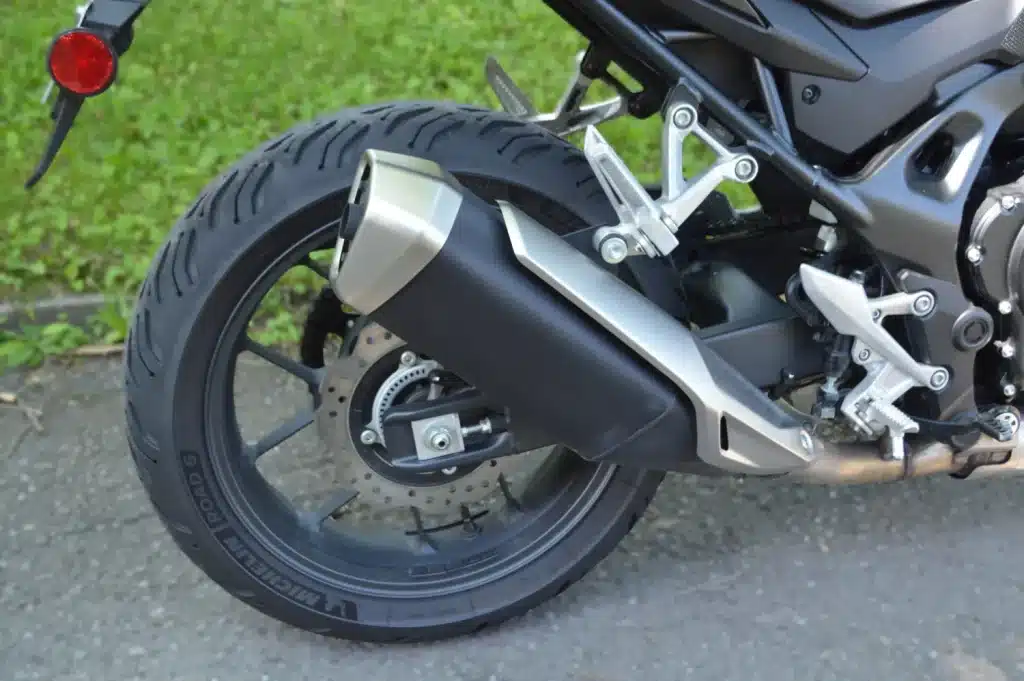
The braking system also lives up to expectations. Up front, Honda uses two 296 mm discs with four-piston radial-mount calipers, backed by ABS. There is plenty of stopping power, but more importantly, the brakes remain easy to modulate.
You can therefore slow progressively before a corner or, when the rider’s brain suddenly decides to take an unscheduled coffee break, use the brakes with considerably more authority. In both cases, the motorcycle remains predictable.
Technology That Is Well Integrated
The CB750 is not short on technology. Ride-by-wire throttle control allows for different engine-management strategies, while the electronics work in the background to provide an experience suited to the riding conditions.
But Honda avoids turning the motorcycle into a computer with two wheels. And that is appreciated. The goal remains to ride the motorcycle, not to spend more time configuring menus than watching the road. Because between you and me, if I need to consult 14 screens before I can turn left, I’m eventually going to buy a car.
Verdict: A Well-Balanced Motorcycle
The motorcycle is agile, relatively light, easy to ride and powerful enough to satisfy the majority of motorcyclists. Most importantly, it is fun. It may not be the motorcycle that makes the most noise at the next gathering. But when you leave the parking lot and the road starts to snake ahead, a smile quickly appears under your helmet. And in the end, that is probably the best indicator.
The 2026 CB750 is not trying to win a battle of numbers. It simply wants to make you want to ride. And after a few kilometres, you realize that a good 755 cc twin can do the job perfectly well. No need for four cylinders. No need for 150 horsepower. No need to become a professional rider either. A winding road, a beautiful day and an engine that is ready to respond are enough.
Pros
- A genuinely enjoyable parallel-twin engine
- Excellent handling
- Accessible without being boring
- Excellent build quality
Cons
- The mirrors could be better
- Non-adjustable front suspension
- Limited wind protection
In the end, the 2026 Honda CB750 is a motorcycle with very few truly significant flaws.
It may not be perfect. The mirrors could be improved, an adjustable fork would have been appreciated by sportier riders, and wind protection is obviously limited.
And if someone ever asks why you went out for another 300-kilometre ride when you were only supposed to pick up some milk…
Just tell them that the CB750 needed to get out!