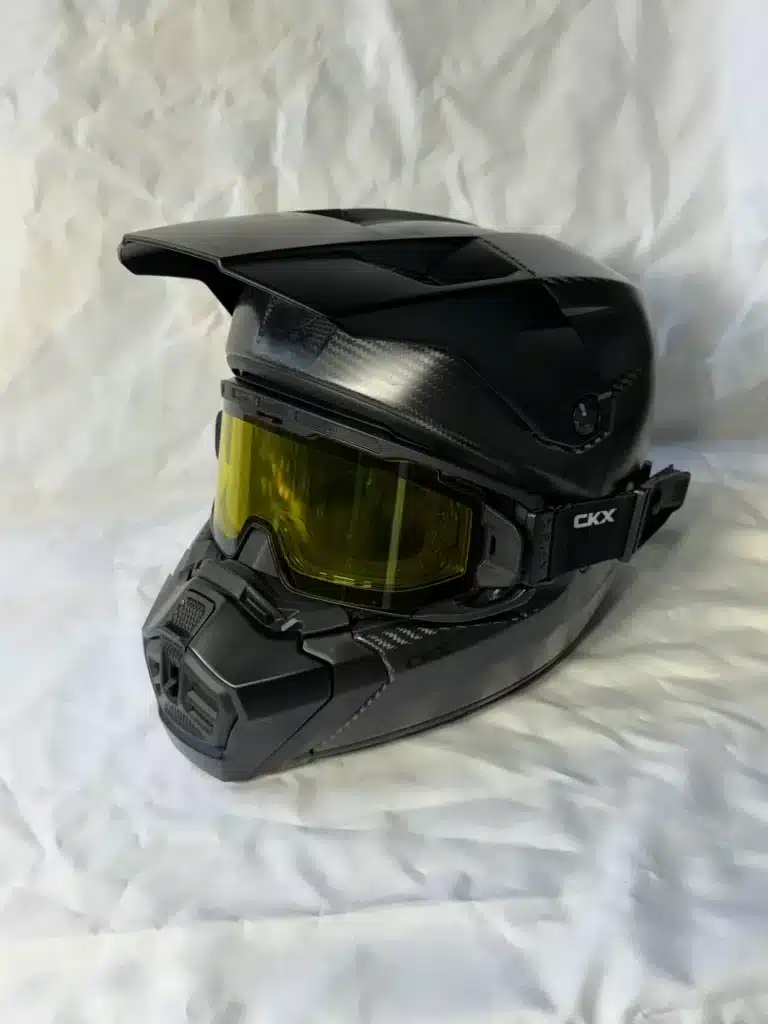
Trying products developed for the world of snowmobiling is always interesting, especially when they come from a Quebec manufacturer. This winter, we had the opportunity to test CKX’s new Titan AMS helmet. From the outset, the helmet is positioned as a crossover model for both off-trail and trail riding. When configured for off-trail use, it is naturally a little colder, but it also offers greater ventilation, helping dissipate the body heat generated during demanding runs through deep snow and in the mountains. It was the helmet’s trail-riding side, however, that really caught our attention.
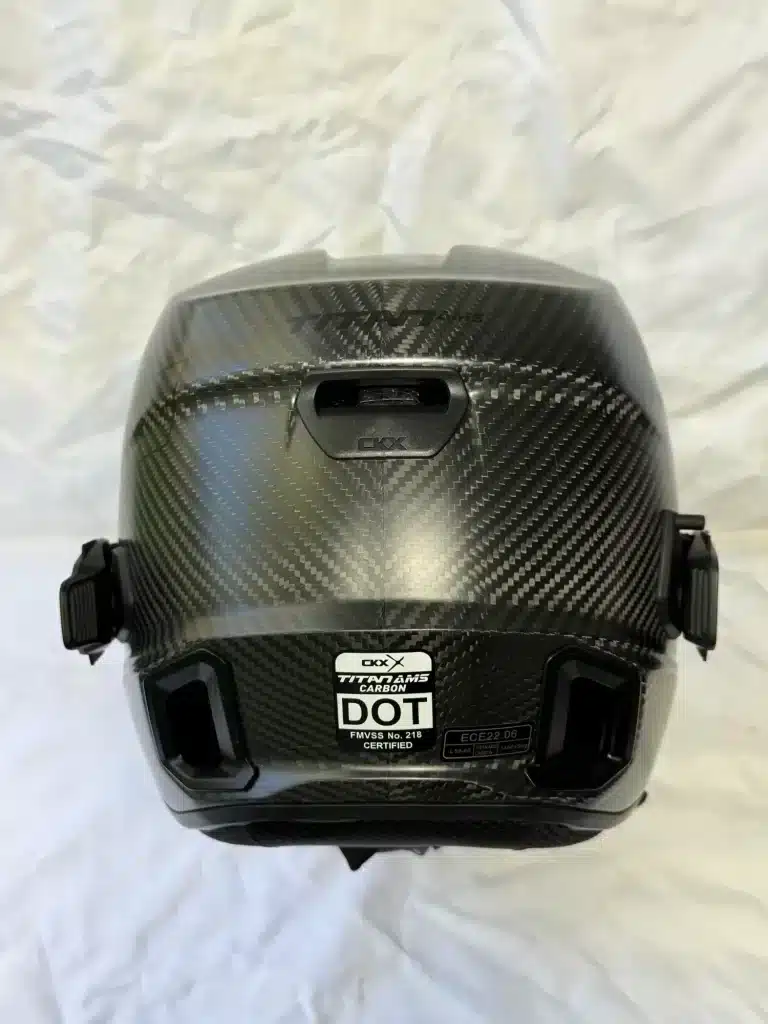
At first glance, you might think this is simply a full-fledged Titan fitted with the AMS ventilation system found in Mission helmets for the past few seasons. Think again: there is much more to it. This helmet has been completely reworked, making it a very different version of the Titan we have known to date, with a Mission-inspired internal ventilation system.
Off-Trail and Trail Riding
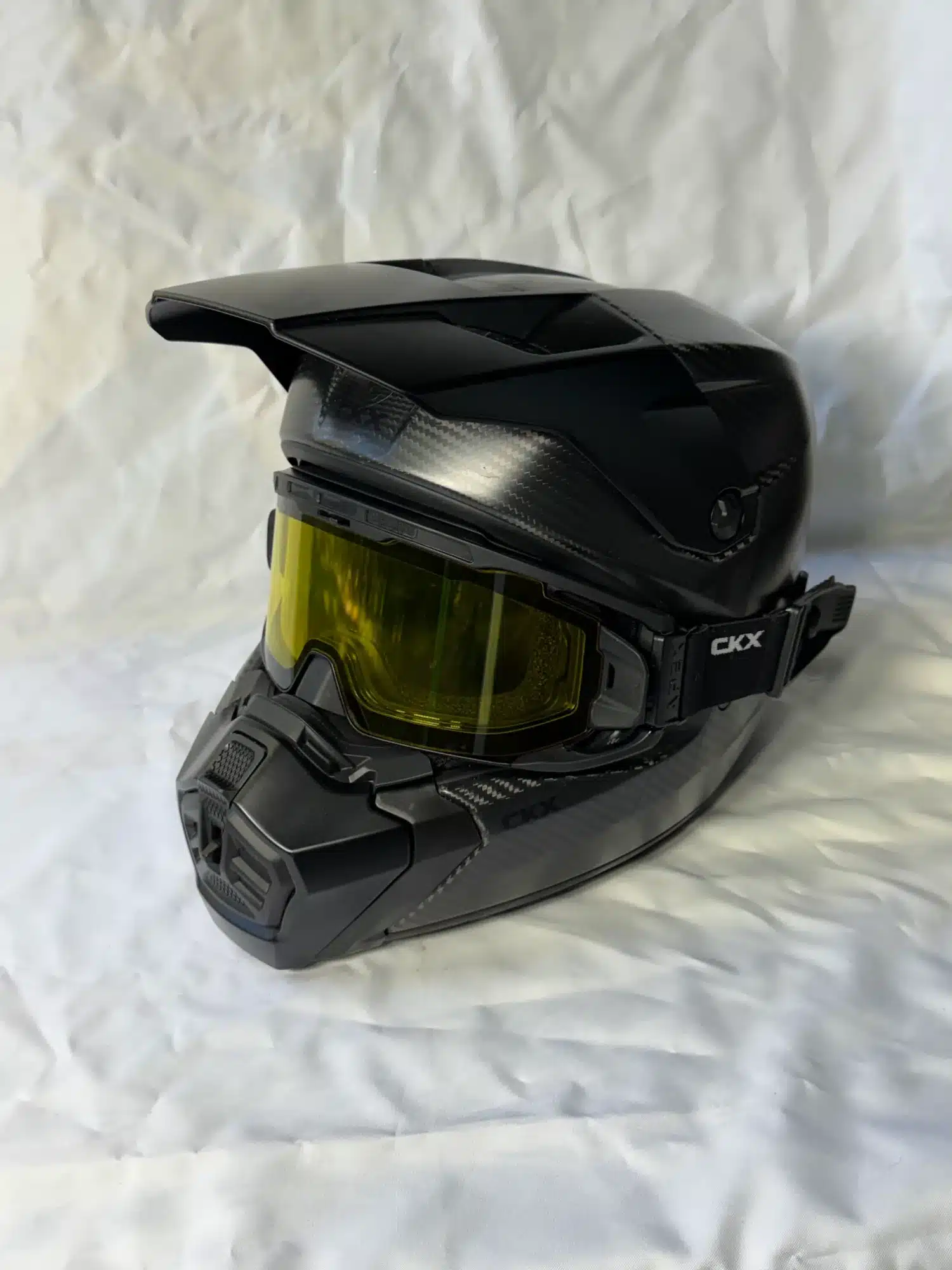
The helmet can be configured for trail use by adding the neoprene pieces that seal around the face, along with the neoprene insert at the muzzle to provide better insulation when the goggles are in place. This is where the first major change comes in: the muzzle can now be opened in two stages. With the goggles removed, the mechanism opens the entire muzzle, including the neoprene, just like on a standard Titan helmet.
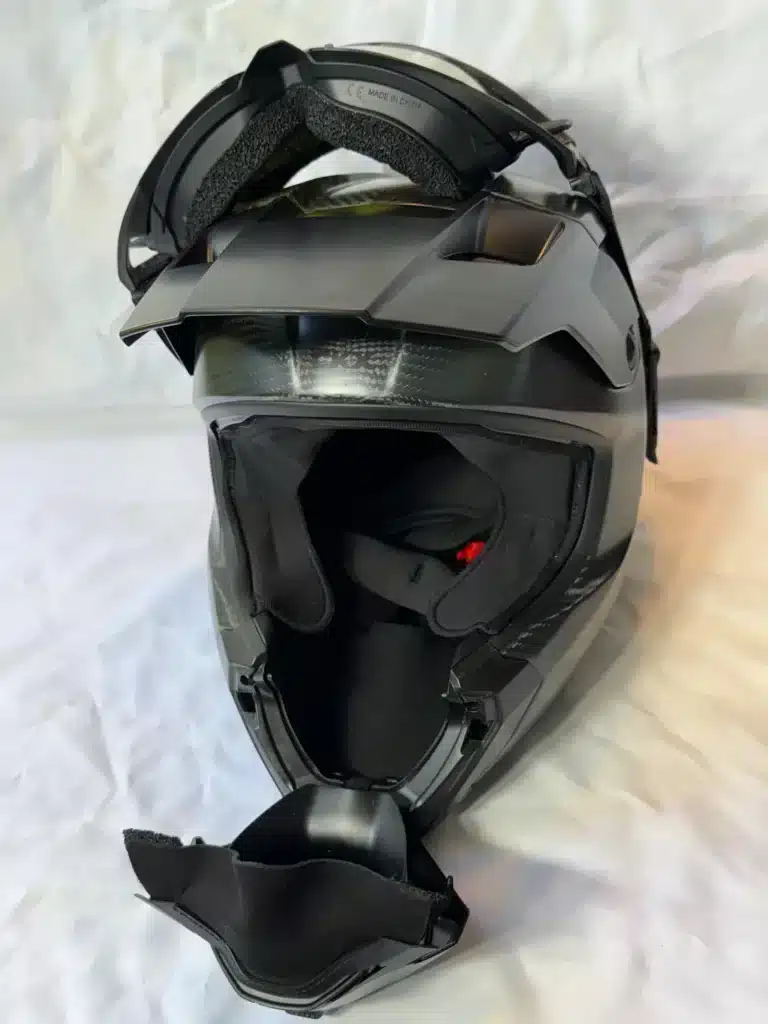
When the goggles are in place and the opening mechanism is activated, however, only the front section opens to fully expose the mouth; the frame containing the neoprene beneath the goggles remains in place.
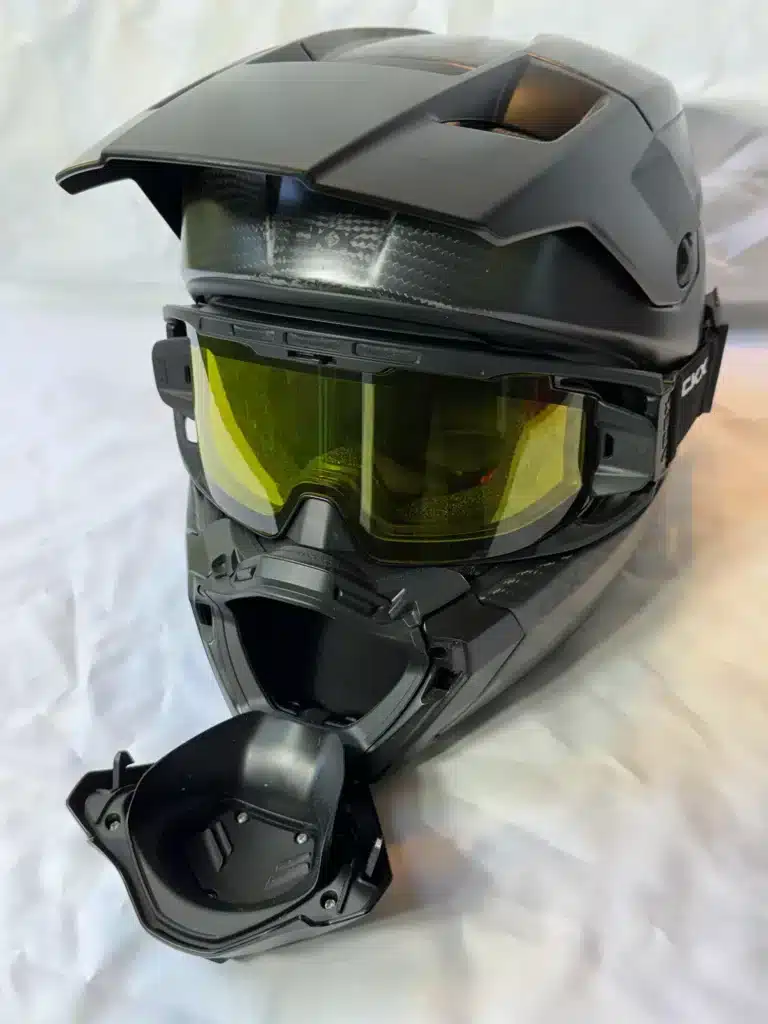
The system is well designed and works extremely well, whether or not the goggles are in place.
The helmet features a relatively aerodynamic peak that detaches very easily in the event of an impact. However, it offers little help when riding directly into the setting sun.
APEX Magnetic Goggles
The other major change is undoubtedly the Apex magnetic goggles. They are completely different from the 310 models used with Titan helmets.
First, the lens attaches magnetically to the goggle frame, making it very easy to remove. After a full season of use, we can confirm that the system works extremely well and that the lens stays securely in place. Not once did it come loose from the frame, whether on a regular trail ride or over rougher terrain. In short, the system proved reliable and effective.
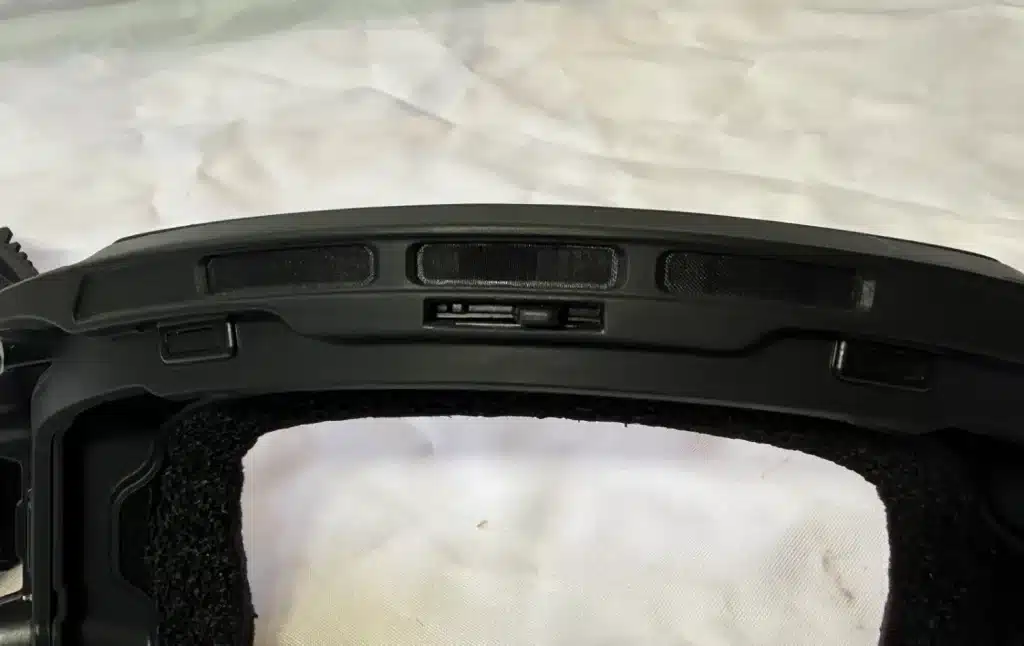
The goggle frame also features a ventilation system controlled by a button that opens three small air intakes along the top of the frame.
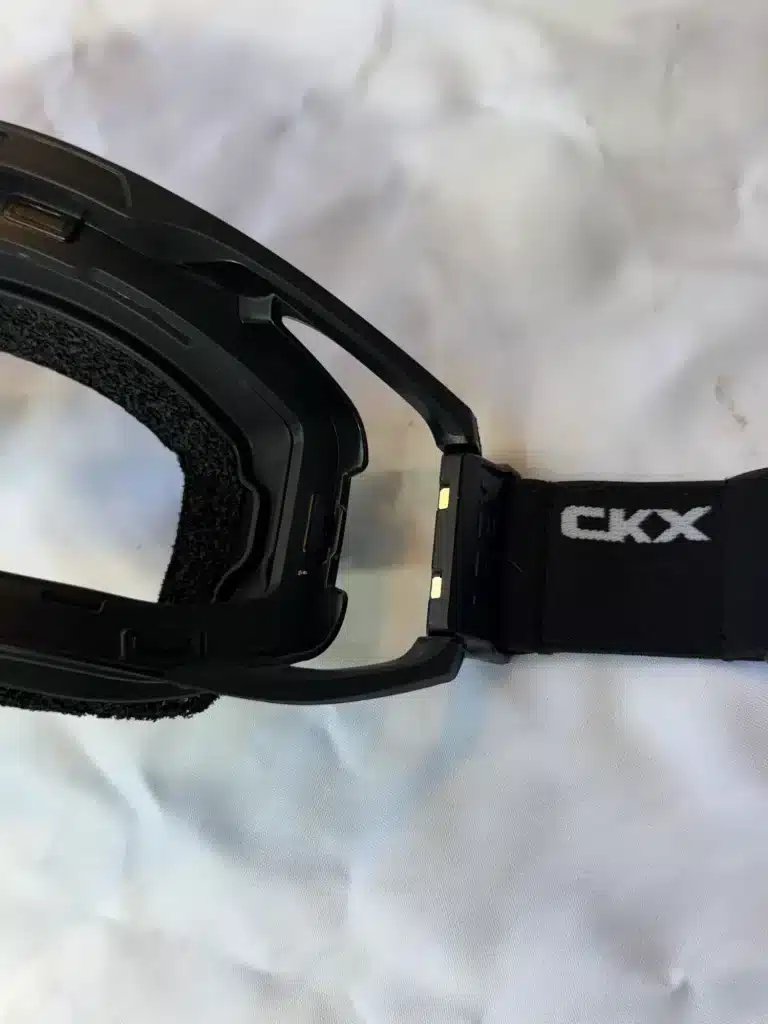
Although we did not test it, a heated version of the Apex goggles is also available. As with the heated goggles for the standard Titan helmet, the wired connection is located at the strap and enters through the side of the goggle frame. The frame-to-lens connection uses two small conductive spring-loaded pins built into the frame. These contacts touch the lens to power the system and activate the heating element.
Our Test…
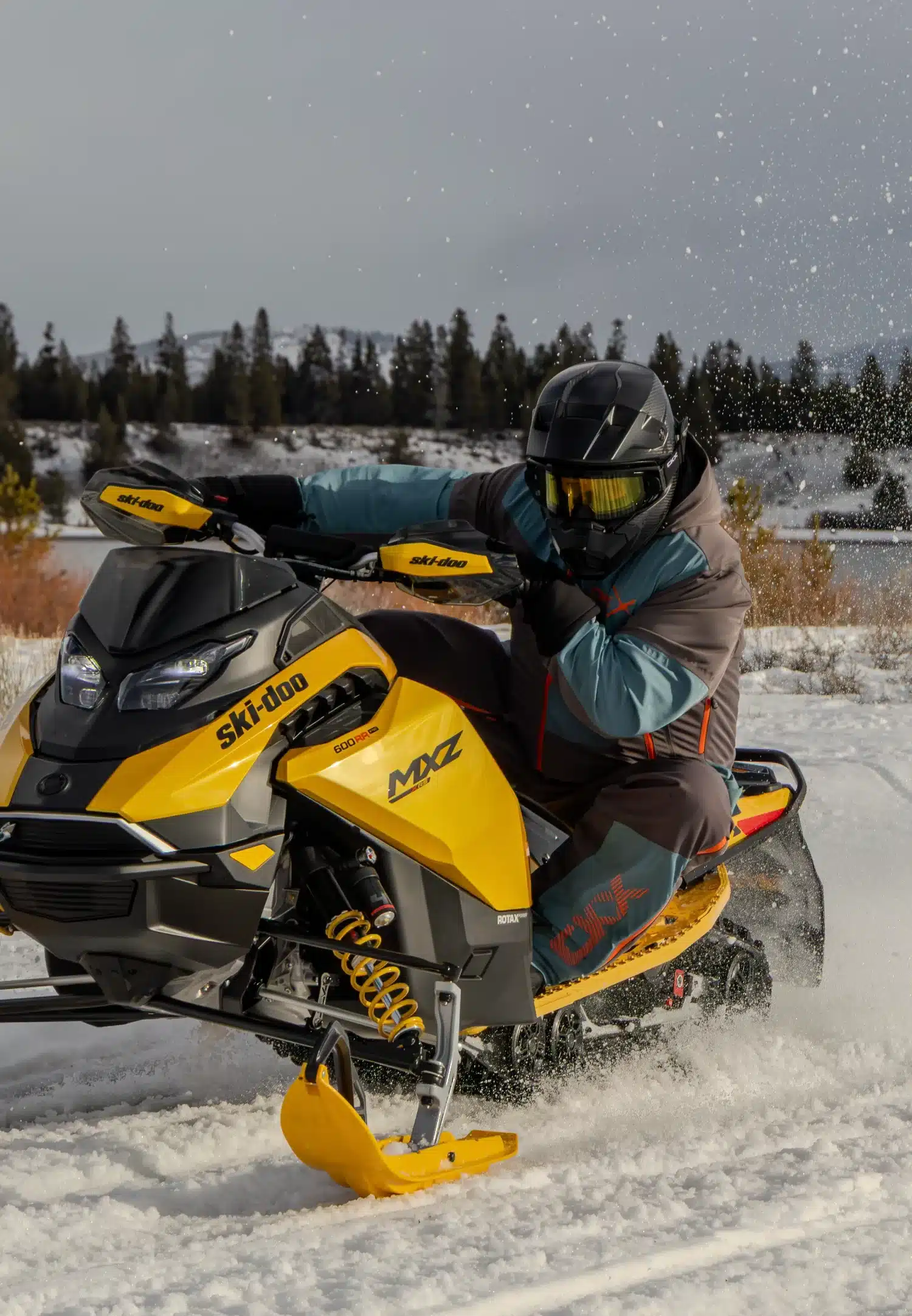
This helmet clearly represents the future of hybrid helmets. Its versatility gives it an edge over every other product currently on the market. The opening muzzle, which can be raised without removing the goggles, is simply brilliant. When stopped, the opening makes conversation much easier while also allowing moisture from your breath to escape. This design greatly reduces the risk of fogging. Another well-thought-out feature is the removable magnetic lens. Even with the reduced risk of condensation, if any moisture does form, simply remove the lens and dry it. It is simple and, above all, highly effective.
One detail could still be improved: the fit between the upper portion of the goggle frame and the helmet is not perfect, leaving a gap between the two.
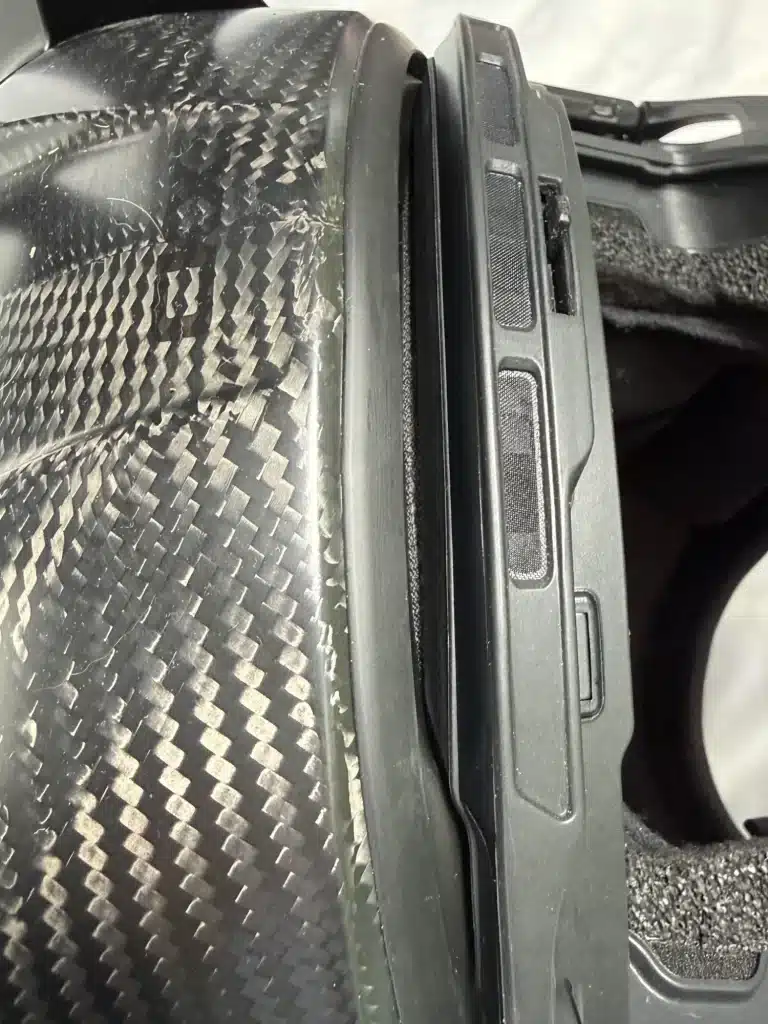
At higher speeds, this gap lets air flow directly onto the neoprene. After a few minutes, the cold becomes noticeable and uncomfortable. Wearing a balaclava that extends beneath the neoprene is therefore a major advantage in cold weather.

In the end, the Titan AMS differs far more from the traditional Titan than first appearances suggest. CKX has successfully combined several well-liked elements of trail helmets with a more off-trail-oriented design, while delivering particularly effective ventilation and modularity.