After nearly 3,000 km on pavement, gravel, sand and trails, the 2026 Kawasaki KLE 500 SE stood out for its versatility. It felt stable on gravel and easy to live with on the daily commute. I also noticed some high-rpm vibration and found the non-adjustable fork worth considering for rougher routes.
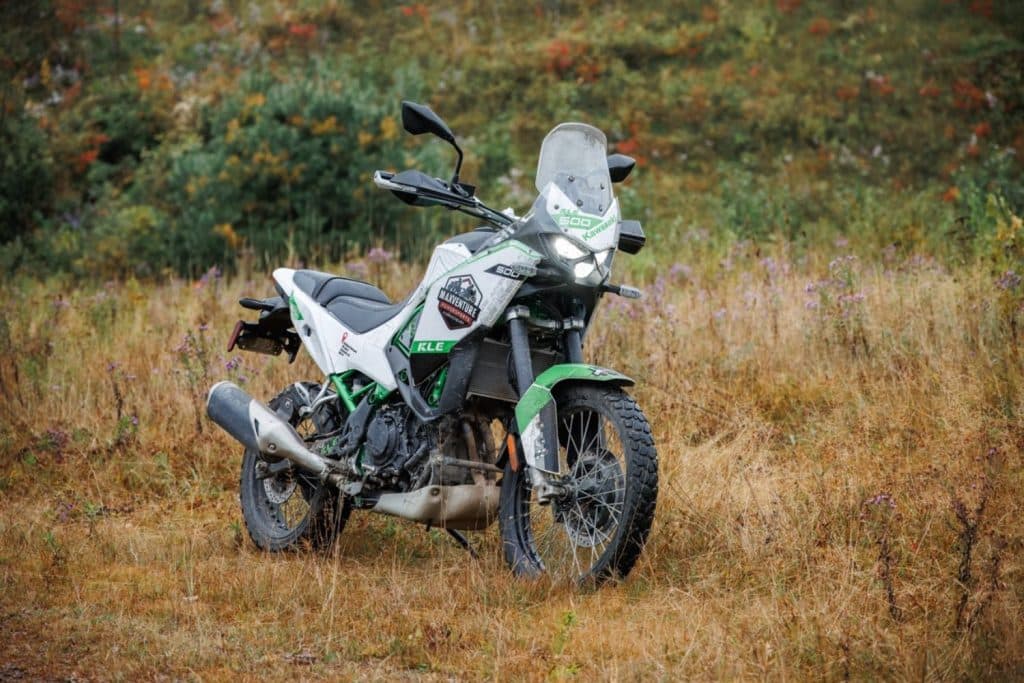
On pavement, gravel and trails
I commuted to work, spent long stretches on the highway and rode twisty pavement, gravel, sand and trails.
The KLE felt composed, predictable and reassuring wherever I took it. I found it easy to settle into a rhythm as the terrain changed.
It’s agreeable on pavement and comfortable enough to consider spending a long day in the saddle. On gravel, it feels planted and lets you keep a good pace with confidence.
The KLE stays composed when the route gets tougher, too.
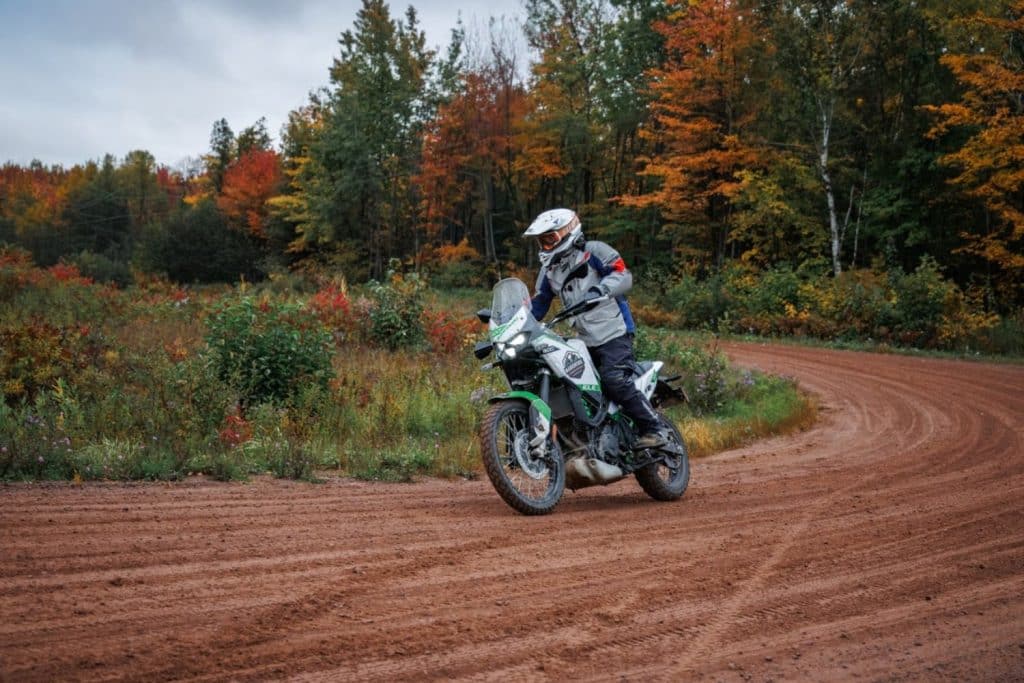
It’s an adventure bike, with the limits you’d expect when the terrain turns into an enduro course.
451 cc engine and gearbox
The Kawasaki KLE 500 uses a 451 cc parallel twin from the same engine family as the Ninja 500.
The engine is eager to rev. I found myself riding by feel as the power built, and keeping the twin between 7,000 and 8,000 rpm brought out its best. There’s some vibration high in the rev range. I could live with it, though it’s more noticeable than on the smoother CFMOTO IBEX 450.
The engine makes enough torque for sections that call for a delicate touch. Depending on the terrain, you may need to work the clutch a little more. It takes a bit of time to get a feel for it.
The gearbox shifts precisely and the clutch action is exceptionally smooth.
Seated and standing riding positions
The ergonomics feel natural whether you’re sitting or standing, and it’s easy to get comfortable with the controls.
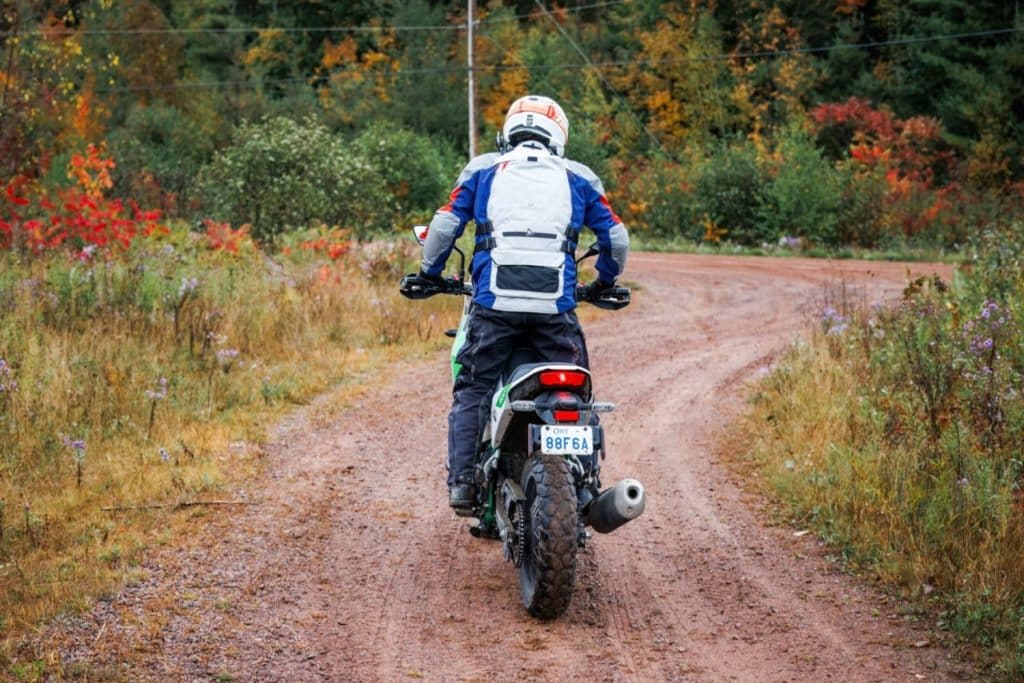
Good ergonomics help you control the bike, shift your weight and react when the terrain changes.
Where the KLE reaches its limits off-road
The fork offers no adjustment. It worked well for the riding I did, though riders who regularly tackle rougher terrain might consider upgrading the front suspension.
The position of the exhaust muffler is also worth a look if you regularly take on tougher routes.
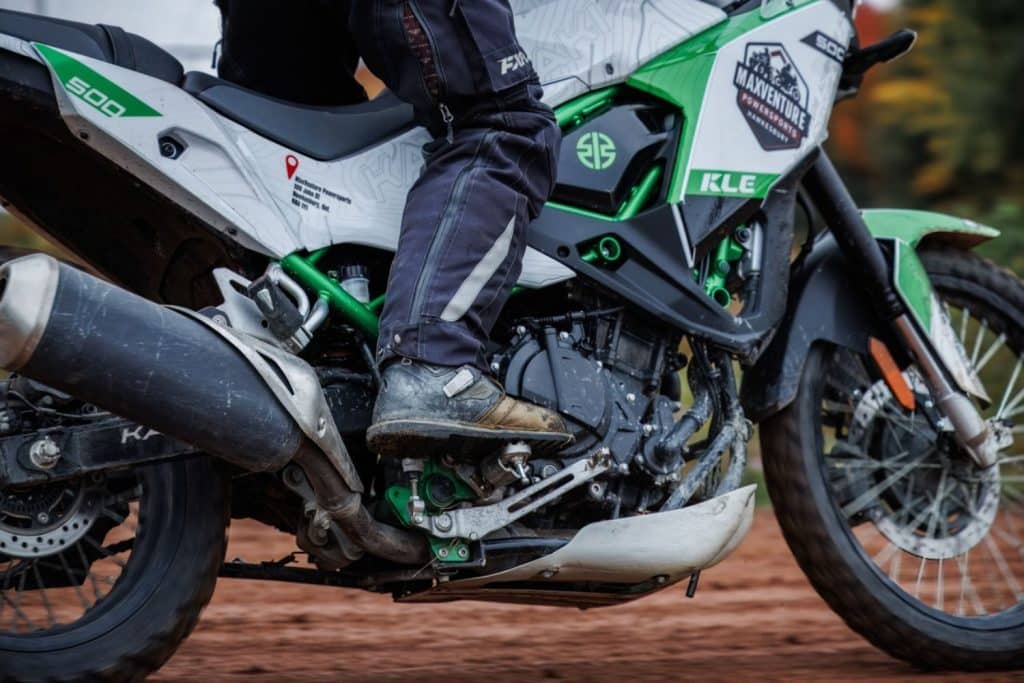
The 17-inch rear wheel drew its share of comments. Wheel diameter alone tells you little about how a bike will handle off-road. BMW’s F 900 GS, one of the more dirt-oriented middleweights, also pairs a 21-inch front wheel with a 17-inch rear.
Some riders will happily leave it as it comes. Others may want to make a few changes to suit their riding. Given the KLE’s price and familiar engine, I can see the appeal of setting one up to keep for several years.
Verdict after nearly 3,000 km
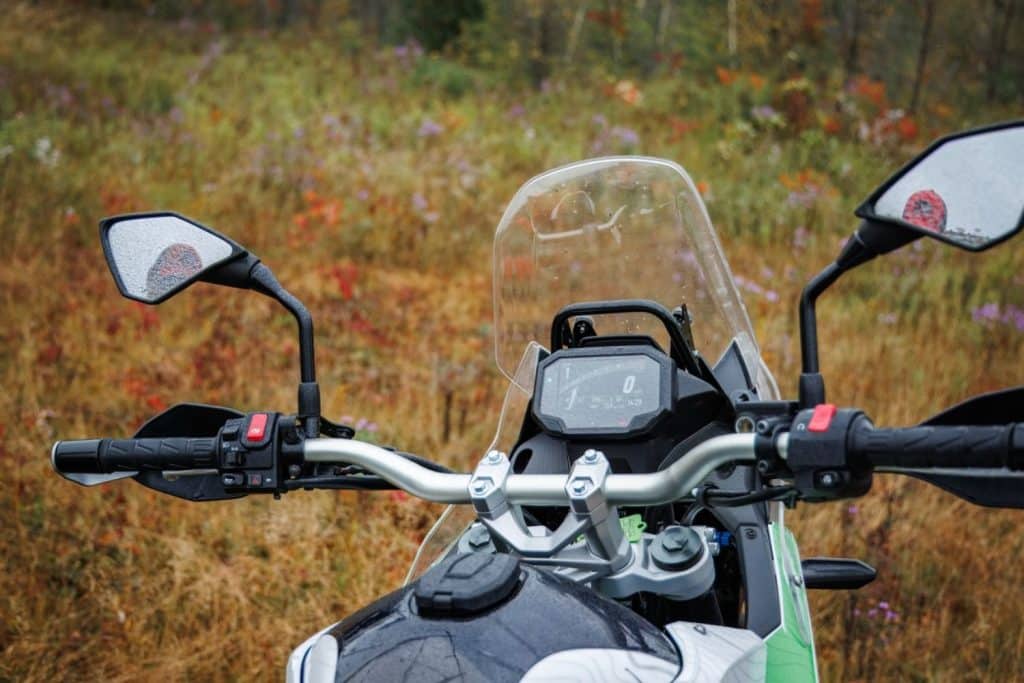
If you want to get into adventure riding while keeping a bike you can commute on, take on long paved rides or explore backroads with, the KLE 500 SE makes a strong case for itself.
After about 3,000 kilometres, I found I liked the Kawasaki KLE 500 SE more with every ride.
Frequently asked questions
What engine does the 2026 Kawasaki KLE 500 SE use?
It uses a 451 cc parallel twin from the same engine family as the Ninja 500.
Is the Kawasaki KLE 500 SE good on gravel?
Yes. It felt stable and predictable on gravel roads during the test, which also included sand and trails.
Is the front fork adjustable?
The fork offers no adjustment. It worked well on the test route, though that’s worth considering if you frequently ride rougher terrain.