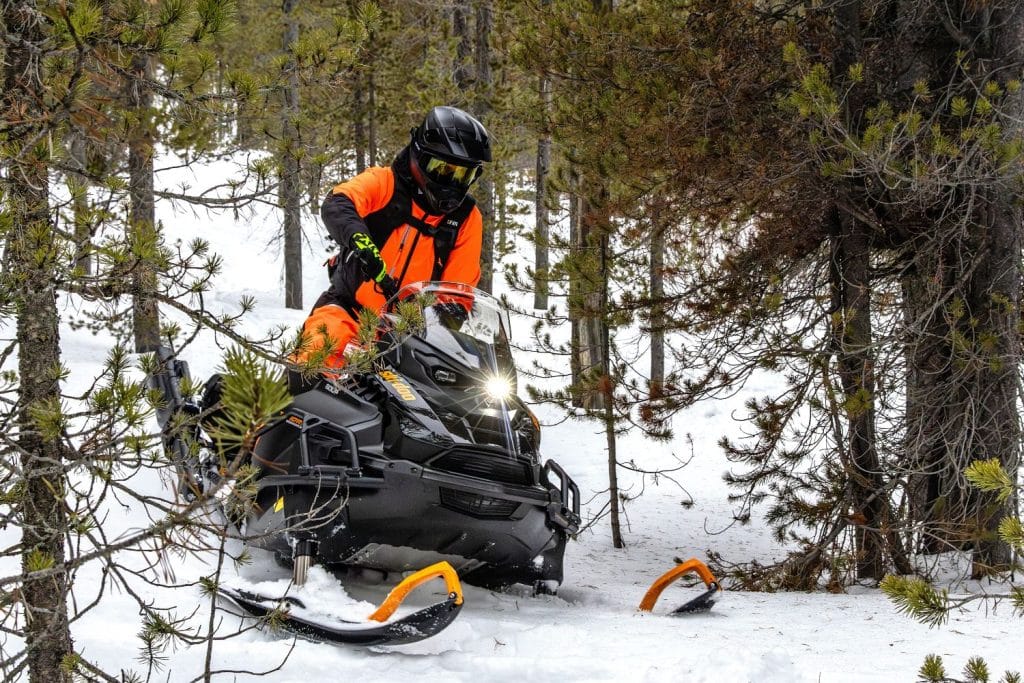
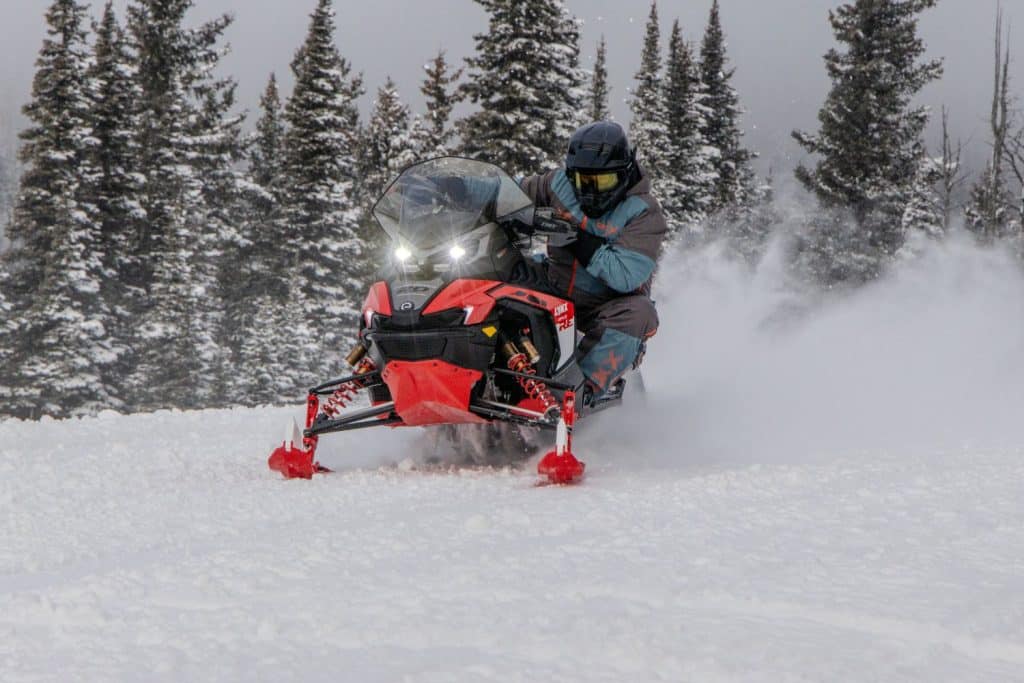
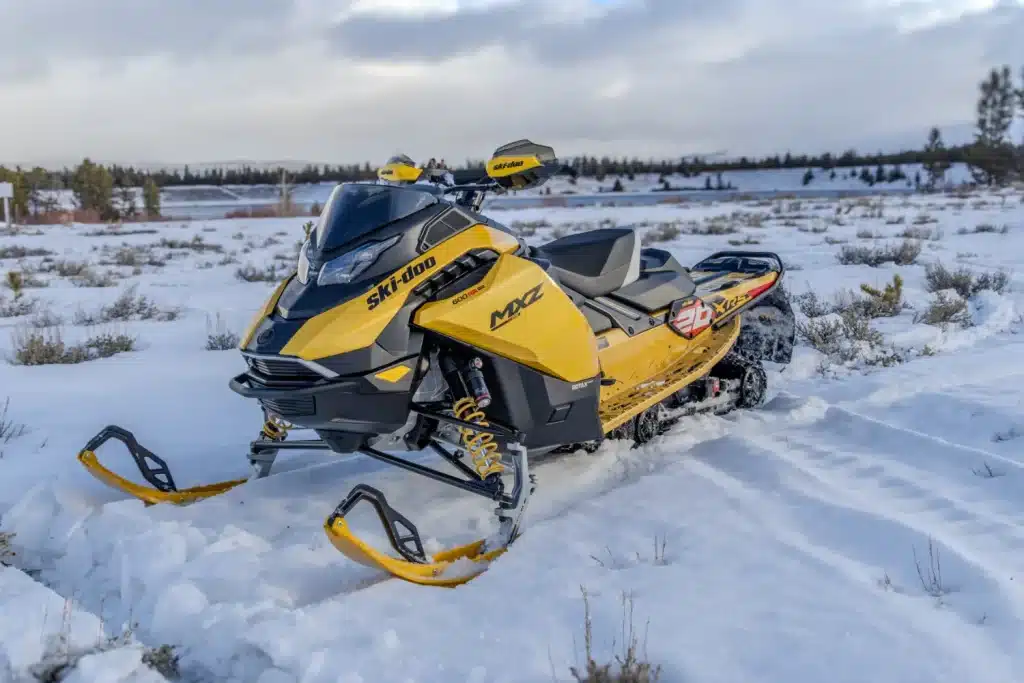
Snowmobiles were invented in the mid-20th century, and over the years, they have become commonplace in cold regions, particularly in North America.
In its early days, snowmobiling was designed as a utility tool to facilitate travel in snowy and hard-to-reach areas. However, as the activity grew in popularity, it became a leisure activity and a sport in its own right. Snowmobiling became associated with ruggedness and masculinity, reinforcing the idea that it was primarily a male activity.
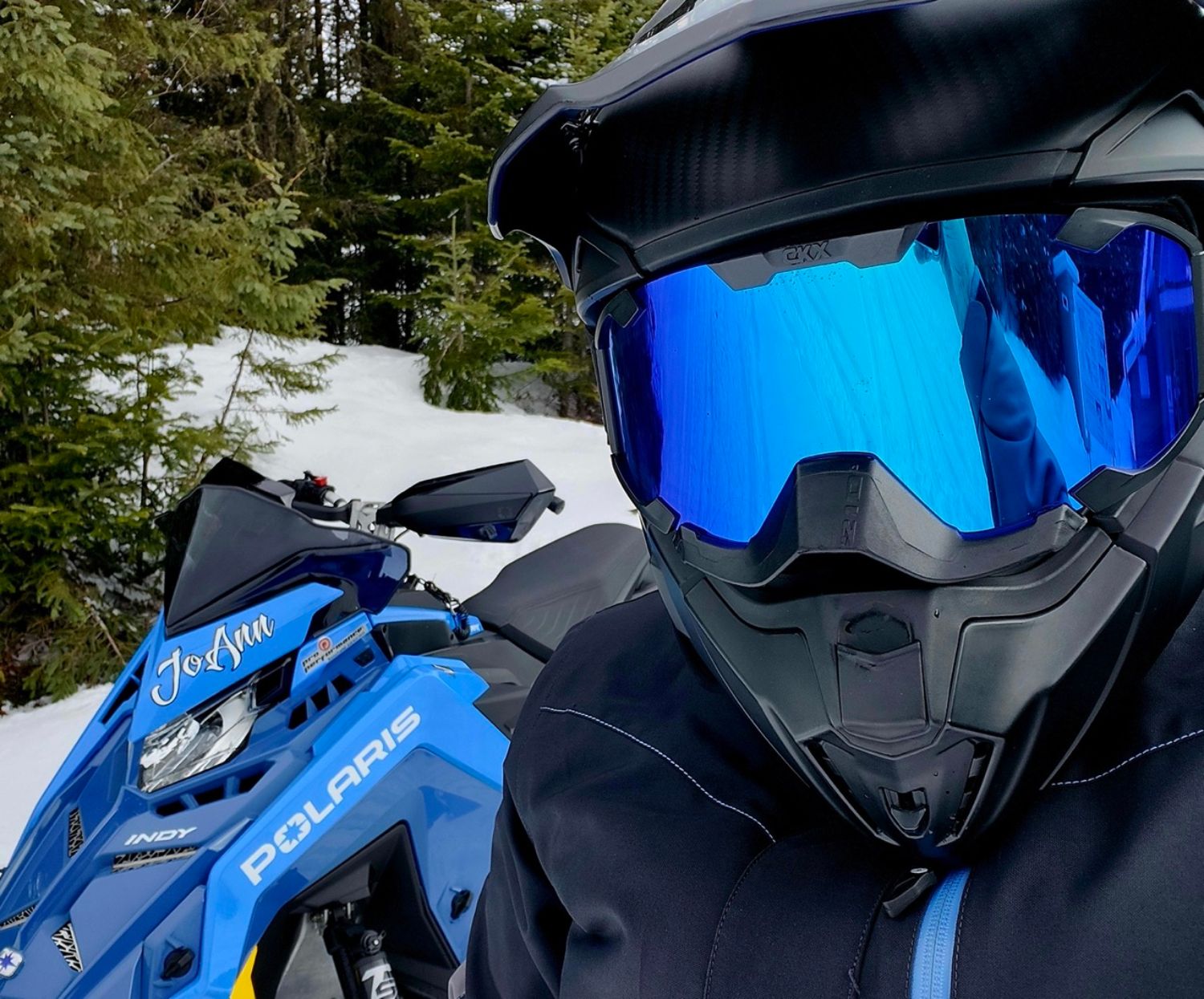
This view persisted for many years. Women, apart from a few pioneers, were largely absent from this environment. However, women have been snowmobiling since the early years of its development. Dorothy Mercer is identified as one of the pioneers, being the first woman to race for a commercial snowmobile team in 1972. The world of women’s snowmobiling has evolved, marked by figures such as Sabrina Blanchette (podium at the Grand Prix de Valcourt) and Ella Snäll (first female backflip), transforming a long-male-dominated practice into an accessible sport.
An evolving practice
Trail snowmobiling, an iconic Canadian winter activity, has long been perceived as a sport reserved for men. In recent years, women have been making their mark. Whereas they used to be passengers in the back, more and more women are now taking the wheel, discovering, practicing, and developing a passion for snowmobiling. What explains this evolution and how are women integrating into a world that was once largely male-dominated? This dynamic is worth exploring, as it illustrates not only an evolution in the practice of a motorized sport, but also in the representation of women in the field of outdoor activities. Historically, snowmobiling has often been associated with extreme practices and a culture of performance. However, over the years, this image has evolved. The number of women taking the wheel of their own snowmobile or venturing out on the trails in groups has steadily increased.
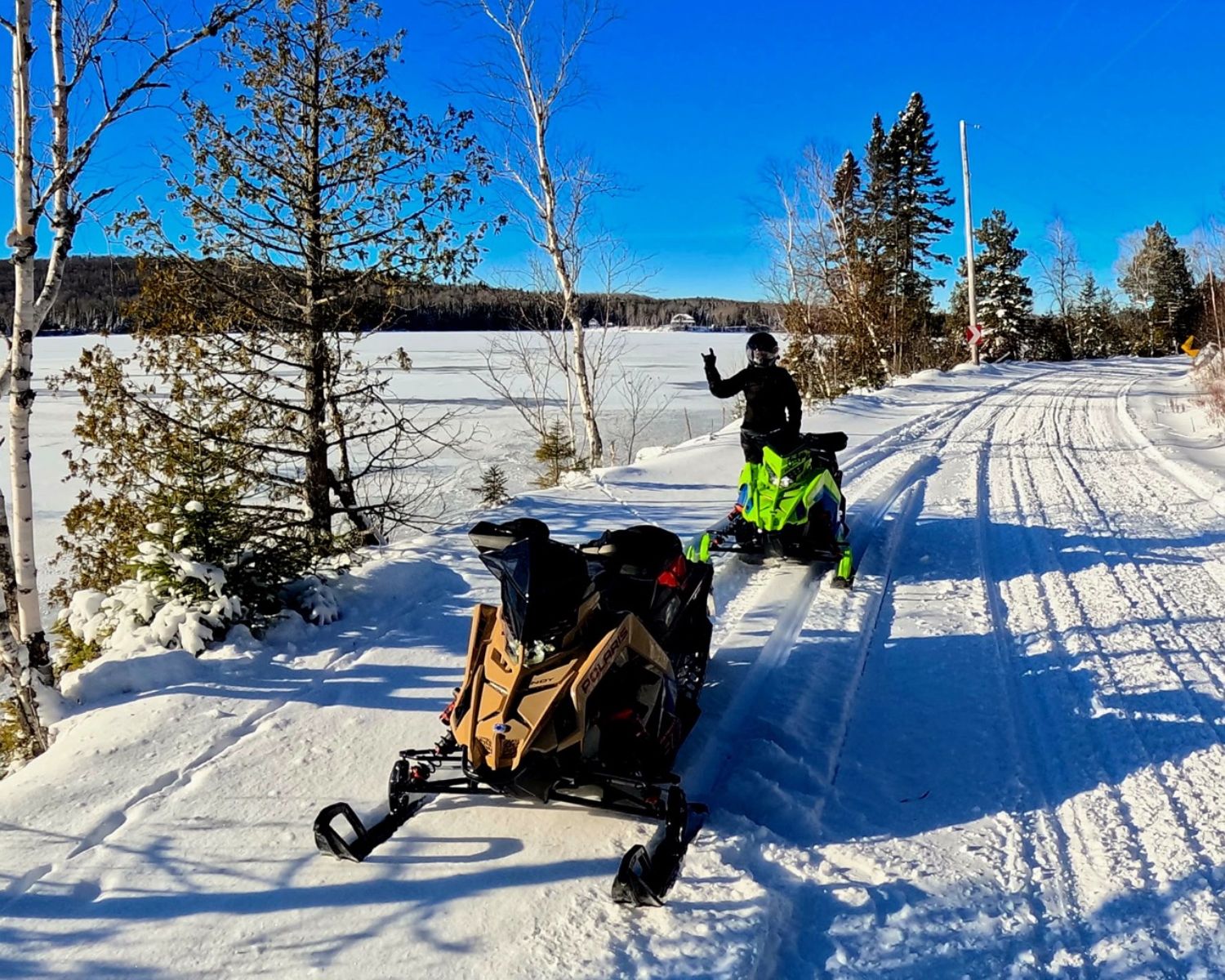
Trail snowmobiling allows women to assert themselves in an environment where they are increasingly numerous and proves that their place on the trails is well deserved. Whether they are beginners or seasoned riders, women bring a unique approach to the sport, often characterized by great caution and a focus on enjoyment above all else.
An activity accessible to all
One of the main reasons for its popularity among women is the accessibility of trail snowmobiling. Compared to other motorized sports, snowmobiling is relatively easy to access; we all know someone who does it. In addition, well-maintained trails and safe routes allow beginners to get started without apprehension, while ensuring a pleasant and rewarding experience. There are many other reasons for taking up this sport. For some, it is a way to reconnect with nature and discover snow-covered landscapes from a different perspective. For others, it is a means of pushing themselves, sharing enjoyable moments with family or friends, or enjoying an exciting outdoor experience.
Improvements that help with the sport
Some manufacturers have snowmobiles that are better suited to women’s expectations and physical abilities, developing lighter, more maneuverable, and ergonomic models such as the 600 or 650. These snowmobiles feature improved suspension and powerful yet accessible engines, making them easier for beginners to handle.
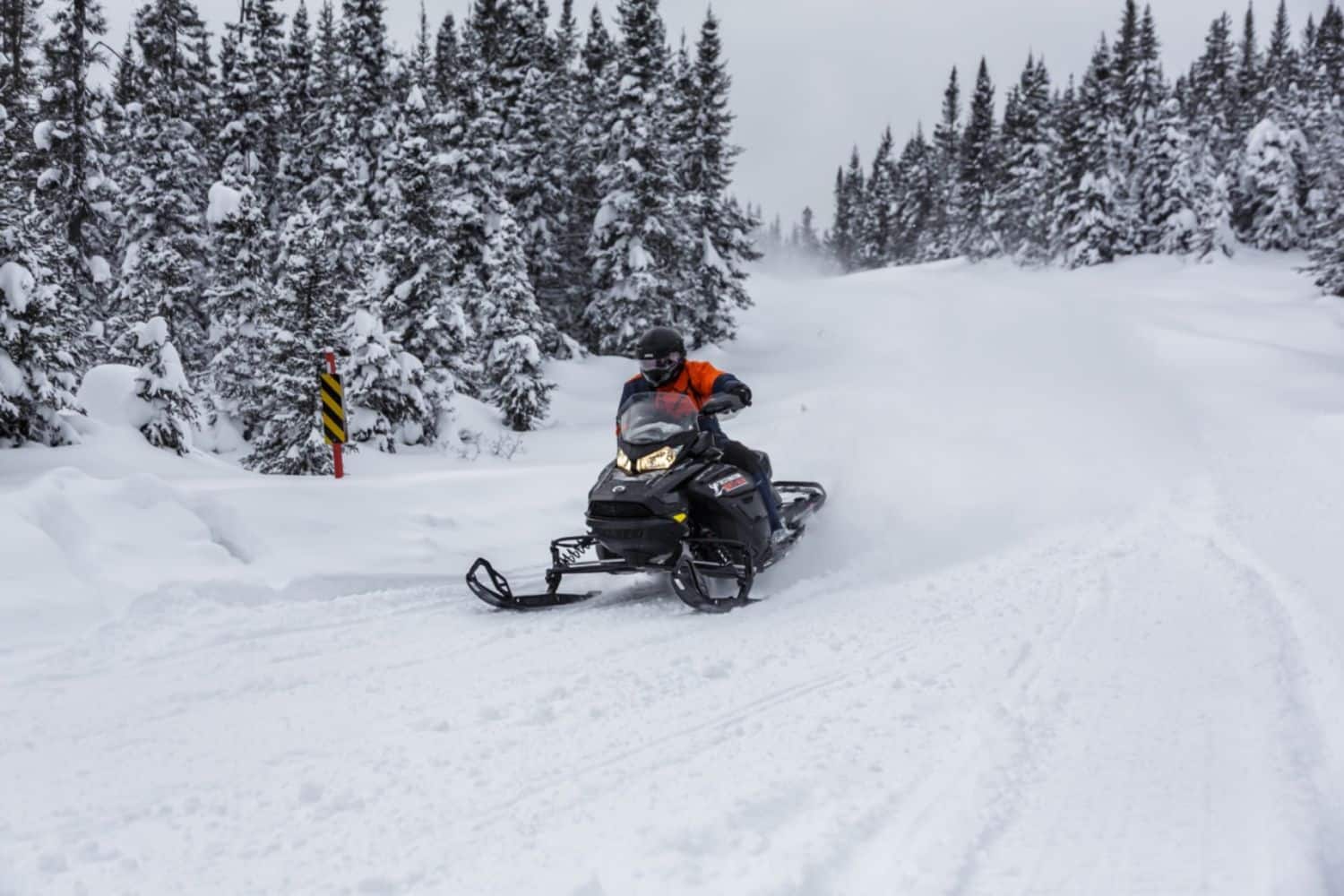
These technical improvements allow women to feel in control and safe when driving. Weight reduction The reduced weight of the machines and the centralization of mass make it easier to maneuver on varied terrain, which makes a noticeable difference. In addition, today’s equipment incorporates safety systems. Such as geolocation devices, allowing female riders to embark on expeditions with confidence, even in conditions considered more difficult.
Manufacturers have also redesigned suspensions to make them more comfortable and suitable for varied terrain. These technical adjustments allow female snowmobilers to better manage shocks and improve stability on sometimes difficult trails. For example, smoother engines and power distribution have made for a more fluid ride, reducing excessive strain on the arms and wrists.
In addition, today’s snowmobiles take riding position into account, with adjustable handlebars that allow each rider to easily adapt to their size and preferences. This contributes to comfort and better control of the machine, particularly during long rides or in more difficult conditions.
Clothing nowwell adapted
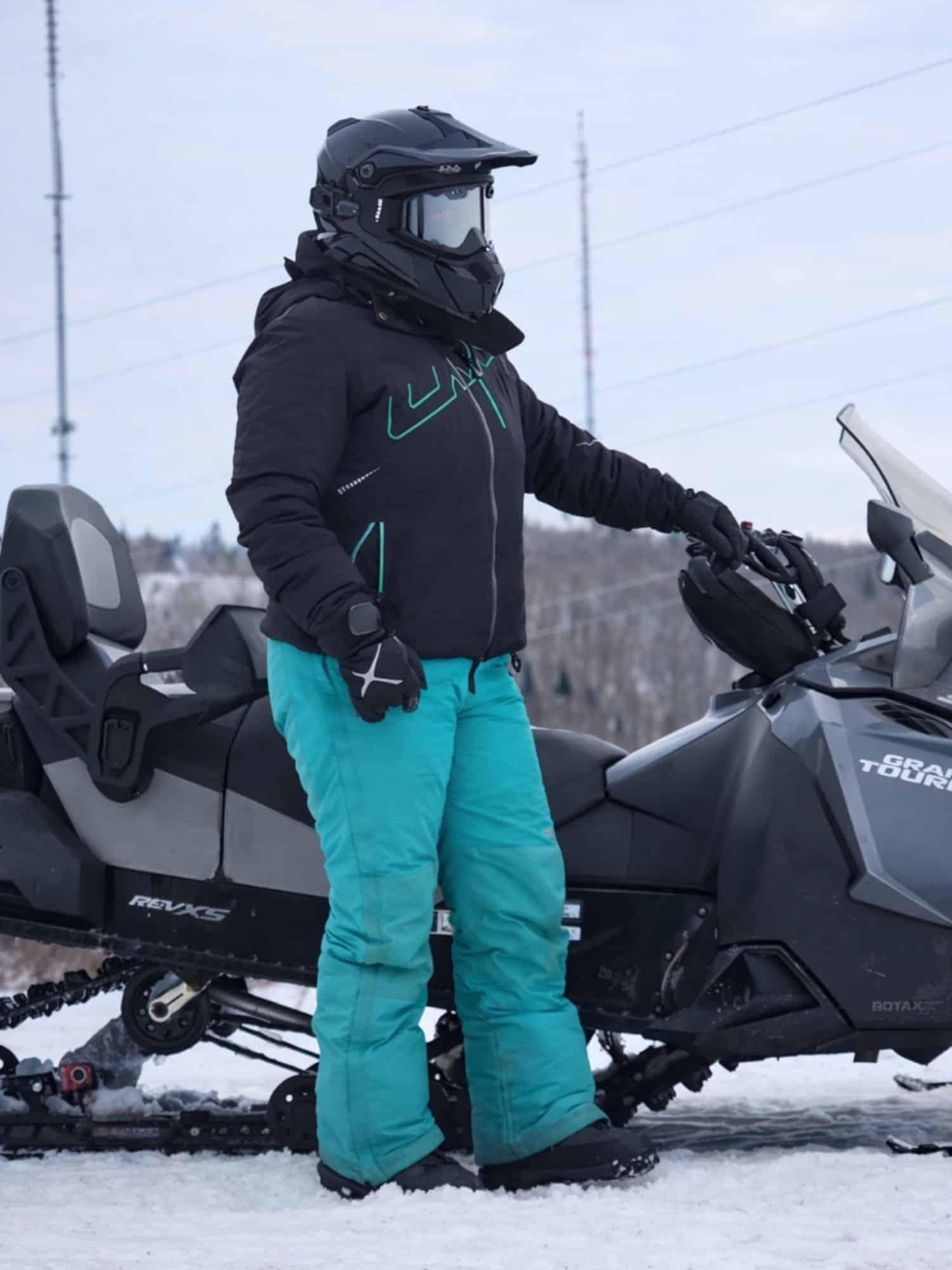
It should be remembered that clothing designed for women is already available from various manufacturers, offering a better fit and greater ease of movement. In addition, this equipment is also designed to offer better thermal insulation and weather resistance. Technologies such as heated jackets, thermal underwear, heated gloves, and helmets with heated visors help make riding more enjoyable, even in extreme temperatures. Choosing the right equipment not only ensures safety, but also comfort and enjoyment while riding. Whether for leisurely outings or more extreme adventures, choosing the right equipment ensures safety, comfort, and enjoyment while riding, allowing you to fully enjoy the experience.
Conclusion: This activity is truly accessible to everyone!
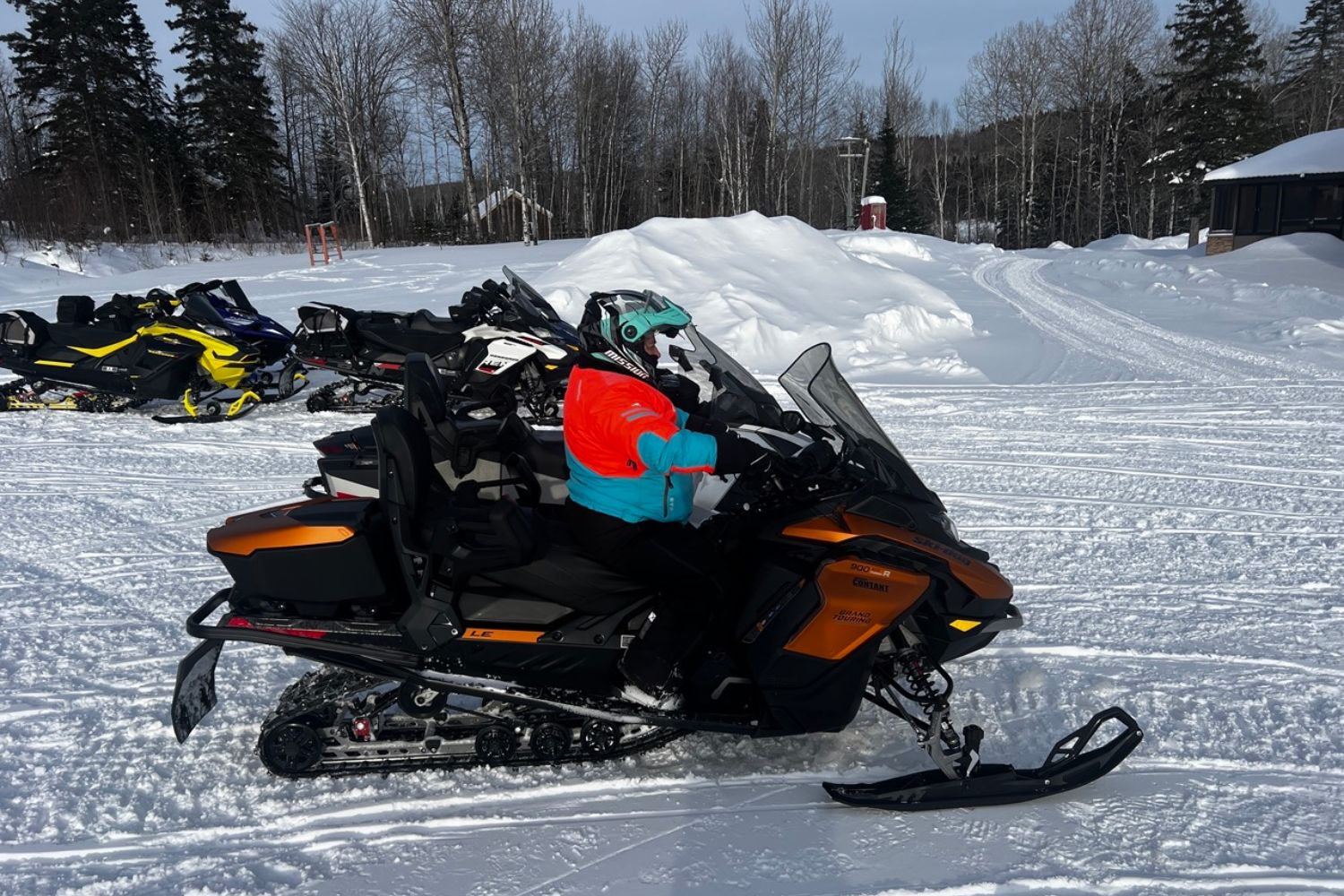
Trail snowmobiling is now a sport and a passion open to everyone, from young to old, men to women, with more and more enthusiasts hitting the trails. More and more women are taking to the snowy trails, whether as a recreational activity, an adventure sport, or a way to reconnect with nature. The growing acceptance of snowmobiling as an inclusive sport is paving the way for many more generations of women who will find this activity an exciting and rewarding way to experience winter, but also enjoy the camaraderie that this sport offers.